


Bacoli sits quietly on the Campi Flegrei peninsula, often treated as a half-day add‑on to Naples for its lakes and archaeological treasures. Yet once you look beyond the famous ruins and mirror‑still waters, you find a lived‑in coastal town with beach life, seafood traditions, small wine estates, relaxed waterfront promenades, and a calendar of local festivals that give a very different feel from nearby big‑name destinations. This guide focuses on what to do in Bacoli when you are not standing in front of a mosaic or staring across a crater lake.
Get the latest updates straight to your inbox!
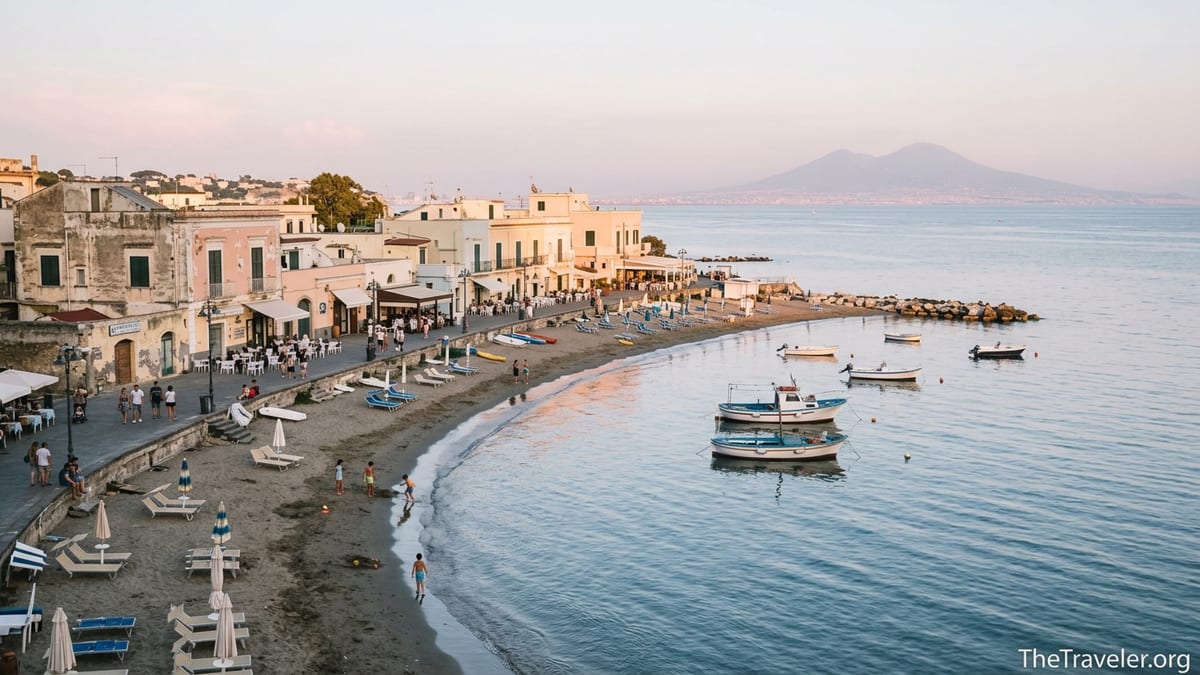
Stroll the Seafront Promenades at Miseno and Baia
The easiest way to understand Bacoli beyond its monuments is to walk its waterfront. In Miseno, the long curve of the bay is lined with lidos and small bars that open onto the sand. In summer, you can arrive in late afternoon, pay a modest fee at one of the stabilimenti for a sun lounger and shower access, then stay on for an aperitivo as the sun sinks behind Procida. Beach clubs typically charge per person for a lettino and umbrella in high season, with slightly lower prices if you are content with a simple chair near the bar.
Baia, a few minutes away by car or local bus, feels more like a small marina. Fishing boats, dive operators and sleek private yachts share the harbour, and there is a short lungomare where locals take their evening passeggiata. Around aperitivo time, you can sit at a bar table overlooking the moored boats with a spritz and a bowl of crisps, watching families do the same thing they have done for generations. It is a very different atmosphere from the hyper‑touristed promenades of the Amalfi Coast, and prices for drinks and snacks are generally more modest.
For a fuller taste of everyday life, aim to be on the waterfront around sunset on a Friday or Saturday from late spring through early autumn. Children ride scooters in front of the bar tables, small groups share paper cones of fried seafood, and the pace slows down. Even in shoulder season, the promenades remain pleasant, with cooler air and clearer views across the Bay of Naples.
Enjoy Local Beach Life Without Leaving the Mainland
Bacoli’s coastline offers a string of beaches that, while busy in August, can feel surprisingly relaxed in June, early July and September. Miseno and Miliscola are the best known: flat, sandy stretches with shallow water that make them suitable for families. Access works much like elsewhere in coastal Campania, with a mix of lidos renting equipment and small public sections where you can simply spread a towel; the paid sections usually include changing cabins, toilets, and lifeguards.
For visitors without a car, the beaches are reachable using the Cumana railway from Naples to Fusaro or Torregaveta, then continuing by bus or taxi. It is not as seamless as taking an elevator down to a city beach, so build in extra time, particularly on summer weekends when services are crowded and traffic into Capo Miseno slows. Many locals choose to arrive very early, enjoy the clearest water of the day, then leave by early afternoon when the heat peaks and crowds increase.
A bit further along the peninsula, smaller coves and rocks popular with locals offer a more informal experience. These spots are rarely signposted in English and may lack services, so bring water shoes, sun protection and anything you may need for a few hours. The upside is that you find yourself among Neapolitans rather than tour groups, with conversations in Italian and Neapolitan dialect as your background soundtrack.
Join Bacoli’s Seasonal Festivals and Food Events
Beyond the usual summer concerts found across coastal Italy, Bacoli hosts a rotating calendar of local events that can add a memorable touch to a visit. Around the Parco Borbonico del Fusaro, for example, food‑focused weekends sometimes celebrate the area’s shellfish and seafood traditions, with stands offering plates of mussels, pasta dishes, and local wine at accessible prices. These events are typically advertised locally and on municipal channels, and dates can shift slightly each year, so it is worth checking close to your travel dates.
In winter, the same park and the elegant Casina Vanvitelliana are used as the atmospheric backdrop for Christmas markets and family‑oriented events. From early December through early January, a village of stalls and light decorations often appears, with children queueing to meet Santa, families sharing hot chocolate, and local artisans selling sweets and small gifts. Accommodation and restaurant prices in Bacoli stay below those in central Naples at this time of year, making it an appealing base if you enjoy off‑season travel.
Another highlight is carnival. In the weeks leading up to Lent, Bacoli hosts parades with floats, music and costumed groups, turning the streets into a lively open‑air stage. Even if you do not plan your trip specifically for the festival, stumbling upon these celebrations can be one of the most vivid memories of a winter or early‑spring visit. As always with small‑town events, programs can change in response to weather or local decisions, so confirm times at the tourist office or with your accommodation host.
Experience Campi Flegrei Wine and Country Hospitality
Bacoli is part of the broader Campi Flegrei wine district, an area where volcanic soils give distinctive character to white Falanghina and red Piedirosso grapes. While vineyards are more common on nearby slopes toward Pozzuoli and Monte di Procida, wine experiences are easily arranged from Bacoli. Local agriturismi and wine resorts in the area, some a short drive from the Torregaveta railway station, combine simple guest rooms, a restaurant, and access to vineyards or orchards.
Booking a half‑day visit typically involves a guided walk through the vines with explanations of the volcanic terroir, followed by a tasting flight of a few wines served with small plates of bread, cheese, salumi and sometimes fried snacks. Prices vary depending on the number of wines and whether transport is included, but they are generally competitive when compared with more famous wine regions in northern Italy. Guided wine tours departing from Naples often include Bacoli and the wider Campi Flegrei area on their itineraries, so joining one of these can remove the need to navigate rural roads and tastings on your own.
If you prefer a more independent approach, some estates accept visitors by prior reservation for simple tastings in their cellars or outdoor terraces. English is spoken to varying degrees, so consider confirming key details by email or through your accommodation. Keep in mind that these are usually working farms or small family estates, not large commercial showrooms, and part of the charm lies in their unpolished, authentic atmosphere.
Take to the Water by Boat or Kayak
Even when you are not focused on underwater ruins or classical history, being on the water is one of Bacoli’s greatest pleasures. From the marina at Baia and other small harbours, local operators offer boat rentals with or without a skipper, as well as organized excursions that loop around the Campi Flegrei coastline. Half‑day trips often include swimming stops in sheltered coves and views of the cliffs and headlands from the sea, with soft drinks or light snacks on board.
For confident sailors, bareboat charters departing from nearby marinas give access to a wider sailing ground that includes Procida and Ischia. While these trips are often marketed internationally, you can also find smaller local companies that work primarily with Italian visitors and may offer more flexible arrangements. If you are visiting in high season and want a specific type of boat or time of day, it is wise to reserve ahead, especially on weekends.
Closer to the shore, guided kayak outings or small‑group boat tours can be a more tranquil option. Paddling along the coastline at a slow pace allows you to see details of the rock formations and coastal vegetation that you would miss from the road. Conditions on the Bay of Naples can change through the day, with calmer seas more likely in the early morning; local guides usually adjust itineraries accordingly and may reschedule if the wind picks up.
Savor Bacoli’s Seafood and Waterfront Dining
Given its position on the bay and proximity to productive waters, Bacoli has a strong seafood culture that extends beyond the occasional restaurant dish. Mussels and other shellfish from the nearby lagoon and coastal waters appear in everything from simple zuppa di cozze to pasta with clams, often prepared in straightforward, unfussy ways. Along the waterfront areas of Baia and Miseno, it is common to see families sharing large platters of mixed fried fish, accompanied by carafes of local white wine.
Restaurants in Bacoli range from casual trattorie with paper‑covered tables to more polished dining rooms with terraces over the water. Advanced reservations are strongly recommended on Friday and Saturday evenings in summer, but on weekdays outside peak season you can often secure a table by calling earlier in the day. Menus tend to follow the seasons and the catch of the day, with prices for primi and secondi generally lower than in high‑profile Amalfi Coast towns, although the most scenic spots by the marina or on the beach can charge a premium for location.
If you prefer something quick and informal, look for bars and kiosks offering cuoppi, the iconic paper cones filled with fried anchovies, calamari and small fish, or simple panini with local cured meats and cheeses. Pair these with a cold beer or a glass of house wine and you have a budget‑friendly lunch between swims or walks. Many locals also stop at pastry shops for sfogliatelle or babà to take away and eat on a bench along the lungomare, an easy ritual to adopt as a visitor.
Explore Everyday Bacoli: Markets, Villages and Evening Passeggiate
Beyond the beaches and marinas, Bacoli’s different frazioni reveal more of its everyday character. The small centre around the main church fills with people doing errands in the morning, and you can browse fruit and vegetable stands, small bakeries and fishmongers that supply the town’s households and restaurants. Visiting in the early hours lets you see the town before most day‑trippers arrive, and buying fruit or a small pastry is a good way to interact with local shopkeepers.
Torregaveta, at the end of the Cumana railway line, is another authentic corner worth exploring. Its modest pier and rocky coastline attract local families and teenagers, and on clear days you get wide views across the bay to the islands. The trains themselves offer a practical and inexpensive link between Bacoli’s fringes and Naples, though they can be crowded at commuter times. As with many regional services, it is wise to validate paper tickets before boarding and keep belongings close in busy carriages.
In the evenings, especially on weekends, residents and visitors alike head out for the traditional passeggiata along central streets and seaside promenades. This is not a formal event but a social habit: people walk slowly, stop for gelato, chat with friends and relatives, and watch the scene unfold. Joining in is simple and costs nothing beyond the price of a cone or drink. It also offers a chance to observe contemporary life in a town that is more than its archaeological sites.
The Takeaway
Spending time in Bacoli without rushing between lakes and ruins reveals a layered coastal community that balances its heritage with a relaxed, often very local rhythm. You can swim at family‑friendly beaches, taste seafood tied closely to nearby waters, sample volcanic wines in small estates, and join residents on evening walks along the water or through the town centre. Seasonal festivals, Christmas markets, and carnival parades add another dimension if your timing happens to coincide.
What makes Bacoli stand out is not a single must‑see attraction but the sum of these experiences. Compared with more famous coastal areas in Campania, it is more affordable, more rooted in everyday life, and still relatively under the radar internationally. With a bit of planning for transport and reservations in peak periods, it can be a rewarding base or side trip from Naples, particularly for travellers who value atmosphere, good food and the feeling of being in a real Italian town rather than a postcard backdrop.
FAQ
Q1. How many days should I spend in Bacoli if I want to go beyond the archaeological sites?
For most travellers, two to three full days work well. That gives you enough time for a beach day, a boat or wine experience, and unhurried evenings along the waterfront without feeling rushed.
Q2. Is Bacoli easy to reach from central Naples without a car?
It is feasible by public transport, using the Cumana railway and local buses or taxis for the last stretch to beaches and marinas. Travel times can be longer at peak hours, so allow extra time and check schedules, especially in summer.
Q3. When is the best season to enjoy Bacoli’s beaches and outdoor life?
Late May, June, early July and September usually offer warm weather and swimmable sea temperatures with fewer crowds than August. Winter can still be pleasant for walks, seafood meals and seasonal festivals, but swimming is mostly for hardy locals.
Q4. Are Bacoli’s beaches suitable for children and less confident swimmers?
Yes, the main sandy stretches such as Miseno and Miliscola have gentle entry into the water and are popular with local families. Opting for a managed lido provides lifeguards, facilities and shade, which can be reassuring if you are travelling with children.
Q5. Can I visit local wineries in the Campi Flegrei area from Bacoli?
Yes. Several small estates and agriturismi in the wider Campi Flegrei accept visitors by reservation, and organized wine tours from Naples often include stops near Bacoli. Using a tour or private transfer is convenient if you plan to taste multiple wines.
Q6. Do I need to book restaurants and beach clubs in advance?
In July and August, and on sunny weekends from late spring to early autumn, advance bookings for popular waterfront restaurants and preferred lidos are strongly recommended. On weekdays in shoulder seasons you can often secure places with same‑day calls or walk‑ins.
Q7. Is Bacoli a good base for visiting Procida and Ischia?
Bacoli can be a practical base if you have a car or are comfortable arranging transfers to nearby ports such as Pozzuoli or Monte di Procida, where ferries and summer boats leave for the islands. It offers a quieter, less expensive environment than staying directly on the islands.
Q8. What should I wear for evenings out in Bacoli?
Dress codes are relaxed. Smart‑casual clothing works well for most restaurants and bars: think light trousers or a dress and comfortable shoes for walking along the promenade. A light jacket or wrap is useful on breezy evenings by the water.
Q9. Is Bacoli suitable for travellers who do not speak Italian?
Basic English is understood in many hotels, some restaurants and with younger locals, but not everywhere. Learning a few Italian phrases and carrying key details written down helps, and most residents are accommodating when communication requires a bit of patience.
Q10. Are there any safety concerns for visitors spending evenings along the waterfront?
Bacoli is generally considered a calm town, especially in family‑oriented areas like the promenades and marinas. As in any busy coastal destination, keep an eye on personal belongings, avoid leaving valuables unattended on the beach, and use licensed taxis or known transport providers at night.