


Capri is one of those places that looks almost unreal in photos: limestone cliffs plunging into sapphire water, tangerine sunsets, and tiny lanes scented with jasmine and lemon. It is also one of the busiest day-trip destinations in Italy. Choosing the right time to visit is the difference between shuffling shoulder to shoulder through Capri town and wandering cobbled lanes in the late afternoon light almost on your own. This guide focuses on when to come for better weather and smaller crowds, with concrete, real-world examples to help you plan a smarter Capri trip.
Get the latest updates straight to your inbox!
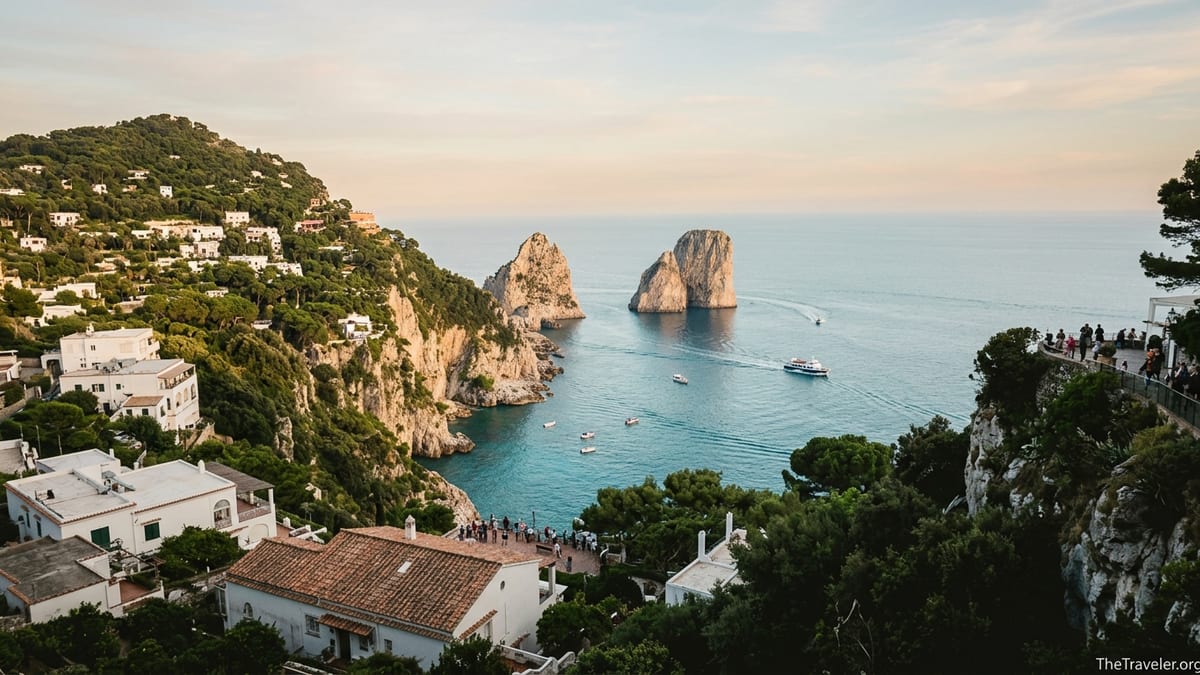
Capri’s Seasons in a Nutshell
Capri follows the rhythm of the wider Amalfi Coast. The main tourist season usually runs from the Easter holidays through the first weekend of November, with most hotels, beach clubs and restaurants closed or on very limited schedules in winter. Spring and early autumn have milder temperatures and fewer visitors, while July and August bring peak heat, peak crowds and peak prices. Understanding these broad patterns is the first step to timing your visit well.
Weather data from local operators shows that average daytime temperatures hover around 18 degrees Celsius (mid 60s Fahrenheit) across much of the year, climbing into the high 20s Celsius (low 80s Fahrenheit) in summer. Rain is concentrated in late autumn and winter, and sea temperatures are warmest from June through October. This means there is a long window when walking, terrace dining and boat trips are comfortable, even if you never plan to swim.
Crowds, however, follow a different curve. Even in recent years, when “shoulder season” has become busier, Capri still sees its heaviest influx of people from mid June through early September. On these days, thousands of day trippers arrive by mid-morning ferries from Naples, Sorrento, Positano and Amalfi, packing the Piazzetta, the funicular, and bus stops. To enjoy Capri at a gentler pace, you should aim for the edges of the season and pay attention to day-trip patterns as much as to the weather forecast.
In practical terms, this means that many travelers will have the best experience in April, May, early June, late September and early October. These are the months when café tables in Capri town are busy but not frantic, you can still find a seat on the buses to Anacapri, and you are more likely to board a small boat tour around the island without waiting through several departures.
The Sweet Spot: Spring Shoulder Season (April to mid June)
Locals and long-time hoteliers on Capri consistently point to spring as the island at its most beautiful. From early April, the island begins to wake up for the season. Wildflowers carpet the paths to Villa Jovis and along the Pizzolungo trail, while wisteria and bougainvillea spill over villa walls in Anacapri. Average daytime temperatures in April and May typically sit in the high teens to low 20s Celsius, warm enough for outdoor lunches without the scorching humidity of high summer.
For crowd-sensitive travelers, late April and May are especially attractive. By this point, most hotels and restaurants are open, and ferry schedules between Naples, Sorrento and Capri are more frequent than in March, yet the island is not at capacity. On a weekday in mid May, for example, you might walk Via Krupp in the late afternoon and share the path with only a handful of other visitors, or ride the Monte Solaro chairlift in Anacapri without waiting through a long line of tour groups.
Prices in spring generally sit below the absolute peak of July and August, although Capri is an expensive destination year-round. A mid-range hotel near Capri town that might quote 700 to 900 euros per night in late July can be closer to 400 to 550 euros in May, with more room categories still available. While exact prices vary by year and property, you are more likely to find sea-view rooms and flexible cancellation policies in the spring shoulder season than in the height of summer.
The main drawback of spring is that the sea can still feel cool for long swims, especially in April. Boat tours around the island and into the Blue Grotto usually operate from April onward, but sailings may be canceled or rerouted after bouts of wind or rain. If you are dreaming of long days at beach clubs like La Fontelina or Marina Piccola’s stabilimenti, consider aiming for late May or early June, when water temperatures and sunshine hours are more reliable while the crowds are still manageable.
Late Summer and Early Autumn (September and early October)
If you prefer warmer sea temperatures and the possibility of long swims, late summer and early autumn can be an excellent compromise. By early September, families tied to school holidays have largely gone home, yet sea temperatures are at their highest after months of sun. It is often possible to swim comfortably into late October, and locals in the region frequently talk about October as their favorite month for relaxed seaside days.
It is important, however, to manage expectations about “empty” Capri in September. In the past, this month was a quiet sweet spot. Recent seasons have seen September become almost as busy as peak summer across much of the Amalfi Coast, Capri included. On a sunny Saturday in early September, you can still encounter crowded ferries, queues for buses in Marina Grande, and a tightly packed Piazzetta by midday. The difference compared to July and August is slightly cooler temperatures and a somewhat more relaxed feel in the evenings.
Early October often brings a more noticeable drop in day-tripper numbers. Many organized tours reduce frequency after the end of September, and some beach clubs begin to close or shorten hours toward the end of the month. Hotel rates generally start to soften as well. A boutique property in Anacapri that charges peak prices in August might drop to more moderate, shoulder-season rates by the first or second week of October, making a sea-view terrace or a room with a private garden slightly more attainable.
The trade-off in October is an increasing chance of rain and occasional storms. Ferry and hydrofoil schedules can be disrupted on very windy days, and boat tours to the Blue Grotto or around the island are sometimes canceled with little notice. If you are planning Capri as part of a broader Amalfi Coast itinerary in autumn, build in some flexibility so you can swap a Capri day trip with a museum day in Naples or an inland excursion if the sea becomes too rough.
When Capri Is Busiest (and How to Cope if You Must Go Then)
High season on Capri stretches from roughly mid June through the end of August. During this period, the island can feel saturated with visitors, particularly between about 10:30 in the morning and 4 in the afternoon when multiple ferries arrive in quick succession. The funicular from Marina Grande to Capri town, the buses up to Anacapri, and popular walking routes like the path to the Augustus Gardens can all feel like a continuous line.
Prices mirror this pressure. Many hotels require longer minimum stays, and even simple cafés can charge a premium for a table with a view. For example, a basic seaside lunch of grilled fish, salad and a glass of wine at a well-known beach club can easily exceed 50 euros per person in July or August, especially when you add the cost of a sunbed and umbrella rental. Boat tours around the island are at their priciest and most crowded, with small-group trips filling every available seat, and private boat rentals commanding some of the highest prices of the year.
If summer is your only option, there are still ways to carve out quieter moments. Staying overnight on the island rather than day-tripping from the mainland is one of the most effective strategies. Once the last large ferries depart in the late afternoon, the streets around the Piazzetta, Via Camerelle and the lanes of Anacapri become noticeably calmer. You might have a more relaxed dinner on a terrace in Anacapri or stroll to the Belvedere di Punta Tragara at sunset without the same daytime crush of tours.
Time of day also matters. In July and August, consider taking the earliest possible ferry from Naples or Sorrento, arriving in Capri before 8:30 or 9 in the morning. This allows you to reach the Blue Grotto or the chairlift to Monte Solaro before the bulk of organized tour groups. Alternatively, reverse the pattern and spend midday hours in a shaded garden or quiet hotel pool, then explore the town and viewpoints in the early evening when the light is softer and many day-trippers are already queuing for ferries back to the mainland.
Low Season and Winter: Peaceful but Limited (November to March)
From November through March, Capri slips into a quieter, more local rhythm. Many hotels, beach clubs and higher-end restaurants close entirely, and ferry connections are reduced, with fewer sailings and occasional cancellations during storms. Average temperatures in winter are relatively mild compared to northern Europe, but rain and wind are more frequent, and some hiking paths can be muddy or slippery after heavy downpours.
For visitors who value solitude and are content with simple pleasures, winter can offer a very different Capri. You might find yourself almost alone on the path to Villa Lysis or at viewpoints above Marina Piccola, with only a few local dog walkers for company. Accommodation prices at the properties that do stay open can be significantly lower than in high season, and you may be able to book a sea-view room for the price of an inland room in May.
The downside is that many of the experiences Capri is famous for are either unavailable or unreliable in winter. Boat tours around the island are limited and heavily weather-dependent, and the Blue Grotto is often closed for days at a time due to sea conditions. Some shops close entirely, and a number of the designer boutiques that line Capri town’s main streets shutter until spring. Even something as simple as finding an open café late in the evening can take a bit more walking than it would in June.
As a result, low season is rarely the best choice for a first-time visitor who wants to experience Capri’s classic combination of shopping, boat trips, dining and beach time. It can, however, suit repeat visitors who have already “ticked off” the main sights and now prefer slow walks, reading on a balcony, and watching winter storms roll in across the Bay of Naples.
Matching Your Trip Style to the Calendar
The best time to visit Capri is not the same for every traveler. Instead of searching for a single magic month, match your priorities to the calendar. If your main goal is comfortable walking and photography without glare, and you do not mind that the sea might be chilly, aim for late April or early May. You can spend full days on foot, covering routes like the Pizzolungo, Via Matermania and the path to Arco Naturale without overheating, and the lower sun angles can make the Faraglioni rock formations particularly photogenic.
If swimming and boating are non-negotiable, late May, June and September are usually the safest bets. By then, sea temperatures are more inviting, and local operators typically run full schedules of island-circumnavigation tours, sunset cruises, and transfers to private beach clubs. Booking a mid-morning small-group boat tour in early June, for example, is likely to give you calm seas, manageable heat, and slightly fewer competing boats jockeying for position at the Blue Grotto entrance than in August.
Travelers most sensitive to crowds might trade some weather perfection for breathing room. For instance, a three-night stay in Anacapri in mid October might come with a higher chance of overcast days, but you are more likely to ride the Monte Solaro chairlift without queuing for half an hour or to find space on the public buses without being pressed against the doors. Similarly, a day trip from Naples in early April can give you pleasantly quiet hours in the Augustus Gardens and along Via Krupp, with only the occasional school group to share the views.
Budget is another factor. While Capri will never be a low-cost destination, the difference between a peak August weekend and an early June midweek stay can be substantial. Flights into Naples or Rome may also be cheaper in shoulder months, and you will have a wider choice of mid-range accommodations, from simple guesthouses in Anacapri to boutique hotels tucked into lemon groves along the quieter lanes above Marina Grande.
Practical Tips for Beating the Crowds at Any Time of Year
Even if your dates are fixed during busier periods, a few practical strategies can help you experience a calmer Capri. The first is to build your daily plan around ferry arrival patterns. On busy days in high season, ferries and hydrofoils from Naples and Sorrento often arrive in clusters mid-morning. If you are already on the island, avoid queuing for the funicular or buses at Marina Grande during these windows. Instead, plan to be elsewhere: walking a quiet path, sitting in a shaded garden, or already up in Anacapri.
Booking key experiences for the earliest possible slots can also pay off. Reserve the first chairlift ride of the day up Monte Solaro in summer, or the earliest island-circumnavigation boat tour that a reputable operator offers. When the Blue Grotto is open, boats often queue outside the cave entrance by late morning. Arriving earlier not only reduces waiting times, it can also mean a quieter, more atmospheric experience inside, with fewer voices echoing off the limestone walls.
Where you stay matters too. Capri town is convenient for high-end shopping and evening passeggiata, but Anacapri tends to stay calmer even at the height of the season. Choosing a small hotel or guesthouse in Anacapri can mean quieter evenings, easier access to hikes and the chairlift, and slightly better value for money. From there, you can still reach Capri town by bus or taxi when you want the bustle of the Piazzetta, then retreat to quieter streets at night.
Finally, stay flexible and keep an eye on local forecasts, especially outside peak summer. Boat tours and ferries are more likely to be canceled in shoulder and low seasons, but even in July and August, occasional storms or strong winds can change plans. Having a backup idea, such as visiting Villa San Michele, exploring inland lanes, or shifting a Blue Grotto visit to another day, will help you make the most of Capri regardless of the month you choose.
FAQ
Q1. What is the single best month to visit Capri for good weather and fewer crowds?
There is no perfect month, but many regular visitors favor May or late September for a balance of pleasant temperatures, active boat services, and somewhat lighter crowds than in July and August.
Q2. Is April too early to visit Capri?
April can be a wonderful time if you accept some trade-offs. Most hotels and restaurants have reopened, trails are lush and quiet, and crowds are relatively low, but the sea is cool and some boat tours may be canceled after windy or rainy spells.
Q3. Are July and August really that crowded on Capri?
Yes, July and August are the busiest months. Expect full ferries, queues for the funicular and buses, crowded streets in Capri town, and higher prices for hotels, boat tours and beach clubs during this period.
Q4. Is it worth staying overnight, or is a day trip enough?
Staying overnight usually gives a much better experience, especially in busier months. Once the last large ferries leave in late afternoon, the island becomes calmer, making evening walks, terrace dinners and sunrise viewpoints far more enjoyable than a rushed midday day trip.
Q5. Can I swim in Capri in May or October?
In May, confident swimmers often take short dips, especially on sunny days, though the water can feel brisk. In October, the sea is usually warmer thanks to summer heat, and it is often possible to swim comfortably in early to mid October, weather permitting.
Q6. What happens on Capri in winter?
From November to March, Capri is very quiet. Many hotels, beach clubs and upscale restaurants close, ferry schedules are reduced, and boat tours are limited and weather-dependent, though you can still enjoy mild temperatures, local life and uncrowded walking paths.
Q7. How far in advance should I book Capri hotels in shoulder season?
For late April, May, June and September, it is wise to book accommodations at least two to four months ahead, especially if you want a specific hotel, sea view room or flexible cancellation policy, as popular properties can still sell out in these periods.
Q8. Is Anacapri less crowded than Capri town?
Generally yes. Anacapri sees fewer day trippers, so its streets, viewpoints and cafés feel calmer, particularly in the early morning and evening. It is a good base if you value quieter nights and easier access to hikes and the Monte Solaro chairlift.
Q9. Will ferries and boat tours run in shoulder season?
In most years, regular ferries and hydrofoils run from around Easter to early November, and island boat tours operate through spring and autumn. However, all sea services remain subject to weather, so strong winds or storms can cause same-day cancellations.
Q10. When is the Blue Grotto most likely to be open with smaller crowds?
The Blue Grotto is usually most consistently accessible in late spring, summer and early autumn when seas are calmer, but it is always weather-dependent. To reduce crowds, aim for shoulder-season months like May, June or early October and visit early in the morning when possible.