


More news on this day
From New York’s glacial Finger Lakes to the deep blue basins of Tahoe and the mountain-ringed waters of Montana, a new wave of domestic travel is pushing lakeside destinations to the center of the United States tourism story, signaling a shift in how Americans seek nature, wellness, and escape.
Get the latest news straight to your inbox!
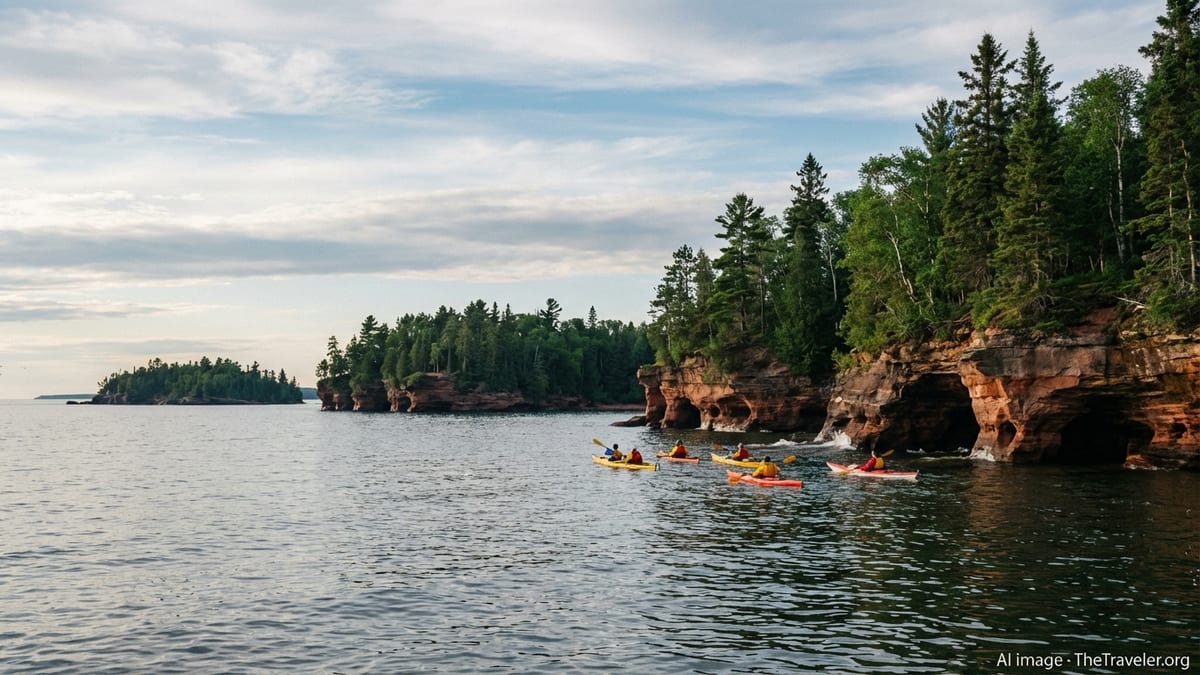
Domestic Travel Rebound Favors Nature-Focused Getaways
Recent travel and economic analyses indicate that Americans are traveling in strong numbers and are increasingly choosing vacations within the country, particularly to nature-oriented destinations. Surveys of U.S. travelers for the 2025 summer season show that more than two thirds of respondents plan at least one leisure trip, with most opting to remain within national borders. Industry reports suggest that while overall travel spending growth has moderated from the post-pandemic surge, domestic leisure remains a bright spot, with steady gains projected over the next several years.
Lake regions appear to be direct beneficiaries of this pattern. Research compiled by national and state tourism bodies highlights ongoing interest in outdoor recreation, scenic road trips, and shorter-haul journeys that favor drivable destinations. In multiple state-level travel trend briefings, lakes and beaches are consistently cited among the top preferred landscapes for upcoming vacations, underscoring the appeal of water-based escapes that promise both activity and relaxation.
Analysts note that this domestic focus is unfolding alongside a more uncertain picture for inbound international tourism. As global travelers weigh currency shifts, visa rules, and geopolitical tensions, U.S. residents are turning their gaze inward, rediscovering their own backyards. Lake communities, many of them long reliant on summer visitors, are seeing that rediscovery translate into fresh demand for cabins, campgrounds, boutique hotels, and vacation rentals.
Finger Lakes and Northeastern Shores Record New Highs
In New York, newly released tourism economics reports show that visitor spending in the state has climbed above pre-pandemic levels, with upstate regions playing an increasingly central role. The Finger Lakes, a constellation of long, slender glacial lakes stretching south of Lake Ontario, feature prominently in this rebound. Statewide economic impact assessments for 2024 describe visitor spending across the Finger Lakes region rising to record or near-record levels, feeding local tax revenues and supporting thousands of jobs in hospitality, wineries, outdoor outfitters, and agritourism.
Local visitor bureaus in the region report that travel activity continues to “re-energize” the lakeside economy, with recent annual studies documenting tens of millions of dollars in tax receipts tied directly to tourism. Detailed visitor profiles compiled for nearby counties indicate that sightseeing, hiking, lakeshore drives, and waterfall hunting now rank alongside wine tasting as top reasons for travel. The result is a diversified draw that frames the Finger Lakes not just as a wine country escape, but as a broader nature immersion corridor for the Northeast.
Farther north, lakeside destinations in the Adirondacks and along Lake George are experiencing similar momentum. Vacation rental search data for the 2025 summer season place Lake George among the fastest-rising inland destinations in the United States, with triple-digit year-on-year increases in search interest. Travel platforms attribute the surge to travelers seeking cooler climates, swimmable water, and mountain views without the crowds and high prices of big coastal hubs.
Mountain Lakes in the West Become Four-Season Hubs
In the western United States, high-altitude lakes are emerging as four-season hubs rather than short summer novelties. Economic impact assessments for the Truckee and North Tahoe area in California and Nevada show visitor spending inching to new highs in 2025, after several years of recovery. One report prepared for regional tourism officials notes that visitor spending in the Truckee area rose again between 2024 and 2025, extending what it describes as a multi-year climb to record levels and underscoring the enduring magnetism of Lake Tahoe’s alpine shoreline.
Public data from national park and recreation agencies also point to sustained appetite for mountain landscapes, which often include or border prominent lakes and reservoirs. Across the National Park System, recreation visits have risen into the hundreds of millions annually, with park dashboards documenting year-on-year growth at several lake-linked sites. In Yosemite, for instance, official figures for 2025 show summer visitation running ahead of the previous year and putting the park on track for one of its busiest seasons on record, strengthening demand for nearby lake and river experiences in the Sierra Nevada.
Even in regions grappling with environmental and water-level challenges, lakes remain central to the travel economy. At Lake Powell and the surrounding Glen Canyon National Recreation Area, visitation trends reflect the complex interplay of drought, international travel patterns, and shifting visitor behavior. While some recent reports have highlighted slumps tied in part to fewer overseas visitors, the broader story across western lakes points to continued interest from domestic travelers seeking houseboating, paddling, and backcountry camping in dramatic desert and mountain settings.
Midwestern and Southern Lakes Ride the Road-Trip Wave
The lake boom is not confined to coastal-adjacent or mountain states. Data from vacation rental platforms and state tourism offices indicate that Midwestern and Southern lake regions are climbing in popularity, drawing on a deep road-trip culture and a dense population base within driving distance. Booking trend analyses for summer 2025 show states such as Michigan, Wisconsin, Minnesota, and Tennessee entering the top tier of most-searched domestic destinations, a shift analysts link to growing interest in inland, water-rich landscapes.
Individual lake towns are seeing the impact. Recent travel trend coverage highlights Saugatuck on Michigan’s Lake Michigan shoreline and lakeside communities in upstate New York as examples of inland destinations experiencing rapid growth in online searches. In many of these areas, lakes provide the organizing backdrop for a mix of activities: boating and paddleboarding in the morning, forest hikes and cycling in the afternoon, and small-town dining in the evening. The combination of accessible recreation and slower-paced environments appears to resonate strongly with travelers who want nature without foregoing comfort.
In states such as New Hampshire, which track traveler intentions closely, survey work conducted for tourism agencies in 2025 shows that a majority of respondents planning domestic trips list lakes or beaches among their preferred landscapes. That demand is expected to support continued investment in lakeside campgrounds, trail systems, and public access points, even as destinations balance growth with concerns over shoreline congestion and environmental protection.
New Lifestyles, Old Landscapes: How Travelers Engage With Lakes
Underlying the surge in lake travel is a broader evolution in how Americans incorporate nature into their lifestyles. Recent national surveys, including research by senior-focused organizations on 2025 travel habits, find that domestic leisure remains a top priority for older travelers, with many indicating plans for multiple trips centered on outdoor scenery, wellness, and time with family. At the same time, younger travelers are embracing flexible work patterns that allow long weekend trips or working stays near water, blending laptops with lakeside cabins.
Industry analyses describe this shift as less about “seeing” nature and more about living in it, even if only for a few days. Lakes, with their combination of contemplative stillness and easy access to activity, lend themselves well to this rhythm. From stand-up paddleboards and shoreline yoga sessions to stargazing cruises and guided wildlife outings, lakeside itineraries increasingly foreground moments of restoration alongside adventure.
Destination managers and planners, drawing on visitor statistics and long-range travel forecasts, are beginning to adapt to this reality. Investments in year-round trails, waterfront public spaces, and low-impact lodging aim to spread visitation beyond peak summer weeks and reduce pressure on sensitive shorelines. As domestic travel growth steadies but remains positive, lakes are poised to stay at the forefront of how Americans choose to reconnect with nature: not only as scenic backdrops for a once-a-year vacation, but as recurring stages for a changing relationship with the outdoors.