


Stingray City in Grand Cayman is one of the Caribbean’s most memorable experiences, but your timing matters. Visit at the wrong hour or in the wrong month and the famous sandbar can feel crowded, choppy and rushed. Plan it right and you may find yourself standing in waist-deep turquoise water with just a handful of other visitors and a dozen curious southern stingrays circling your legs. This guide breaks down when to go for fewer people, clearer water and a calmer encounter, using real-world examples around ship schedules, seasons and local wind patterns.
Get the latest updates straight to your inbox!
Understanding Stingray City’s Location and Conditions
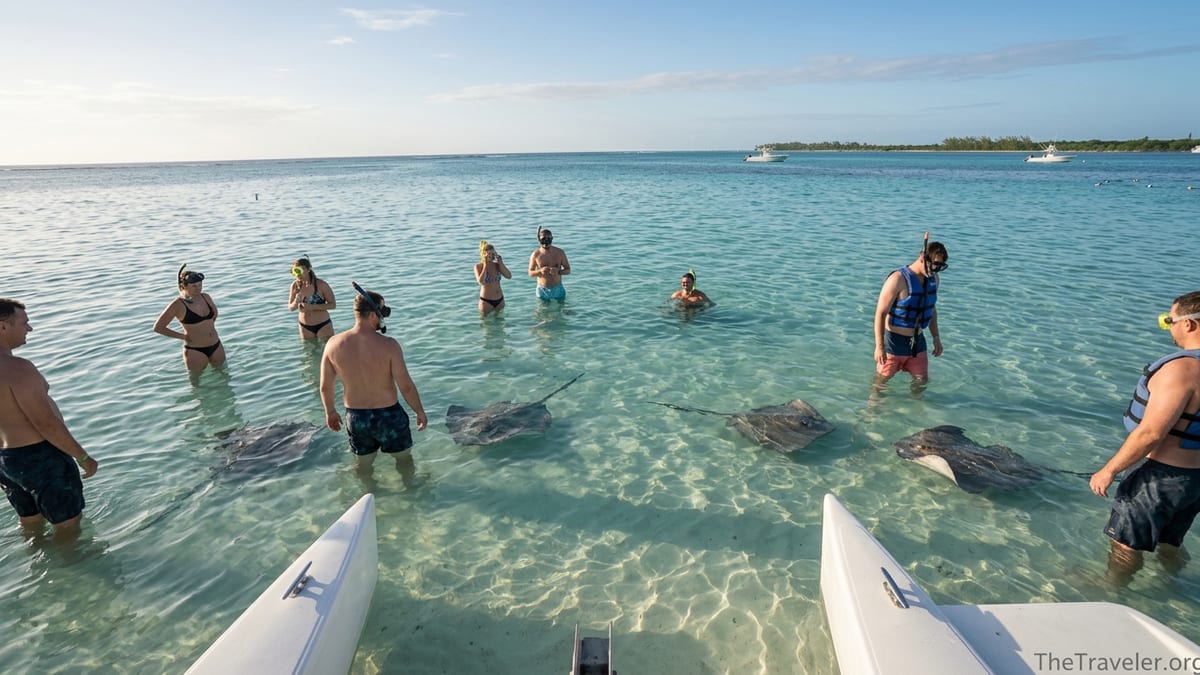
Stingray City is a shallow sandbar in the North Sound of Grand Cayman, a protected lagoon ringed by reef on the island’s north side. The sandbar itself is usually waist- to chest-deep, with sandy bottom and no waves breaking directly on it. That sheltered setting is a big reason the area is famous for calm, clear water, but it is still affected by tides, wind and overall weather in the Cayman Islands.
Because the sandbar sits inside the reef, you will not see big surf here, even in winter. Instead, what changes from day to day is surface chop and visibility. On days with light easterly trade winds, the North Sound often looks like a smooth, glassy swimming pool, and underwater visibility can be excellent. On windy days, especially if the breeze lines up with a longer fetch across the lagoon, the surface can turn choppy and visibility may drop as the sand is lightly stirred up.
The Cayman Islands’ official tourism board notes that the islands enjoy warm weather year-round, with cooler, drier conditions from roughly December to April and hotter, more humid conditions with more showers from May through October. Air temperatures usually fall in the upper 70s to mid 80s Fahrenheit, and water temperatures hover around the high 70s to low 80s. That means Stingray City is technically a year-round destination, but some months give you a better combination of clear water, lighter winds and lower visitor numbers.
Most visitors reach Stingray City on organized boat tours, either from Seven Mile Beach, the George Town area or sometimes from marinas near Rum Point and Kaibo on the North Side. Because almost everyone arrives on a scheduled departure, tour timing, cruise ship schedules and overall visitor demand have a huge impact on how busy the sandbar feels when you arrive.
Season by Season: When Water Is Clearest and Crowds Lightest
Grand Cayman’s dry season from roughly December through April is widely regarded by dive and snorkel operators as the best time for clear water. During these months, the prevailing trade winds often settle, seas are calmer and underwater visibility around the island can exceed 80 to 100 feet on good days. Tour companies that combine Stingray City with snorkeling at nearby coral reefs in the North Sound regularly highlight these months as prime time for crystal-clear photos and comfortable conditions.
Within the dry season, January, February and March are particularly popular with North American travelers looking to escape winter. That popularity means more visitors overall on the island, which can translate into more boats at the sandbar, especially on days with several cruise ships in port. If you are visiting in peak winter, the key is not to avoid the season entirely, but to choose your days and times carefully, as outlined later in this guide.
The late spring and early summer months of May and June are often a sweet spot. Water is warm, the weather is usually settled at the start of the wet season and overall visitor numbers can be a bit lower than in mid-winter and the heart of summer vacation. On a typical weekday in early June, for example, you might find just one or two mid-size cruise ships in George Town instead of three or four large ships, which can make a noticeable difference in sandbar crowding.
From July through October, Grand Cayman moves into its hotter, wetter months and the broader Atlantic hurricane season. Showers are more frequent and sometimes heavy, and there is a higher risk of tropical systems that can shut down boat tours entirely for a day or more. On the other hand, many land-based visitors avoid the Caribbean at this time, so hotels and condos may be less full and some weeks see relatively few cruise calls. If you travel during this window, staying flexible and watching the marine forecast becomes more important than worrying about general “high season” crowds.
Using Cruise Ship Schedules to Dodge Peak Sandbar Crowds
The single biggest factor in Stingray City crowd levels is the cruise ship schedule. A large cruise ship can bring several thousand passengers into George Town, and Stingray City excursions are among the most heavily marketed tours onboard. Local watersports operators and long-time residents often recommend starting your planning by checking how many ships are in port on your preferred day, then choosing your tour accordingly.
Industry operators that run catamaran and powerboat trips to Stingray City consistently report that midweek is busiest when it comes to cruise visitors. Wednesdays and Thursdays in particular often see multiple ships anchored off George Town. Local tour companies and Cayman-based travel guides commonly suggest that Friday through Monday can be quieter at the sandbar, with fewer ships calling and more independent, land-based visitors filling the boats instead of large cruise groups.
To see how this plays out in practice, consider a real schedule example: in July 2026, one online cruise-planning resource shows that Thursday, July 30 has three separate ships scheduled to call at Grand Cayman. On days like this, every popular shore excursion, including Stingray City, tends to feel busier because each vessel is selling similar tours on roughly the same timetable. By contrast, other days in the same month show only one ship or even none at all, which typically translates into noticeably fewer boats on the Stingray sandbar.
Practical planning usually looks like this. If you are staying on-island for a week, look up the cruise ship calendar for George Town, circle the days with the fewest or smallest ships and aim to book your Stingray City tour on one of those days. If your travel dates fall on a very busy cruise day, consider an early sunrise trip or a later afternoon departure designed to miss the main cruise excursion window. Reddit users and local posters frequently describe doing Stingray City after lunch, once cruise passengers are required to start heading back to their tenders, and finding the sandbar significantly quieter.
Morning vs Afternoon: Best Time of Day for Calm Water and Space
Tour operators in Grand Cayman often describe early morning as the premium time for Stingray City. Boats that depart around 7:30 or 8:00 in the morning can reach the sandbar before the majority of cruise excursions arrive. Travelers who have done both a first-departure hotel tour and a mid-morning cruise excursion routinely report a dramatic difference in crowd size, with early tours showing a handful of boats in the background instead of dozens.
From a conditions standpoint, mornings also tend to offer calmer water. Across many tropical destinations, including Hawaii and other Caribbean snorkeling spots, local guides consistently note that winds are typically lighter in the morning, with more glassy conditions and better underwater visibility. By early afternoon, sea breezes often pick up, creating more surface chop. The North Sound is relatively protected, but you can still feel this pattern: an 8:30 a.m. stop at Stingray City may feel almost pool-calm, while a 2:00 p.m. visit on the same day might be noticeably choppier and a bit more stirred up.
Afternoon does have its benefits. Families with younger children sometimes prefer a late-morning or early-afternoon trip so that everyone can wake at a normal hour and have breakfast before heading to the dock. In winter, the sun is higher and the air feels warmer by midday, which can be more comfortable for travelers who get chilled easily in the water. Some local operators also time certain afternoon trips to arrive at the sandbar after the peak cruise excursion window, which usually falls between roughly 10:00 a.m. and 1:00 p.m. That means a 1:30 or 2:00 p.m. arrival can occasionally feel quieter than late morning, especially on days when ships have relatively early “all aboard” times.
If your top priority is fewer people in the water around you, a sunrise or first-light private charter is ideal. Several Cayman-based operators advertise “sunrise at Stingray City” experiences that leave while it is still dim onshore and reach the sandbar just as the sun is coming up. These trips tend to be more expensive and require an early start, but guests often describe having nearly unhurried time with the rays before other boats arrive. For most travelers, however, a standard early-morning tour with an 8:00 or 9:00 a.m. departure strikes the best balance between good conditions and manageable wake-up time.
Weather, Wind and Water Clarity: Reading the Forecast
Beyond season and ship traffic, daily weather and wind forecasts are crucial if you want the clearest water possible. The Cayman Islands’ official weather information and local dive shops typically publish marine forecasts that include wind direction and speed in knots. For Stingray City, lower wind speeds and certain directions tend to be more favorable.
In general, light to moderate easterly trade winds are typical around Grand Cayman. When those winds are gentle, the North Sound’s reef and shoreline help keep the sandbar reasonably calm. Stronger winds or winds aligned directly across the Sound can create more chop and may reduce visibility in the water as the sandbar’s fine white sand is disturbed. Local boats will still run trips in modest chop, but if you have flexibility during your stay, it is worth asking your tour operator whether a given morning is forecast to be calmer than the next.
Cloud cover also affects the look of the water, though not necessarily its clarity. On a bright sunny day, even moderate visibility will look dazzlingly turquoise in photos. On an overcast day, the same water can appear flatter and darker in pictures, even if you can still see the stingrays clearly when you look down. If you are hoping for the classic postcard-style images, try to book your Stingray City tour early in your trip so that you can adjust the day if an especially sunny forecast appears.
Rain alone does not always cancel Stingray City trips, particularly in the wet season when brief passing showers are common. What will stop boats from heading out are strong winds, lightning or especially rough marine conditions beyond the reef. If a late-summer tropical system is in the area, operators may cancel or reschedule tours for safety. To protect your budget, look for companies that allow free date changes if the weather is unsuitable, something many well-established Cayman operators already build into their policies.
Shoulder Seasons and Less Obvious Low-Crowd Windows
If you prefer to plan months ahead rather than chasing daily forecasts, focusing on shoulder seasons is one of the easiest ways to reduce crowds while still enjoying clear water. In Grand Cayman, late April and early May often feel like a transition period. Many winter visitors have gone home, spring break crowds have faded and full summer family travel has not yet ramped up. Water visibility is still typically good and trade winds have not reached their muggiest summer pattern.
Another underappreciated window is late August through early November, excluding any major holiday weeks. This period is squarely in hurricane season, which understandably puts some people off. However, in years without significant storms, travelers who do make the trip often find good accommodation deals and relatively quiet attractions. Cruise itineraries can also be lighter, meaning fewer days with three or four ships at anchor. If you choose this time of year, it is wise to purchase travel insurance that covers weather disruptions and to remain flexible in case a tropical system forces schedule changes.
There are also timing nuances within a normal week. Some local travel forums and Cayman-based Reddit threads point out that Sundays can be among the quietest days at Stingray City because many cruise schedules favor weekday port calls, leaving Sundays with zero or very few ships. A land-based traveler staying on Seven Mile Beach in February, for example, might find that a Sunday 8:30 a.m. tour offers a surprisingly uncrowded experience, even though it is technically peak season.
Finally, consider the ripple effect of island-wide events. Grand Cayman hosts festivals such as Pirates Week in November, which can draw additional visitors but often concentrate activity in town rather than on the North Sound. If a major event coincides with your trip, Stingray City itself may not be dramatically busier, but accommodations and flights can be. Checking both event calendars and cruise ship schedules gives you the clearest picture of when the sandbar is likely to feel relaxed.
Practical Strategies to Avoid the Busiest Sandbar Periods
Once you understand the rhythms of seasons, ships and weather, avoiding the worst crowds at Stingray City comes down to a few practical moves. The first is to prioritize tour size. Locally owned catamaran operators and small-group outfits typically cap their passenger numbers below those of mass-market boat tours sold directly by ships. For example, one well-known Cayman catamaran company promotes spacious decks and deliberately smaller groups, while still timing departures to work for cruise visitors. Choosing a smaller boat does not change how many other vessels are anchored at the sandbar, but it does dramatically affect how crowded the water feels immediately around you.
The second tactic is to look carefully at departure times. Standard hotel-concierge tours might offer a 9:00 a.m. Stingray City and snorkeling trip, which can be wonderful on a low-cruise day but may coincide with the heart of the ship excursion rush when multiple vessels are in port. If your schedule allows, ask if the operator has an earlier 8:00 a.m. departure or a slightly later one that aims to reach the sandbar after the biggest groups have departed. Many companies that serve both cruise passengers and stay-over visitors are used to fine-tuning their routes to avoid feeling like they are in the middle of a floating traffic jam.
Another strategy is to choose a departure point other than the main marinas used for large bus-load tours. On-island visitors staying near Rum Point or the North Side can sometimes book Stingray City trips that leave from docks closer to the sandbar, such as Kaibo Marina. These often serve a mix of locals and condo guests rather than large ship groups, and they may run slightly off-peak schedules. Travelers who have taken this route frequently describe a more relaxed pace and less of a rush to fit back into a rigid ship timetable.
Finally, build in flexibility. Instead of locking in your Stingray City trip for the only free morning of your vacation, try to reserve it on your first or second full day with the option to move it if the weather or ship schedule looks unfavorable. Many operators are happy to shift guests to another day or time if there is space, especially in shoulder seasons. By staying open and checking the forecast and ship calendar each evening, you give yourself the best shot at waking up to a calm, sunny, lightly trafficked sandbar.
The Takeaway
If your goal is clear water and breathing room at Stingray City, timing is less about finding a single magic month and more about stacking a few small advantages in your favor. Aim for the dry season if you can, with a particular eye on late April, May and early June for a sweet spot of visibility and somewhat lighter crowds. If your travel dates are fixed in mid-winter or late summer, lean harder on the cruise ship calendar to pick the quietest day of your stay.
Within that chosen day, early-morning departures and smaller boats will almost always improve your experience. Watch for days with gentle winds and some sun in the forecast, and be prepared to slide your tour by a day if a tropical system or a lineup of four mega-ships suddenly appears. Whether you book a sunrise private charter from a North Side dock or a standard hotel tour from Seven Mile Beach, a bit of planning around ships, seasons and wind pays off with exactly what you came for: standing in warm, waist-deep Cayman water as gentle stingrays glide past in clear, turquoise light.
FAQ
Q1. What month is generally best for visiting Stingray City?
Many visitors find late April through early June ideal, when the dry season’s clear water overlaps with slightly lighter crowds than peak winter and mid-summer holidays.
Q2. Which days of the week are usually least crowded?
Locals and tour operators often cite Friday through Monday, and especially some Sundays, as quieter because there are typically fewer cruise ships in port compared with midweek.
Q3. What is the best time of day to avoid crowds at the sandbar?
An early-morning departure that reaches Stingray City around 8:30 or 9:00 often beats the majority of cruise excursions and finds calmer, clearer water.
Q4. Is the water clearer in the morning or afternoon?
On most days, water looks and feels clearer in the morning when winds are lighter and the surface is glassier, although sunny afternoons can still offer excellent visibility.
Q5. How do I check if cruise ships will be in Grand Cayman on my date?
You can look up the George Town cruise ship calendar before your trip and note how many ships are scheduled, then book your Stingray City tour on a day with fewer or smaller vessels.
Q6. Is Stingray City worth visiting in the rainy season?
Yes, as long as there are no storms or unsafe marine conditions. Showers are common from May through October, but many days still offer warm, clear water and smaller overall crowds.
Q7. Will wind really make a big difference to my experience?
Yes. Stronger winds create more surface chop and can stir up sand, while lighter winds produce calmer, more comfortable conditions and typically better visibility at the sandbar.
Q8. Are private or small-group tours better for avoiding crowds?
Smaller boats cannot control how many other vessels are at the sandbar, but they greatly reduce how crowded the water feels immediately around you and often run less rigid schedules.
Q9. Can I decide on my Stingray City day after I arrive in Grand Cayman?
Often you can. Many operators allow flexibility, especially in shoulder seasons, but during busy winter weeks tours can sell out, so it is wise to reserve and confirm change policies in advance.
Q10. What happens if weather cancels my Stingray City tour?
If conditions are unsafe due to strong winds, storms or rough seas, reputable operators will cancel or reschedule and usually offer a new date or a refund according to their stated policy.