


Tokyo Narita Airport can feel overwhelming, especially after a long-haul flight or before a late-night departure. The right lounge can transform that experience, whether you are flying business class on a Japanese carrier, holding an American premium credit card, or simply willing to pay for some quiet and a shower. This guide walks through the best Narita Airport lounges by terminal and explains, in concrete terms, how to get in and what to expect once you are inside.
Get the latest updates straight to your inbox!
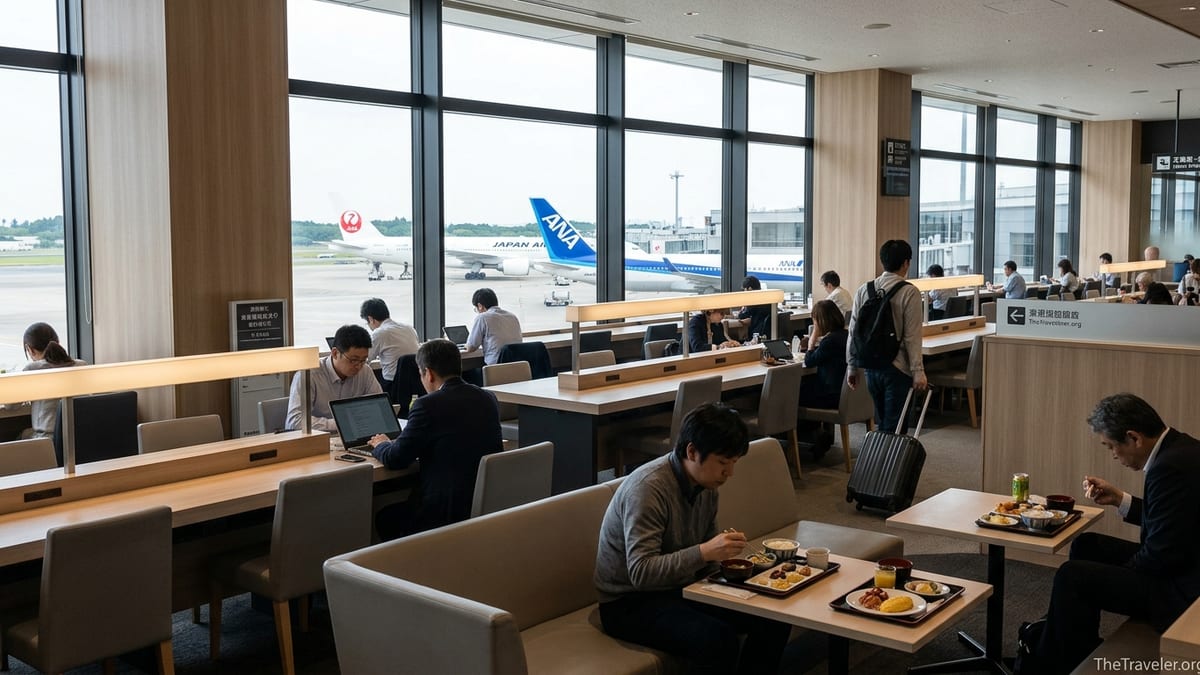
Understanding Narita’s Terminals and Lounge Landscape
Narita International Airport has three passenger terminals, but only Terminals 1 and 2 offer lounges. Terminal 3, used mainly by low cost carriers such as Jetstar Japan and Peach Aviation, has no lounges at all, so its passengers are usually directed to use public seating and dining options instead. If you are flying from Terminal 3 and want lounge access, you would need to spend time in Terminal 2 before security, then walk or shuttle back to Terminal 3 and pass through that terminal’s own security and gate area.
Terminal 1 is dominated by Star Alliance and several SkyTeam and independent carriers, including ANA, United Airlines, Lufthansa, Air France and others. It has some of Narita’s best premium airline lounges, plus an independent contract lounge that serves multiple airlines and lounge programs. Terminal 2 is the home of Japan Airlines and most oneworld carriers, along with a number of other international airlines and several independent lounges that are popular with travelers using Priority Pass and similar memberships.
Because each terminal has its own security checkpoint and most lounges are located airside, after security, you normally must use a lounge in the same terminal from which your flight departs. It is possible to walk between Terminals 2 and 3 in about 10 to 15 minutes via an indoor corridor, and free shuttle buses link all three terminals landside. However, you generally cannot clear security in one terminal, visit a lounge there, and then walk behind security to another terminal. Plan your lounge strategy based on the airline and terminal printed on your boarding pass.
In practical terms, a United Airlines passenger flying from Terminal 1 might choose between the ANA lounges and the United Club, while a British Airways passenger in Terminal 2 will typically use JAL’s Sakura Lounge. Travelers relying on Priority Pass or a similar program will usually aim for the IASS or Aspire branded lounges in Terminal 1 or 2 and should double check their app on the day of travel, as participating lounges occasionally change.
Best Lounges in Terminal 1: ANA, United and Independent Options
For many frequent flyers, the standout lounges in Terminal 1 are operated by ANA. ANA runs several facilities here, including the ANA Suite Lounge for first class and top-tier elites, the main ANA Lounge for business class and Star Alliance Gold passengers, and an ANA Arrival Lounge in the landside arrivals area. The international departure lounges generally open from around 7 am and stay open until the last ANA-operated international departure of the day, which can be late evening.
Access to the ANA Lounge in Terminal 1 is primarily for passengers traveling in business class or first class on ANA or another Star Alliance carrier, and for Star Alliance Gold members flying internationally on the same day. For example, a United Airlines Premier Gold customer flying economy from Narita to San Francisco typically qualifies for the ANA Lounge, while a basic economy passenger without status would not, unless they purchased access through ANA’s paid lounge program when offered. In some cases, passengers on partner airlines such as Air Canada or Lufthansa are invited to ANA lounges as part of interline agreements when those carriers do not operate their own facility at Narita.
United Airlines also operates a United Club in Terminal 1, near the gates usually used by its flights to hubs such as San Francisco, Los Angeles and Newark. Access follows United’s standard global rules: business class or Polaris passengers, Star Alliance Gold members on international itineraries, and United Club members can enter. A traveler flying Narita to Los Angeles in United Polaris class, for instance, can choose between relaxing in the United Club for familiar US-style snacks and drinks or trying the ANA Lounge for Japanese food options such as curry, noodles and rice bowls.
On the independent side, Terminal 1 hosts at least one common-use lounge that is not tied to a specific airline. Facilities such as the IASS Superior Lounge NOA or similar contract lounges are typically located airside near the central or satellite gate areas and offer soft drinks, simple snacks, beer and Wi-Fi. These lounges often partner with Priority Pass, LoungeKey and other membership programs, and may also sell entry at the door for a fee that is usually in the range of the equivalent of 30 to 40 US dollars, paid in yen. They generally do not match the breadth of dining or shower facilities in the big airline lounges, but they provide a quieter place to sit, charge devices and enjoy a drink away from the terminal crowds.
Best Lounges in Terminal 2: JAL Sakura, First Class and Priority Pass Choices
Terminal 2 is the main base for Japan Airlines, which operates several of Narita’s most highly regarded lounges there. The JAL First Class Lounge caters to international first class passengers and top-tier JAL elites, offering a calm atmosphere, made-to-order food and often amenities such as massage chairs or quiet work areas. A traveler flying first class from Narita to New York, for example, would typically check in at a dedicated First Class counter, pass through fast-track security and then be directed to this lounge until boarding.
The JAL Sakura Lounge in Terminal 2 serves international business class passengers, JAL elites and oneworld Sapphire and Emerald status holders flying internationally the same day. This lounge has a loyal following thanks to its signature Japanese curry, buffet selection and a mix of Western and Japanese dishes that change through the day. It includes showers, a bar area and comfortable seating geared to both working and relaxing. A British Airways Executive Club Silver member flying economy from Narita to London on a codeshare, for instance, would usually have access to the Sakura Lounge as a oneworld Sapphire cardholder.
For domestic flights on JAL from Narita, there is a separate domestic Sakura Lounge facility. Access is restricted to passengers flying on JAL-operated domestic routes who are either in a premium cabin or hold sufficient JAL or oneworld status, and in some cases JAL sells access to eligible customers for a fee payable at the airport or in advance. This can be useful, for example, if you are flying a short domestic hop from Narita to Sapporo in economy but value a quiet space to work before boarding and are willing to pay for it.
Terminal 2 is also home to several non-airline lounges that work closely with global lounge programs. Names include IASS-branded lounges, the Aspire Lounge in the satellite pier, and executive lounges on the landside level that sometimes accept Priority Pass, LoungeKey and Diners Club access. A traveler with a premium credit card such as an American-issued card that includes Priority Pass might arrive three hours before a Narita to Bangkok flight, clear security in Terminal 2, and use the Aspire Lounge for a light meal and drinks without paying anything extra at the door. Rules for guest access and time limits vary, and users report that at peak times some lounges at Narita have turned away Priority Pass members when they reach capacity, so it is wise to have a backup plan.
Priority Pass and Other Membership Programs at Narita
For travelers who do not hold airline status or business class tickets, lounge memberships like Priority Pass, LoungeKey or DragonPass can be a practical way to access several Narita lounges. At the time of writing, multiple lounges across Terminal 1 and Terminal 2 accept these programs, including IASS Superior Lounge NOA in Terminal 1, IASS and Aspire lounges in Terminal 2 and sometimes landside executive lounges that can be used on arrival or before checking in.
The most common experience for a Priority Pass holder at Narita is to present their digital or physical membership card at the lounge reception after security in their departure terminal. For instance, a traveler flying low fare economy on a foreign airline with no status might still have Priority Pass through a credit card such as a US-issued Chase Sapphire Reserve or an American Express Platinum card. They would typically be allowed to enter an IASS or Aspire lounge for up to three hours before departure, with one or more guests depending on the terms of their membership. Food is generally limited to packaged snacks, simple bread items and sometimes light hot dishes, while alcohol is usually limited to beer and basic spirits.
It is important to note that Narita lounges do not participate in the restaurant credit model that Priority Pass has offered at some other airports, and there are no Priority Pass partner restaurants in lieu of lounges. Also, some credit card issuers have changed how many free visits or guests are covered each year, so it is safest to check your bank or program app in the days leading up to your trip. Travelers posting recent trip reports have mentioned being admitted without issues at off-peak hours, but also being turned away during busy midday and evening departure waves when lounges filled up, so arriving earlier or targeting less popular times can make a difference.
Other membership schemes such as Diners Club, LoungeKey and select airline-paid day passes are sometimes honored at the same independent lounges as Priority Pass. In practical terms, the signage at lounge entrances in Narita lists the accepted cards and programs, and staff will confirm eligibility when you show your card and boarding pass. If you are relying on a lounge visit to shower after a long flight, it can be worth calling your card issuer to confirm which Narita lounges still accept your program before you travel.
Pay-per-use Lounges and Shower Facilities
Not every useful facility at Narita requires status, a premium cabin or a lounge membership. The airport and some airlines offer paid access to lounges and standalone shower rooms, which can be a good option if you want to freshen up after a red-eye flight or before heading into Tokyo. Prices are subject to change, but airport-operated shower rooms have historically charged a flat fee for a set time block, often around 30 minutes, including towel and basic toiletries.
Some airline lounges, such as ANA’s at Narita, allow eligible passengers flying in economy to purchase entry when there is space, sometimes by prebooking on the airline’s website or app. For example, an ANA passenger flying Narita to Singapore in standard economy might receive an email offer to buy a one-time lounge pass for a price in the equivalent range of around 30 to 50 US dollars, payable in advance. This can grant access to the same buffet, bar and shower facilities that business class passengers use, usually for a limited period before departure.
Independent contract lounges in both Terminal 1 and Terminal 2 may also sell walk-up entry to travelers without memberships. In practice, a visitor might arrive at the IASS lounge desk, show a same-day boarding pass and pay a fee in yen for access, especially during quieter times of day when the lounge is not already full with members. While these lounges are rarely luxurious, they offer air conditioning, power outlets, Wi-Fi and tea or coffee, which can be very welcome during a long layover.
For travelers arriving on early morning flights with hotel check-in not available until mid-afternoon, combining a shower facility with a lounge visit can be an efficient way to bridge the gap. One common strategy is to clear immigration at Narita, use a paid landside shower room or arrival lounge to freshen up, store large luggage at a baggage storage counter, then take the train into Tokyo for sightseeing before returning for the onward flight or hotel check-in later in the day.
Choosing the Right Lounge for Your Trip Type
The best lounge for you at Narita will depend heavily on how you are traveling. If you are in business or first class on ANA, JAL or another major global carrier, or hold Star Alliance Gold or oneworld Sapphire or higher status, then the flag carrier lounges are almost always the top choice. These facilities usually offer better hot food, more spacious seating, more reliable Wi-Fi and shower suites compared with third-party lounges. For example, an ANA business class passenger to Europe is likely to find Japanese and Western buffet options, dedicated workstations and shower rooms in the ANA Lounge that make it ideal for getting a proper meal and a quick refresh before a 12-hour overnight flight.
If you are flying economy without status but hold a premium credit card that includes Priority Pass or a similar membership, an IASS or Aspire lounge can still meaningfully improve your airport experience. These lounges are usually more about peace and quiet than full meals, but if you are connecting through Narita with only two or three hours on the ground, that may be exactly what you need. A traveler flying from Southeast Asia to the United States via Narita on a low fare, for example, could spend the layover in a Priority Pass lounge catching up on email and enjoying drinks instead of trying to find a seat in a crowded public food court.
For family groups and budget-conscious travelers, a mix of paid showers, public seating and perhaps a single lounge visit for the adults can make sense. Because most Narita lounges charge or limit guests, bringing a large group of five or six into a lounge can quickly become expensive if not covered by a card membership. In those cases, some families choose to let one adult with a card access a lounge for a quick shower and rest while the others use nearby play areas, cafes and open seating in the terminal.
Finally, think about the timing and purpose of your lounge visit. If your priority is to eat dinner before boarding a late-night flight to North America or Europe, aim for a full-service airline lounge with a solid buffet. If you mainly want a quiet hour to charge devices and download shows before a short regional hop, an independent lounge may be enough. Checking recent traveler reports for crowding patterns can help you avoid disappointments such as waitlists or being turned away at peak evening departure times.
Practical Tips for Navigating Narita Lounges
A bit of planning can make navigating Narita’s lounges far smoother. First, confirm your departure terminal and gate area at least a day before travel, using your airline’s app or confirmation email. Because lounge access is tied to the terminal you actually depart from, a last-minute aircraft or gate change from Terminal 1 to Terminal 2, or vice versa, can change which lounges are realistic options. Narita’s free shuttle buses between terminals run regularly, but transfers take time, especially if you must reclear security.
Second, keep your boarding pass and any membership cards easily accessible. Lounge receptions at Narita typically ask to see both your same-day boarding pass and proof of eligibility, whether that is a premium cabin ticket, elite status card or digital Priority Pass card in an app. Many travelers find it easiest to have a screenshot of their boarding pass and membership QR code ready, which can be scanned even if Wi-Fi or mobile data briefly drops out at the door.
Third, build in extra time if you plan to shower, especially during morning and evening peaks when long-haul flights arrive and depart. Shower rooms at popular lounges such as ANA and JAL are often managed by a simple check-in list or ticket system. Realistically, you may wait 20 to 30 minutes before your turn in the shower during rush periods. If your connection in Narita is short, it may be smarter to skip the shower and focus on grabbing a quick meal and finding your gate.
Finally, remember that Japanese airports tend to be very punctual and boarding often starts earlier than some travelers expect. Lounges will usually make boarding announcements in English and Japanese for major flights, but not always for every codeshare. As a rule of thumb, leave your lounge at least 25 to 30 minutes before scheduled departure for nearby gates, and 35 to 40 minutes for satellite gates that require an additional walk or shuttle, to avoid a last-minute dash.
The Takeaway
Narita’s lounge network offers good options for almost every type of traveler, but you will get the most out of it if you match your expectations to your ticket, status and memberships. In Terminal 1, ANA and United operate strong flagship lounges for premium and Star Alliance customers, complemented by independent lounges that serve Priority Pass and similar programs. In Terminal 2, JAL’s First Class and Sakura lounges are the highlight for oneworld flyers, backed up by several pay-per-use and membership lounges that broaden access.
For travelers without status, independent lounges and pay-per-use showers provide a practical way to add comfort to a Narita journey, especially after overnight flights or long connections. Membership cards such as Priority Pass can open multiple doors, but capacity limits and changing access rules mean it is worth checking details shortly before you travel. Whatever your situation, knowing which terminal you use, what time you fly and what you value most in a lounge will help you choose the right space, whether that is a full-service airline lounge with hot meals and showers or a quieter corner with just enough comfort and Wi-Fi to reset before your next flight.
FAQ
Q1. Does Tokyo Narita Airport have lounges in all terminals?
Terminals 1 and 2 have multiple airline and independent lounges, but Terminal 3, which serves mainly low cost carriers, does not have any lounges.
Q2. Can I use a lounge in Terminal 2 if my flight departs from Terminal 3?
In most cases you cannot, because lounges are located after security and you must pass security in the terminal from which you depart. You can, however, spend time landside in Terminal 2 before walking or taking the shuttle to Terminal 3 to clear security there.
Q3. Which lounges at Narita are considered the best overall?
Among frequent flyers, ANA’s international lounges in Terminal 1 and JAL’s First Class and Sakura lounges in Terminal 2 are generally regarded as the best thanks to their food, showers and seating.
Q4. How can I access an ANA lounge at Narita?
You typically need to fly business or first class on ANA or another Star Alliance airline, hold Star Alliance Gold status on an international itinerary, or, in some cases, purchase paid access when ANA offers it for eligible economy passengers.
Q5. How do I get into the JAL Sakura Lounge at Narita?
Access is usually limited to JAL and oneworld business or first class passengers, JAL elites and oneworld Sapphire or Emerald members on the same-day international flight, and some eligible customers on partner airlines.
Q6. Are there lounges at Narita that accept Priority Pass?
Yes. Several independent lounges in Terminals 1 and 2, such as IASS and Aspire-branded lounges, typically accept Priority Pass, LoungeKey and similar membership programs, though capacity controls can apply.
Q7. Can I pay to use a lounge at Narita if I am flying economy with no status?
Often yes. Some airline lounges sell day access to eligible passengers, and many independent lounges allow walk-up entry for a fee, provided there is space available.
Q8. Are shower facilities available in Narita Airport lounges?
Several major airline lounges, including ANA and JAL, offer shower rooms, and the airport operates paid shower facilities as well. During busy periods, you may need to join a waiting list.
Q9. How early should I arrive at Narita if I plan to use a lounge?
For international flights, arriving around three hours before departure usually gives enough time to check in, clear security and immigration, use a lounge for a meal or shower, and still reach your gate comfortably.
Q10. Do lounges at Narita cater well to families with children?
Most lounges welcome children and offer soft drinks and simple food, but few have dedicated play areas. Families often combine a short lounge visit with time in public terminal spaces where kids can move around more freely.