


More news on this day
Edinburgh Airport was plunged into hours of disruption on Friday after a suspicious item triggered an explosives response and partial evacuation, forcing aircraft to divert and leaving passengers on services including British Airways, easyJet, Ryanair, KLM, Lufthansa, Emirates and Qatar Airways facing extensive delays.
Get the latest news straight to your inbox!
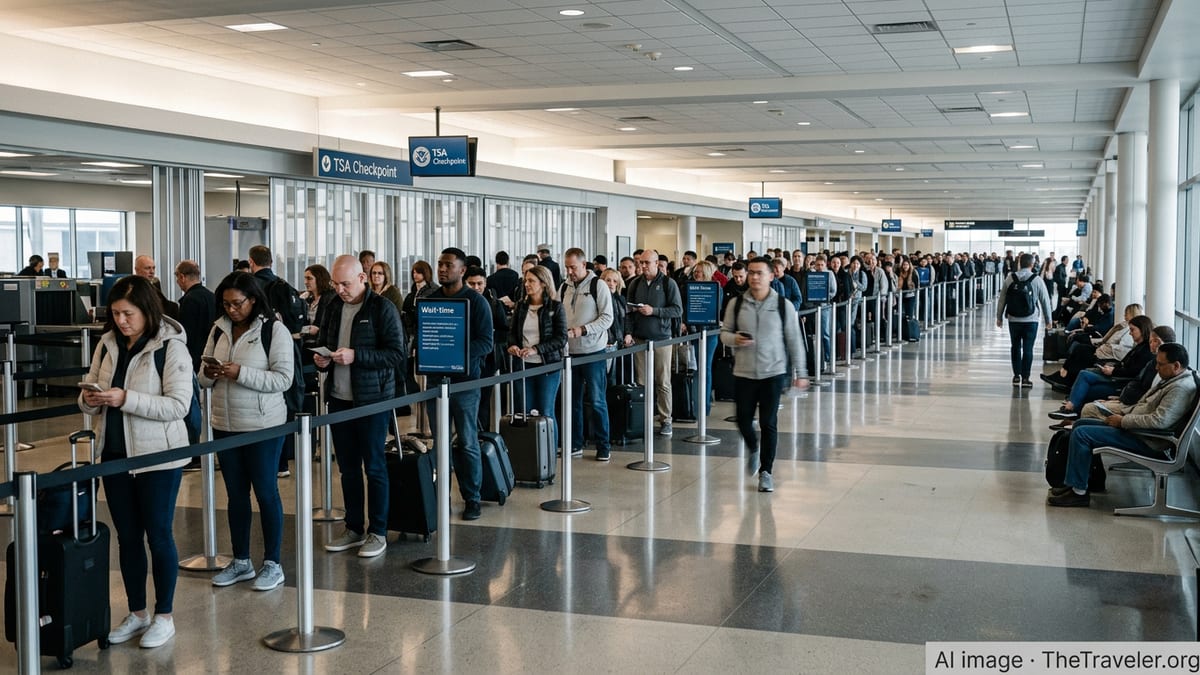
Bomb squad response halts operations at Scotland’s busiest hub
Reports from passengers and aviation tracking data indicate that operations at Edinburgh Airport were severely restricted on Friday 19 June after what was described as a suspicious package was discovered on the airfield. Bomb disposal specialists were called to the scene, prompting an immediate security operation on the ground.
Commercial traffic attempting to land at the Scottish capital was placed in holding patterns or diverted to alternative airports while the incident was assessed. Social media posts from travelers showed aircraft circling near the city and approaches being waved off as the situation unfolded.
Published coverage describes parts of the terminal being cleared and access to key operational areas reduced during the incident. Although the airport was not closed for the entire day, the combination of runway constraints and restricted ground movements effectively brought the 17 million passenger hub close to a standstill for several hours.
Flight-tracking snapshots from the period highlight a visible pause in arrivals to Edinburgh, with inbound aircraft for several carriers diverting or delaying their approaches. Outbound services were held on the ground, creating a backlog that continued even after the airport began to resume normal operations.
Major European and Gulf carriers caught in cascading delays
The disruption quickly spread across airlines that rely on Edinburgh for both point-to-point and connecting traffic. Publicly available schedules show that British Airways, easyJet and Ryanair all operate dense networks from the airport, while KLM and Lufthansa feed passengers into their Amsterdam and Frankfurt hubs. Emirates and Qatar Airways link Edinburgh with long haul routes via Dubai and Doha.
As the incident unfolded, passengers reported delays and uncertainty for short haul and long haul flights alike. Aircraft already on the ground were unable to depart on time, while those scheduled to arrive faced diversion or extended holding, creating knock-on delays for subsequent rotations across Europe and beyond.
The tightly timed schedules of low cost and hub carriers left little slack to absorb the shock. A delayed early morning or midday Edinburgh leg can ripple through afternoon and evening services, meaning disruption was felt well after the immediate security response had ended.
For Gulf carriers operating daily or near daily widebody services, delays at Edinburgh threatened to dislocate onward connections from their Middle Eastern hubs. Passengers reported concerns over missed long haul links as departure boards at the Scottish airport filled with revised times and “delayed” indicators.
Evacuation, confusion and passenger frustration inside the terminal
Accounts shared by travelers describe a confusing scene inside the terminal as the security incident developed. Some arriving passengers reported waiting extended periods for baggage with little clear information on the nature of the disruption, while others described an evacuation of portions of the building and restrictions on movement around key areas.
Ground handling bottlenecks compounded the delays. Different airlines at Edinburgh rely on a mix of contracted service providers, and passengers described being left in holding areas or unable to board, even while aircraft associated with other carriers were being repositioned or diverted. The patchwork of arrangements contributed to an uneven experience across airlines and flights.
Some customers reported heightened anxiety as the phrase “suspicious package” circulated on social media and in informal updates. With aircraft visible circling overhead and departure times repeatedly pushed back, travelers spoke of mounting concern about missed connections, hotel bookings and time-sensitive commitments.
Standard travel advice to “check with your airline” offered limited comfort while airline call centers and airport desks experienced surges in demand. In the absence of real time, unified messaging, many passengers relied on crowd-sourced information and live flight tracking apps to understand the developing situation.
Operational reset after runway reopens, but disruption lingers
Once specialist teams completed their examination of the suspicious item and the security cordon on the airfield was lifted, Edinburgh Airport gradually began to restore operations. Flights already in holding patterns were cleared to land, and departures were sequenced to move accumulated aircraft from stands and taxiways.
However, the complex task of rebalancing schedules meant disruption continued well into the day. Aircraft and crews were out of position, and airlines had to make rapid decisions about which services to prioritize, which could be turned around quickly, and which might require cancellation.
Previous operational reports for major carriers serving Edinburgh show that even routine delays can create “reactionary” knock-on effects across networks. The scale and suddenness of the bomb squad incident magnified those dynamics, translating a local security scare into a broader pattern of missed connections and late arrivals on international routes.
Passengers booked on later services, including evening departures, encountered residual delays as airlines worked through the backlog. Some travelers were rebooked onto alternative flights or routed through different hubs when onward connections became unworkable.
Renewed focus on resilience at a fast-growing Scottish gateway
The incident comes during a period of strong growth for Edinburgh Airport, which has been reporting record quarterly passenger figures and expanding its route map. The hub’s role as a key Scottish gateway for both leisure and business travel has drawn a widening mix of European low cost operators and global network airlines.
In this context, the bomb squad response highlights the vulnerability of busy mid-sized airports to sudden security events. Even a relatively short closure can have outsize consequences for carriers and travelers when runway capacity is tightly scheduled and apron space is constrained.
Aviation analysts note that airports and airlines across Europe have been working to improve communication protocols and contingency planning for such incidents, but the events in Edinburgh underline the persistent challenges of real time information-sharing and passenger care when an unplanned shutdown occurs.
For travelers, the disruption serves as a reminder to build additional buffer time into itineraries involving tight connections, particularly when traveling through fast-growing hubs that may have limited flexibility in the event of a security scare or other operational shock.