


More news on this day
Bora Bora’s turquoise lagoon, overwater bungalows and encircling reef have long defined the South Pacific dream, but rapidly warming oceans, rising seas and growing local pressures are placing the island’s fragile ecosystem under escalating strain, with implications that visitors can no longer ignore.
Get the latest news straight to your inbox!
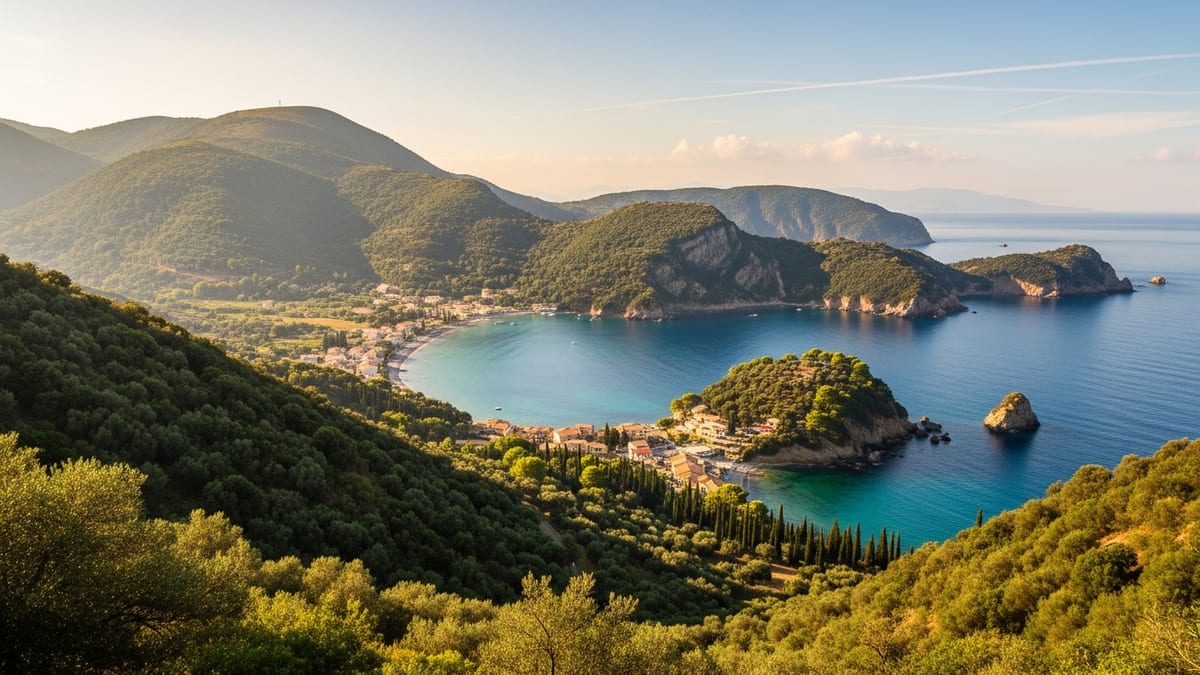
Warming Oceans Put Bora Bora’s Coral Reefs Under Pressure
Bora Bora’s lagoon and fringing reef are central to its appeal, yet they are among the ecosystems most exposed to climate change. Global ocean surface temperatures hovered near record highs again in early 2026, according to recent climate analyses, continuing a pattern of intense marine heat that has developed since 2023. Scientists involved in international monitoring efforts report that the current global coral bleaching event is one of the most extensive on record, affecting a large share of the world’s shallow reefs and adding to long term stress on coral communities.
French Polynesia is part of this broader picture. Research on coral reefs across the territory describes repeated bleaching episodes over recent decades linked to prolonged marine heatwaves. Studies cited by regional and international agencies indicate that reefs in French Polynesia have already experienced several mass bleaching events since the late 1990s, with heat stress periodically driving widespread paling and mortality of sensitive coral species. While some sites have shown an ability to recover, projections from the Intergovernmental Panel on Climate Change suggest that continued warming will make such events more frequent and severe.
For Bora Bora, where the lagoon’s clear, shallow waters are a key draw for divers and snorkelers, sustained bleaching risk carries both ecological and economic consequences. Loss of live coral reduces habitat complexity, fish diversity and the vivid colors that underpin the island’s postcard image. It can also weaken the natural wave barrier provided by the reef, leaving shorelines more vulnerable to erosion and storm damage.
Sea Level Rise, Coastal Erosion and the Changing Shoreline
Small tropical islands like Bora Bora are widely regarded in scientific and policy assessments as among the most exposed to sea level rise. United Nations briefs on small island developing states highlight a “triple threat” of higher seas, ocean warming and acidification, which together erode coastlines, damage reefs and disrupt freshwater supplies. Even modest changes in sea level can accelerate coastal retreat on low lying motu, the narrow sandy islets that ring Bora Bora’s lagoon and host many luxury resorts.
On Bora Bora, erosion concerns intersect with development pressures. Publicly available planning documents from the municipality reference long standing challenges in balancing tourism infrastructure with lagoon health, including managing wastewater, storm runoff and shoreline construction. Coastal defenses such as seawalls, if poorly designed, can increase scouring and alter natural sand movement, while clearing vegetation for buildings or beaches can destabilize dunes.
These physical changes matter for visitors as well as residents. Popular beaches may gradually narrow, and sections of shoreline that were once considered safe from high tides can experience more frequent flooding during king tides or storms. Over time, the combined effect of rising water levels and reef degradation could force costly adaptation measures for seaside hotels, ports and local communities.
Tourism, Waste and the Strain on a Delicate Lagoon
Tourism is the backbone of Bora Bora’s economy, but it is also a source of environmental pressure. Guides to sustainable travel in the region note that the island faces limitations in waste management, with restricted land area and the logistical challenges of moving refuse off a remote atoll. Inadequate disposal and runoff from land can contribute to nutrient pollution in the lagoon, encouraging algal growth that competes with coral and reduces water clarity.
Recent conservation programs focused on Bora Bora’s lagoon have reported worrying ecological shifts. Surveys carried out under local biodiversity initiatives describe declining average fish size, reductions in key species such as giant clams and sea urchins, and evidence of disturbance from boat traffic and underwater noise. In response, local authorities have established a fully protected marine sanctuary within the lagoon, with a dedicated committee overseeing zoning and usage rules.
For travelers, these developments are reshaping what responsible tourism looks like. Environmental organizations and destination specialists increasingly recommend choosing operators that limit anchor damage, avoid feeding wildlife and use slower, quieter boats for excursions. Activities such as jet skiing and high speed tours can contribute to noise and physical disturbance in shallow areas, so some visitors are opting for paddleboarding, kayaking or snorkeling trips run by companies that emphasize reef safe practices.
Health, Mosquitoes and a Warming Tropical Climate
Climate change is influencing conditions on land as well as in the sea. Reports drawing on data from French Polynesia’s health authorities indicate that warmer temperatures and shifting rainfall patterns have contributed to a rise in mosquitoes across several islands, including Bora Bora. This trend heightens concern about vector borne diseases that are already present in the wider Pacific, such as dengue and other mosquito transmitted infections.
Public information campaigns in the territory promote the use of repellents, appropriate clothing and screened or air conditioned accommodation, particularly during wetter months when mosquito populations tend to peak. Local governments have also expanded control efforts, including targeted spraying and community clean up actions to remove standing water where mosquitoes breed.
Travelers are being encouraged by health agencies to check current advisories before departure, ensure routine vaccinations are up to date and consider specialized medical guidance depending on their itinerary. While Bora Bora remains a popular and generally low risk destination for many visitors, these evolving health dynamics illustrate how rising temperatures can subtly shift the overall experience of tropical travel.
How Visitors Can Help Protect Bora Bora’s Future
The environmental pressures confronting Bora Bora are part of global climate trends, yet individual choices can influence how resilient the island’s ecosystems remain. Analysts examining tourism and climate change in Pacific islands emphasize that visitor spending can support either high impact or low impact models, depending on accommodation, transport and activity choices.
Destination specific resources highlight practical steps: selecting hotels and guesthouses that participate in verified sustainability programs, minimizing water and energy use in overwater bungalows, and avoiding single use plastics that are difficult to process on a small island. Travelers are also urged to use reef safe sunscreen formulations, respect marked marine protected zones and follow guidance from local guides about not touching coral or disturbing wildlife.
On a wider scale, climate science bodies stress that preserving reefs like Bora Bora’s ultimately depends on rapid global cuts to greenhouse gas emissions. For now, the island’s lagoon still largely lives up to its reputation, but the warning signs are visible in bleaching reports, shoreline changes and shifting species. As conditions continue to warm, the future of one of the world’s most photographed tropical landscapes will hinge on how effectively both the global community and individual visitors respond.