


More news on this day
A reader-facing case recently highlighted how a routine journey through UK border checks turned into a £380 loss when a traveller missed their flight and discovered that neither the airline, the airport nor their insurer was willing to refund them. The story has tapped into growing frustration among passengers who feel trapped between stricter security procedures and travel industry policies that treat missed departures as their own problem.
Get the latest news straight to your inbox!
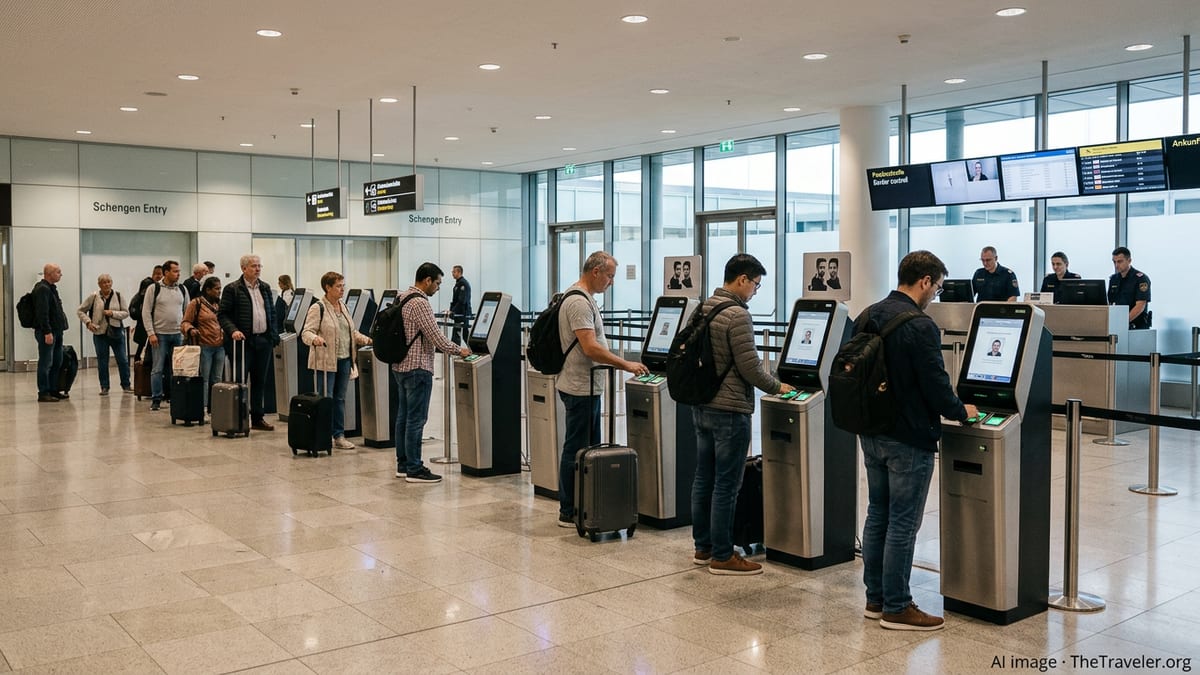
A missed flight after border checks sparks frustration
Recent coverage from UK media described how police involvement at border control delayed a passenger long enough that they missed their outbound flight, leaving them to pay £380 for a replacement ticket out of pocket. The traveller argued they had arrived at the airport in good time, but an unexpected issue during identity checks meant they were still stuck at the border after boarding had closed.
According to published accounts, various organisations were involved: airport police, border staff, the airline and the insurer. Each pointed to a different part of the fine print when the traveller tried to recover the money spent on a new flight. The experience has raised a broader question for many readers: when checks at the border or within the airport cause delays, who should pay if a passenger ultimately misses their plane?
The case also reflects a wider trend. Reports from consumer advocates show a steady stream of complaints from passengers who arrive punctually but are delayed by long queues, extra screening or administrative problems in secure areas of airports. In most instances, those delays are treated as outside the airline’s control, which has significant implications for refunds or compensation.
Why airlines say a missed departure is your responsibility
In the UK and across Europe, passenger rights in the event of disruption are largely governed by UK Regulation 261 and its EU predecessor, which set out when airlines must compensate or assist travellers. These rules focus on situations such as cancellations, long delays or denied boarding when the airline is at fault, for example because of technical issues or overbooking. Long queues at security or complications at border control are not usually categorised as airline responsibility.
Guidance from consumer bodies explains that if a traveller misses a flight because security or border queues were slow, most airlines classify this as a “no show.” That label typically means the ticket is forfeited, with no refund due on standard non‑refundable fares. Some carriers may offer a rebooking on the same day if seats are available, sometimes for a fee, but there is usually no obligation to do so.
Industry information shows that carriers differentiate sharply between disruption caused by their own operations and delays driven by third parties such as airport operators, border agencies or police. Even when passengers can demonstrate that they were in the terminal or queuing for checks well before the cut‑off time, the airline will often state that it fulfilled its part of the contract by operating the flight as scheduled and making check‑in and boarding available.
As a result, travellers like the one who lost £380 after a border‑related delay can find themselves with limited options. Unless the airline chooses to exercise discretion, the cost of buying a new ticket for the next available flight usually falls entirely on the passenger.
What role do airports, police and border agencies play?
Airports and state agencies are increasingly under scrutiny for how their procedures contribute to missed departures. Publicly available guidance from major UK airports acknowledges that security and immigration checks can be busy, but passengers are generally advised to arrive early enough to clear all formalities before boarding closes. When bottlenecks occur, airports typically state that they are not party to the air transport contract and therefore are not liable for the cost of missed flights.
In the highlighted case, a police check at the border appears to have extended the time the traveller spent between check‑in and the gate. While such interventions are often brief, even a short delay can be critical when boarding windows are tight. Yet law enforcement and border agencies operate under legal mandates related to immigration control and security, which take precedence over individual travel plans.
Published reports indicate that when passengers complain, responsibility is frequently passed between stakeholders. Airports may direct travellers to the airline, airlines may refer them to the airport or border authorities, and police involvement is normally treated as a separate matter entirely. Without a clear statutory framework assigning liability for missed flights caused by border checks, individuals can struggle to secure redress.
Campaign groups argue that greater transparency is needed around how long checks are expected to take at busy times, and whether more flexible boarding practices could reduce the risk of people being left behind despite arriving at the airport hours in advance.
Can travel insurance step in when border control causes a miss?
Many passengers assume that travel insurance will cover the cost of a missed flight in circumstances beyond their control. However, policy documents often contain narrow definitions of what constitutes a covered event. Comparison sites and insurers’ own guidance show that “missed departure” benefits are usually limited to disruptions such as major road accidents, public transport breakdowns or severe weather affecting travel to the airport, rather than delays that occur once the passenger is already inside the terminal.
In the case that left a traveller out of pocket by £380, publicly available information suggests the insurer argued that the policy did not extend to delays caused by police or border procedures after check‑in. Unless the wording explicitly lists such scenarios, insurers typically treat them as excluded. Even when cover exists, time limits, documentation requirements and excesses can erode the practical value of a claim.
Consumer advice services recommend that travellers scrutinise the “missed departure” and “delay” sections of any policy before buying, paying particular attention to where the delay must occur and what evidence is needed. Some higher‑end policies may offer broader protection, but budget products often contain tight exclusions that leave little scope for claims based on queues or checks at the airport itself.
The gap between public expectations and actual policy wording is a recurring theme. Travellers may feel that any event outside their direct control should be covered, while insurers design products around more clearly defined and quantifiable risks.
What travellers can realistically do to protect themselves
Specialist travel rights organisations say the options for passengers in these situations are limited but not nonexistent. One practical step is to arrive at the airport earlier than the minimum check‑in guidance, especially for flights from busy hubs or during peak travel periods. While this does not eliminate the risk, it provides additional buffer time if queues at security or border control are longer than expected or if extra checks are imposed.
It can also be important to keep a record of what happened. Notes on times, photographs of queues where appropriate, and any written statements from airline or airport staff may help when challenging a “no show” classification or asking a carrier to exercise discretion in waiving fees. Some passengers also pursue complaints through national consumer bodies or alternative dispute resolution schemes where these are available for airlines based in their country.
On the insurance side, travellers can look for policies that specify cover for delays within the airport environment, though such products may be more expensive. Reading policy terms closely, particularly the sections on missed departures and exclusions, can help avoid surprises later.
Ultimately, cases like the £380 loss after a border control delay expose a grey area in current travel protection frameworks. Until regulations or industry practices evolve to address the impact of increasingly complex border and security procedures, many passengers will continue to find that when checks overrun and boarding closes, the financial consequences rest largely with them.