


More news on this day
Dozens of frustrated airline passengers in Marseille rushed onto the tarmac in an attempt to stop a Ryanair jet from departing without them, after lengthy border control delays left more than 80 people stranded behind at the gate, according to multiple media reports.
Get the latest news straight to your inbox!
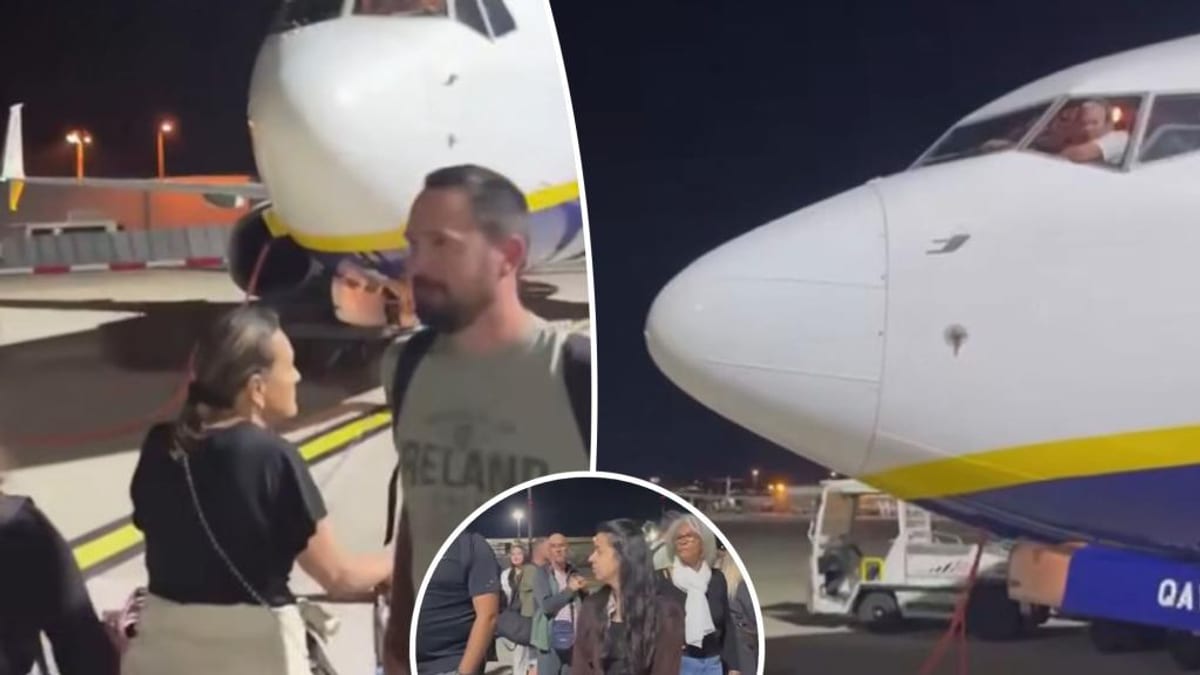
Ryanair flight departs as stranded passengers surge onto tarmac
Footage circulating in European media shows groups of passengers running across the apron at Marseille Provence Airport toward a Ryanair aircraft that was preparing for departure. Reports indicate the travelers had been booked on flight FR2640 from Marseille to Marrakesh on Saturday 18 April and had already cleared check in and security before becoming stuck in bottlenecks at passport control.
According to published coverage, the flight was scheduled to leave at 22:30 but was pushed back by several hours while non EU passengers queued for exit checks. The aircraft eventually left around 01:50, with more than 80 ticketed travelers reportedly still trapped in border control lines or held back at the gate as boarding closed. Video clips show a number of those left behind forcing open access doors and spilling onto the tarmac in a futile effort to halt the departure.
Local reporting notes that at least one woman was detained after airport systems linked to fire safety were allegedly tampered with to gain access to restricted areas. The incident prompted a temporary suspension of ground movements in the affected zone while security teams cleared the apron and ensured the aircraft could depart safely.
Border control queues blamed as EU Entry Exit System beds in
The confrontation in Marseille comes amid wider disruption across European airports following the full activation of the European Union’s new Entry Exit System on 10 April 2026. Publicly available information from airport operators and travel advisories indicates that the biometric scheme, which records the entry and exit of non EU visitors using fingerprints, facial images and passport data, has contributed to significantly longer processing times at many border posts.
Reports from Spain, Italy and France describe queues stretching well beyond the normal passport control areas, with waiting times of up to three hours as staff adapt to the new procedures and deal with technical issues. Travel industry briefings suggest that infrastructure at some terminals has struggled to cope with the space and staffing required for dedicated enrollment kiosks, pushing lines back toward general departure zones and causing knock on effects for boarding.
In Marseille, local media accounts state that the Ryanair passengers had already spent hours in the terminal before realizing that the border checks were likely to make them miss their flight. Eyewitness descriptions compiled in press coverage describe growing anger in the queue, with some travelers reportedly warning airport staff that people were in danger of taking matters into their own hands if no solution was found.
Part of a pattern of French and European airport disruption
The tarmac rush in Marseille is not an isolated episode. Earlier in April, separate coverage highlighted more than 190 passengers left behind at France’s Vatry Airport when a Ryanair service to Marrakech departed without them after prolonged security screening problems. Travel legal analysts note that in that case the aircraft reportedly left with no passengers on board following hours of disruption in the terminal, underlining the pressure faced by airlines trying to maintain schedules amid repeated bottlenecks.
Across the wider continent, data published by European aviation bodies for March and April 2026 show an uptick in average departure delays, with airport operators citing a combination of adverse weather, air traffic control staffing shortages and the introduction of the new border system. Consumer advocacy platforms tracking disruptions in recent weeks point to missed connections, last minute gate changes and flights departing with large numbers of empty seats because passengers were still stuck at passport control.
Commentary from travel rights organizations suggests that, while airlines are responsible for managing boarding and communication, many of the constraints currently affecting journeys originate with airport infrastructure and government border agencies. As a result, passengers often find themselves caught between carriers maintaining operational requirements and authorities enforcing security and immigration rules, with little clarity about who is accountable when flights leave without them.
Safety and security questions after apron incursion
Video of passengers moving freely across the apron in Marseille has raised renewed questions about how quickly tensions can spill over when long queues and poor information collide. Aviation safety specialists quoted in public analyses point out that any unauthorized presence on an active tarmac introduces additional risk, particularly if individuals approach aircraft that are refuelling, taxiing or preparing for take off.
Reports from the Marseille incident indicate that ground staff and police moved to intercept the group before they reached the aircraft’s immediate vicinity, and the Ryanair flight ultimately departed for Morocco without direct interference. Even so, airport operations were briefly disrupted while the area was secured and the travelers were escorted back into the terminal, highlighting the resource-intensive nature of such breaches.
The episode has also drawn attention to the growing frustration among passengers who feel they have limited recourse when border delays escalate. Comment sections on travel forums and social media in recent days feature numerous accounts of travelers narrowly catching flights, missing connections or being rebooked after spending hours in static lines, with some warning that similar flashpoints could occur elsewhere if conditions do not improve before the main summer holiday period.
Passenger rights and calls for system review
The Marseille tarmac rush has reignited debate about what protections travelers can rely on when border control queues cause them to miss a flight. Under the European Union’s air passenger rights framework, known as EC 261, airlines are generally not required to pay compensation when delays or missed departures are caused by extraordinary circumstances such as security incidents or government imposed procedures. Legal commentary published in recent days notes that this often leaves affected passengers dependent on goodwill policies, travel insurance or separate claims against airport operators, which can be difficult to pursue.
Industry associations representing European airports and airlines had already warned ahead of the Entry Exit System’s rollout that chronic staffing gaps and outdated border infrastructure risked generating exactly the sort of scenes now unfolding at terminals. Joint position papers issued in February 2026 urged EU institutions to review implementation plans, arguing that additional flexibility and investment were needed to prevent excessive queues and reputational damage to Europe’s travel sector.
For now, consumer advocates are advising travelers to build significantly more time into journeys that involve Schengen border crossings, especially at busy leisure hubs and connecting airports. Guidance from travel risk firms recommends arriving at least three and a half hours before international departures, carrying documentation of any delays and keeping records of communications with airlines in case rebooking or reimbursement is needed later. As the peak summer season approaches, attention will remain focused on whether border agencies can adapt systems quickly enough to avoid further flashpoints on airport tarmacs across the continent.