


More news on this day
Boston Logan International Airport is emerging as one of the most delay-prone hubs for Labor Day travelers this year, with new data showing the airport landing in the top 10 nationwide for late departures over the holiday period.
Get the latest news straight to your inbox!
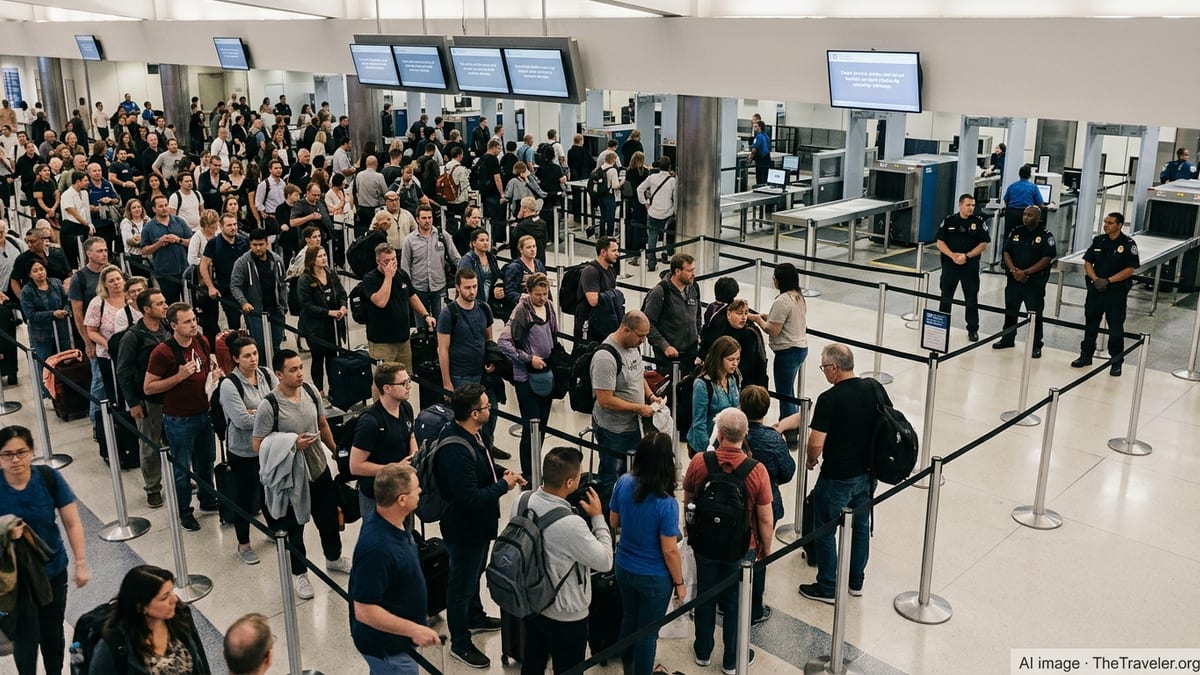
Labor Day weekend sees heavy disruption at Boston Logan
Preliminary delay tallies from flight-tracking platforms show Boston Logan struggling to keep departures running on time over the crowded Labor Day window, with hundreds of flights pushed back each day as passenger volumes surged. One recent day saw nearly 400 delayed departures and arrivals at Logan alone, according to publicly available statistics compiled by FlightAware, underscoring how quickly operations can back up at the busy New England hub.
Nationally, Labor Day has become one of the peak travel moments of the late-summer season, rivaling early-summer and Independence Day demand. That pressure is magnified at major coastal airports such as Boston, where dense schedules, limited runway capacity and fast-changing weather along the Atlantic frequently combine to slow operations. FAA traffic management advisories for Logan during late summer have noted weather-related arrival programs that can ripple through departure schedules for hours.
The result over the long weekend is a visible spike in departure boards filled with yellow and red delay notices, as aircraft and crews arrive late from other congested Northeast airports and then depart late again. For travelers, the pattern translates into missed connections, shortened vacations and late-night arrivals that can stretch a short holiday into an endurance test.
How Boston compares with other major U.S. airports
Independent analyses of federal on-time performance data suggest that Logan’s Labor Day delays are part of a broader pattern. Rankings that examine large U.S. airports with at least 50,000 annual departures currently place Boston in the bottom tier for punctuality, with an on-time departure rate hovering around the upper 70 percent range and average delays in the mid-teens in minutes. Those figures place the airport behind some inland hubs but ahead of the most delay-prone coastal gateways.
Consumer and insurance data aggregators that track annual delay shares likewise show Boston regularly appearing on lists of more-disrupted U.S. airports, especially during high-demand and holiday periods. One national review of 2024 delay and cancellation patterns highlighted Boston among airports where more than a quarter of flights experienced some form of delay, a rate that intensifies over heavy travel weekends such as Labor Day.
Even so, Logan is not among the very worst performers in the country across the entire year. Large hubs in the mid-Atlantic, Florida and the upper Midwest tend to post higher overall disruption rates. What stands out in Boston’s case is the concentration of delays during weather-sensitive periods and holiday peaks, when traffic surges past typical weekend levels and small slowdowns can compound quickly.
Weather, congestion and seasonal traffic drive delays
Multiple factors appear to be converging to push Logan into the upper ranks for Labor Day delays. FAA advisories for the airport in late summer have repeatedly cited low ceilings, thunderstorms and reduced visibility in the Northeast corridor, prompting arrival and departure management programs for Boston. When those programs are in effect, inbound traffic is metered into the airport at lower rates, forcing airlines to hold or reroute flights and often delaying subsequent departures.
Boston’s position as a coastal airport exposed to Atlantic systems also makes it vulnerable to rapidly developing storms during late summer. Seasonal weather analyses show Logan among the U.S. airports with a relatively high share of weather-related delays during the broader holiday season, reflecting the impact of fog, rain and wind on runway operations. Those conditions can reduce the number of arrivals and departures the airfield can safely handle each hour, even when skies appear relatively calm from the terminal windows.
Congestion on the ground is another contributor. Passenger traffic at Logan has grown to more than 43 million travelers annually, making it one of North America’s 20 busiest airports. More flights, fuller schedules and tight bank structures for carriers such as JetBlue and other major domestic airlines leave limited room to absorb disruptions. When a holiday weekend combines strong leisure demand with unsettled weather, even minor operational issues can snowball into widespread lateness.
Boston-area travelers adapt to recurring disruption
For New England travelers, the Labor Day delay surge at Logan fits into a familiar pattern of seasonal disruption. Online forums, pilot discussions and traveler reports over the past two summers highlight repeated instances of multi-hour holds, late-night gate changes and rolling departure estimates at the airport, often tied to thunderstorms, air traffic control constraints or temporary infrastructure issues such as fuel system interruptions.
Regional travel organizations have advised passengers using Boston during peak weekends to adjust plans accordingly, recommending early-morning departures when possible and suggesting longer connection windows at major hubs. Data analyses from AAA and other travel groups indicate that flights departing in the first half of the day are significantly more likely to operate on time from Logan than those scheduled for late afternoon or evening, when delays from elsewhere in the system arrive and propagate.
Some travelers are also shifting to alternative modes or routes when schedules allow, including driving to secondary New England airports or choosing rail for shorter regional trips during holiday peaks. However, Logan’s role as the region’s primary international and long-haul gateway means that for many, especially on transcontinental and overseas routes, there is little practical substitute during major travel weekends.
What to watch for the rest of the holiday period
As the Labor Day travel window continues, operational data from the FAA’s traffic management system and flight-tracking platforms will show whether Boston Logan remains among the most delay-prone U.S. hubs or if performance stabilizes as weather patterns shift. Real-time FAA maps for the Northeast already document recurring arrival and departure management initiatives for Boston during unsettled conditions, a sign that the system is operating near capacity.
Travel planners monitoring these feeds note that even when no major storms are present over the airport itself, wider regional weather across New England and the mid-Atlantic can trigger restrictions that affect Boston-bound and Boston-originating flights. With passenger demand expected to stay elevated through the end of the holiday period, further rounds of rolling delays remain possible, particularly during the busiest afternoon and evening departure banks.
For now, publicly available performance data and independent rankings align in placing Boston Logan among the country’s top 10 airports for Labor Day weekend delays, reflecting the pressures facing one of the nation’s busiest coastal gateways at the close of the summer travel season.
FlightAware: Boston Logan recent delay and cancellation statistics
FlightRecord: Most delayed major U.S. airports rankings