


More news on this day
Brazil has joined a powerful bloc of Central and South American markets that are increasingly shaping the recovery of U.S. tourism in 2026, with new figures showing visitors from Brazil, Argentina, Colombia, Peru, Costa Rica, Guatemala, Panama and Honduras delivering some of the fastest growth in arrivals and travel spending across the United States.
Get the latest news straight to your inbox!
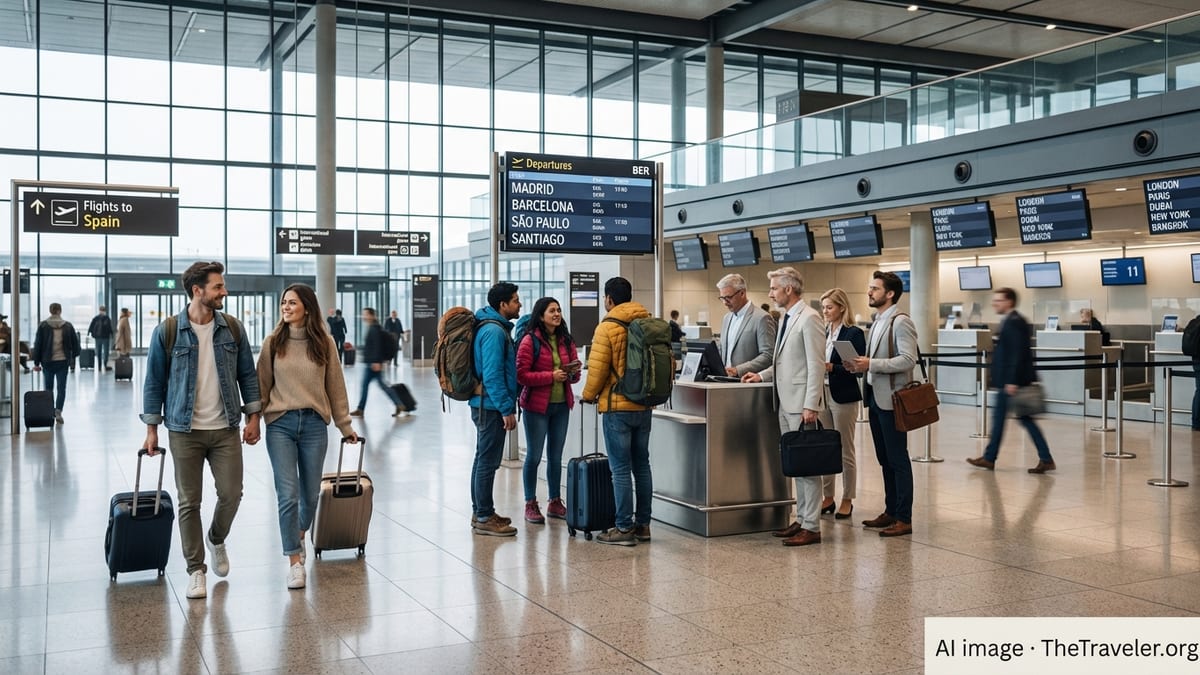
Latin America Emerges as a Top Growth Engine for U.S. Inbound Travel
Recent forecasts from U.S. and international tourism bodies indicate that international inbound travel to the United States is regaining momentum in 2026 after a softer 2025, and that the Americas are outpacing the global average. Research cited by the U.S. Travel Association points to a return to growth in international visitor spending this year, with Latin America highlighted as one of the regions delivering above-trend gains as airlines restore capacity and visa processing gradually improves.
Economic impact analysis from the World Travel & Tourism Council and other industry trackers shows that travel and tourism GDP across Central and South America is projected to grow more quickly than worldwide averages in 2026, supported by expanding middle classes, stabilizing inflation in key economies and an ongoing preference for international leisure travel among younger consumers. That momentum is increasingly spilling into outbound trips to the United States, with tourism boards and destination marketing organizations reporting stronger bookings from regional gateways into Florida, California, Texas and New York in particular.
At the same time, the National Travel and Tourism Office’s medium-term outlook anticipates a steady increase in total international visitors to the United States through 2030, with Latin American markets contributing a rising share of total overseas arrivals. Publicly available forecasts describe a scenario where incremental gains from nearby source markets help offset more uneven demand from parts of Europe and Asia, making the Americas a critical pillar of the U.S. inbound recovery story.
Brazil Consolidates Its Lead as a High-Spending Source Market
Within this regional surge, Brazil has reasserted itself as a cornerstone of U.S. tourism demand. Trade and tourism briefings from U.S. government agencies show that nearly 1.9 million Brazilians visited the United States in 2024, spending more than 9 billion dollars on travel and related services, and updated projections indicate that both visitor volume and spending are rising again in 2025 and 2026. These trends position Brazil among the top overseas markets for U.S. inbound travel, both in terms of headcount and economic impact.
Brand-focused promotional efforts have intensified in response. In March 2026, Brand USA staged its inaugural Travel Week South America in Rio de Janeiro, using the event to underscore the region’s rapid growth and Brazil’s role as its largest single source market. According to publicly available information from the organization, Brazilian leisure travelers to the United States now average more than 3,000 dollars in trip spending, reflecting strong demand for premium shopping, dining, entertainment and multi-city itineraries that often combine major gateways like Miami and Orlando with secondary destinations.
Brazil’s domestic tourism has also been expanding, creating a more travel-experienced middle class that is accustomed to booking online and using international credit cards. National statistics compiled for 2025 show record inbound tourism to Brazil itself, but they also point to a sustained rise in Brazilians traveling abroad, reinforcing a long-standing pattern in which outbound spending exceeds inbound receipts. For U.S. destinations, this means Brazilian travelers are likely to remain both frequent and high-value visitors, particularly as new air routes and marketing campaigns target secondary cities beyond traditional hubs.
Central American Markets Post Double-Digit Gains
While Brazil and its South American neighbors draw much of the attention, smaller Central American countries are posting some of the most striking percentage gains in demand for U.S. travel. Industry analyses referencing airline booking data and search trends point to Guatemala, Honduras, Costa Rica and Panama among the markets with the fastest year-over-year growth in interest and confirmed travel to the United States in early 2026.
Several factors are driving this uptick. Low-cost carriers and regional airlines have expanded capacity on routes linking cities such as Guatemala City, San Pedro Sula, San José and Panama City with U.S. hubs in the southeast and southwest, improving access and reducing average fares. Air service developments, including the restoration of cross-border regional routes, are feeding traffic into larger international networks that connect via Mexico, the Caribbean and major U.S. airports.
Remittance flows and tight family connections between Central America and large diaspora communities in the United States continue to support resilient demand for travel that mixes leisure, business and visiting friends and relatives. Reports from economic research teams at global payment companies for early 2026 suggest that cross-border card spending on travel from Central America to the United States is rising at a faster clip than overall consumer expenditures, underscoring how travel remains a priority in household budgets even as inflation pressures linger.
Argentina, Colombia and Peru Extend South America’s Reach Across the U.S.
Beyond Brazil, a cluster of South American markets is rapidly expanding its footprint across the United States. Publicly available data summaries from Brand USA’s recent activities indicate that Argentina, Colombia and Peru all posted solid growth in arrivals to the United States in 2025, with that trend continuing into 2026 as airlines restore pre-pandemic capacity and add frequencies on popular routes to Miami, New York, Los Angeles and Houston.
These travelers are spreading beyond the classic entry points. Travel industry reporting and search trend analyses suggest that Argentine and Colombian visitors are increasingly incorporating secondary destinations such as mountain and desert regions in the western United States, as well as cultural hubs in the Midwest and smaller coastal cities along the Atlantic and Gulf coasts. Package operators and online travel agencies are marketing multi-state itineraries that combine major urban centers with national parks, wine regions and ski resorts to capture growing interest in nature, gastronomy and outdoor recreation.
Peru, in particular, has seen a rise in outbound middle-class travel as its aviation market modernizes and new long-haul aircraft come into service. Combined with stronger promotion of U.S. destinations at trade fairs and consumer travel shows across Lima and other cities, this has helped to broaden awareness of experiences beyond shopping and theme parks. Available economic impact estimates suggest that South American visitors from these markets are staying longer and spending more per day than many short-haul travelers, further amplifying their importance for local economies in the United States.
Rising Spending, New Events and Competitive Challenges Ahead
Despite headwinds such as higher airfares and lingering visa processing backlogs, overall travel spending in the United States is projected to set a new record in 2026. The U.S. Travel Association’s spring forecast points to total travel expenditures approaching or exceeding 1.37 trillion dollars, with international inbound travel moving back into positive territory after a decline in 2025. Analysts note that rising inflows from Central and South America are a key component of that modest but meaningful rebound in foreign visitor spending.
Major events on the U.S. calendar are expected to provide additional pull for travelers from the region. Economic assessments tied to the men’s football World Cup being co-hosted by the United States in 2026 project tens of billions of dollars in additional economic output, much of it linked to tourism, hospitality and event services. Latin American fans are forecast to represent a significant portion of international spectators, reinforcing air links and potentially encouraging first-time visitors to extend their stays beyond host cities.
However, competition for these travelers is intensifying. Reports from regional tourism bodies and private-sector analysts highlight that Latin American travelers are weighing the United States against alternative long-haul options in Europe and the Caribbean, where some destinations have streamlined entry processes and rolled out aggressive promotional campaigns. Industry observers argue that maintaining the current growth trajectory from markets such as Brazil, Argentina, Colombia, Peru, Costa Rica, Guatemala, Panama and Honduras will depend on sustained investment in marketing, more efficient consular services and continued air connectivity improvements.
For now, the data suggest that Central and South America have become the fastest-growing drivers of U.S. tourism in 2026, delivering both higher volumes and disproportionately strong spending. As the recovery matures, these markets are poised to play an even larger role in shaping where, when and how international visitors experience the United States.