


More news on this day
More than 100 passengers on a long distance Tilt Train service out of Brisbane faced an unexpected six hour ordeal this week after a power fault north of the city left the train stranded in humid overnight conditions and disrupted rail traffic along Queensland’s busy North Coast line.
Get the latest news straight to your inbox!
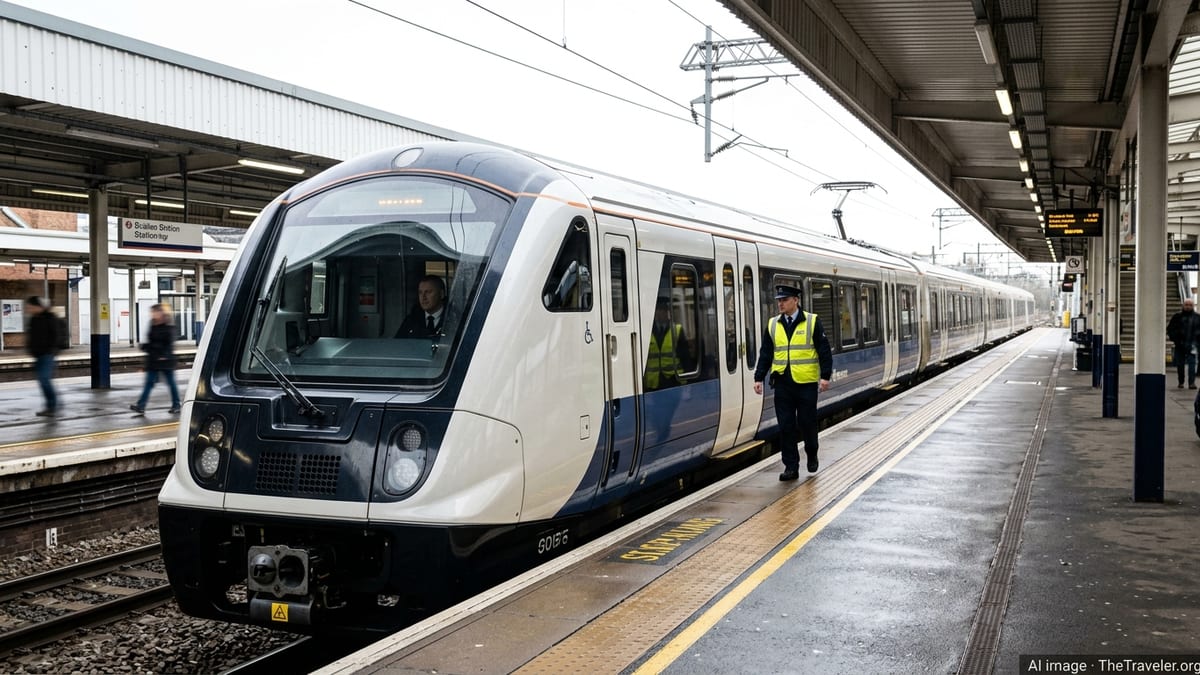
Overnight breakdown strands Tilt Train north of Brisbane
According to multiple news and travel reports, the incident occurred on the northbound Tilt Train that left Roma Street station in central Brisbane on Wednesday afternoon, bound for Bundaberg and the Fraser Coast. The service came to a halt near Gundiah, a rural locality between Gympie and Maryborough, after damage to overhead power infrastructure cut electricity to the train.
Reports indicate that about 100 to 110 passengers remained on board for around six hours while crews worked to assess the fault and organize alternative transport. With the air conditioning offline and catering services unable to operate normally, passengers described being supplied only with drinking water for much of the night while they waited for buses to reach the remote location.
Publicly available information shows that the breakdown took place on a key section of the North Coast line used by both long distance passenger services and heavy freight. The loss of power effectively immobilized the Tilt Train where it stopped, making it impossible to move to a nearby station or platform where passengers could disembark more easily.
While there were no reports of injury, the length of the delay and the conditions on board have prompted renewed scrutiny of how Queensland’s long distance network copes when severe weather or power faults strike far from major population centres.
Weather, powerlines and a vulnerable stretch of track
Travel coverage and local media link the incident to a broader weather system that swept across southeast and central Queensland this week, bringing high winds and storms to areas north and south of Brisbane. In the Gundiah area, that weather appears to have contributed to damage to overhead powerlines feeding the North Coast line, cutting supply to the stranded Tilt Train.
The North Coast line is the rail spine that connects Brisbane with the Sunshine Coast, Fraser Coast, central Queensland and beyond. North of Gympie, the route becomes more remote, with long gaps between road crossings and limited local bus capacity, factors that can complicate evacuation efforts when a train stops between stations.
Public information from Queensland Rail and state transport agencies highlights the importance of this corridor for both tourism and regional communities. Services such as the Tilt Train and the Spirit of Queensland link Brisbane with coastal hubs including Bundaberg, Rockhampton and Cairns, while freight trains carry agricultural produce, minerals and consumer goods along the same tracks.
The Gundiah breakdown underlines how a single failure in overhead infrastructure can ripple through this entire system, blocking long distance passenger movements and delaying freight services for many hours while specialist crews and equipment reach the site and complete repairs.
Disruption spreads across Queensland’s North Coast services
According to published coverage, the six hour stoppage forced Queensland Rail Travel to cancel or heavily delay subsequent services on the North Coast line. Passengers booked on later Tilt Train and Spirit of Queensland departures faced altered timetables, changed boarding times and in some cases replacement road transport while the overhead network was inspected.
Public notices cited in travel reports indicate that long distance services north of Gympie were disrupted for much of Thursday as technicians checked the affected section of line and restored normal operations. Freight operators using the corridor also experienced delays, with some trains held at passing loops or major yards south of the damage until the route was cleared.
For travellers with fixed connections, such as onward flights or accommodation bookings along the coast, the disruption created a cascade of changes. Queensland Rail’s own disruption guidelines note that, in major incidents, replacement coaches can be difficult to source quickly across multiple regions, especially when bad weather is affecting roads as well as tracks.
The episode illustrates the particular vulnerability of long distance passengers: unlike Brisbane’s suburban commuters, who may be only minutes from an alternative bus or ride share when a train fails, those aboard a regional service late at night often have few immediate options beyond waiting for rail or road rescue teams to arrive.
Passenger comfort and safety questions after six hour wait
Accounts compiled in media and social coverage describe uncomfortable scenes on board the stalled train, with hot conditions, limited ventilation and no formal meal service once power was lost. While the train crew distributed water and maintained contact with control centres, passengers remained confined to the carriages until it was considered safe to transfer them to waiting buses.
Publicly available Queensland Rail material on safety and security emphasises that trains are fitted with emergency communication systems linking passengers to on board staff, and that staff are trained to manage incidents until external responders arrive. The Gundiah incident appears to have followed that pattern, but the extended duration of the stoppage has raised discussion among travellers about how emergency supplies, information updates and welfare checks are handled during prolonged delays.
Some commentary has focused on communication, with passengers reporting uncertainty about how long they would be stuck and whether the train might be moved again. This reflects broader concerns regularly voiced by Brisbane rail users when disruptions occur closer to the city, where sudden timetable changes without clear explanations have already been a point of frustration during a period of reduced suburban services.
Rail safety specialists have long pointed to the importance of clear, frequent announcements, backup power options for lighting and communications, and practical contingency plans for heat, cold and accessibility needs during extended stoppages. While formal investigations into the Gundiah breakdown, if any, had not been publicly detailed at the time of writing, the incident is likely to feed into ongoing discussions about resilience on Queensland’s passenger network.
What the incident means for future Queensland rail travel
The six hour entrapment of passengers on the northbound Tilt Train highlights both the appeal and the fragility of long distance rail as a travel choice in Queensland. The service that failed is one of the state’s flagship intercity links, marketed for its comfort, speed and scenic views between Brisbane and key coastal destinations. The breakdown shows that, in remote sections, even modern rolling stock remains dependent on overhead power and rapid access for maintenance teams.
For travellers planning upcoming journeys, publicly available advice from Queensland Rail Travel encourages checking service updates on the day of departure, arriving early at Roma Street and other staffed stations, and providing contact details when booking so that delay notifications can be sent if schedules change. After this week’s incident, such precautions may feel less like fine print and more like essential planning.
Tourism operators along the Fraser Coast and central Queensland are also watching closely. Passenger rail is an important feeder for tours, island transfers and regional events, especially for visitors who prefer not to drive long distances. Extended disruptions on the North Coast line can reduce arrivals, compress itineraries or push travellers to shift to flights and long haul coaches instead.
At the same time, the Gundiah event has renewed attention on investment already under way in Queensland’s rail network, including new rolling stock, signalling upgrades and resilience work ahead of major events later in the decade. For regular passengers and first time visitors alike, the key question is whether those projects will translate into a system that can recover more quickly when storms and power faults strike, so that a six hour wait in a darkened carriage north of Brisbane becomes a rarer experience on one of Australia’s busiest regional rail corridors.