


More news on this day
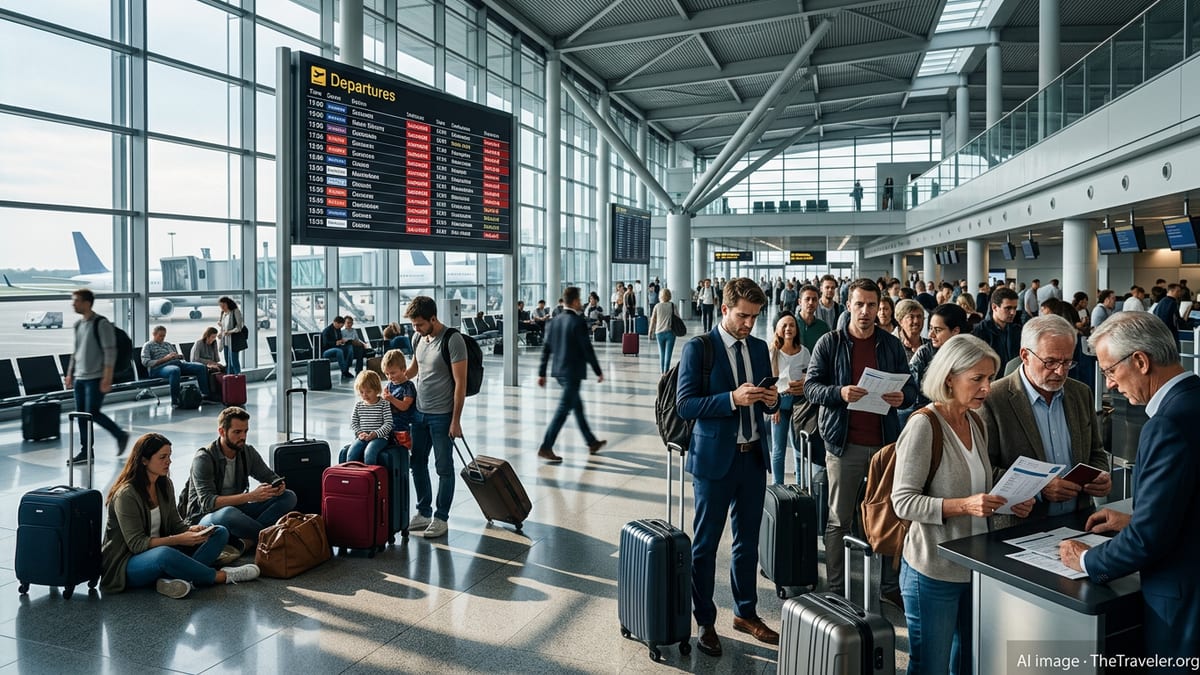
Diwali holiday plans for hundreds of passengers unraveled this week at Ahmedabad’s Sardar Vallabhbhai Patel International Airport, as a wave of last minute flight cancellations and rolling delays left travelers stranded for hours and, in some cases, facing the loss of their festive vacations altogether.
Get the latest news straight to your inbox!
Festive rush collides with mounting disruptions
The disruption has come at the height of India’s Diwali travel window, when demand for flights from Ahmedabad typically surges and fares climb sharply on key leisure and hometown routes. Local media coverage indicates that daily passenger footfall at Sardar Vallabhbhai Patel International Airport rose from roughly 36,000 to more than 40,000 travelers during the festive week, putting additional pressure on airlines and ground operations.
Reports from Ahmedabad-based outlets describe a pattern that began around the weekend of November 7, 2026, when multiple domestic SpiceJet services from the city were either significantly delayed or canceled, disrupting departures to destinations such as Bagdogra and Srinagar. In one case, a SpiceJet Ahmedabad to Srinagar service reportedly left 189 passengers waiting for over 12 hours after check in and baggage drop, with travelers describing limited access to food and medicine as they waited for clarity on departure.
At the same time, sharp increases in seasonal airfares made rebooking difficult for affected Diwali travelers. Coverage from city newspapers shows return fares from Ahmedabad to popular holiday destinations such as Goa and Bagdogra spiking 15 to 20 per cent in the 10 days leading up to the festival, leaving stranded passengers facing steep additional costs if they tried to salvage last minute breaks.
Airport advisories ahead of the festival had already urged passengers to arrive early because of heavy road congestion around the terminal and longer queues at security. The combination of larger crowds, increased flight activity and irregular operations has now turned routine pre holiday congestion into wider disruption for some routes.
SpiceJet cancellations hit both holiday and work travel
The most visible flashpoint of the current disruption has been the performance of SpiceJet services at Ahmedabad. According to regional news reports, a cluster of the airline’s flights from the city faced cancellations or lengthy delays from November 7 onward, affecting both domestic holidaymakers and international workers returning to the Gulf after Diwali.
On November 7, local coverage documented several SpiceJet departures from Ahmedabad that were canceled close to departure time or held for extended periods, with passengers already airside. Travelers headed for leisure destinations, including the northeast via Bagdogra, reported being repeatedly reassured that services would operate before eventually being informed that flights would not depart, forcing them to scramble for alternative connections during one of the busiest booking periods of the year.
The disruption intensified on November 13, when a SpiceJet service from Ahmedabad to Dubai was canceled on the morning of departure. Reports indicate that this left passengers from Gujarat and other states such as Bihar and Rajasthan stranded at the airport, including some who were trying to return to their jobs in the United Arab Emirates at the end of the Diwali break. Separate coverage suggests that the cancellation was linked to unpaid dues at Dubai, although full operational details have not been publicly clarified.
Consumer rights and flight disruption platforms have noted that hundreds of passengers may have been affected by the sequence of Ahmedabad cancellations and delays through the Diwali period. Guidance circulating online is drawing attention to passenger rights under Indian and international regulations, including potential entitlement to refunds, meal vouchers, hotel stays or alternative transport where cancellations are not directly caused by extraordinary circumstances such as severe weather or airspace closures.
IndiGo schedule changes add to airport turmoil
While SpiceJet has attracted much of the attention, it is not the only carrier whose schedule changes have unsettled Diwali travel plans at Ahmedabad. Coverage from the city on November 12 described last minute cancellations by IndiGo on at least two regional routes, including services to Nashik and Bhopal.
One Ahmedabad to Nashik flight, identified in reports as IndiGo 6E 7114 and scheduled to depart around 4:05 p.m., was canceled after passengers had completed check in and baggage formalities. Travelers were reportedly informed of the decision shortly before departure, sparking protests in the departure area and adding to a sense of instability around short haul schedules from the airport during the festive week.
The abrupt cancellations follow a period in which IndiGo, the country’s largest carrier by market share, has already been under scrutiny for operational resilience. National aviation coverage in recent months has pointed to previous strains linked to crew availability and scheduling rules for the airline, although there is no official confirmation that similar factors played a role in the Ahmedabad incidents.
For travelers, the key impact has been practical rather than technical. Those booked on cancelled regional flights during Diwali reported difficulties securing same day alternatives from Ahmedabad, given limited frequencies on some city pairs and elevated fares on remaining options. Many faced the prospect of truncated holidays, missed family gatherings or the need to undertake last minute overnight road journeys as an alternative.
Stranded passengers test airport handling and support
The rolling disruptions have raised wider questions about how airlines and airport stakeholders manage passenger care obligations in India during peak travel periods. Video clips and social media posts from Ahmedabad this week show long lines at airline counters and groups of passengers gathered at gates seeking information about delayed departures or cancelled services.
Local news coverage has highlighted recurring complaints about communication lapses, including announcements that initially referred to short technical delays, followed later by notifications of extended holds or full cancellations. In at least one reported instance involving a repeated Ahmedabad to Dubai cancellation, frustrated passengers recounted being told by airline staff that further queries should be made by email, with limited on the spot solutions offered at the airport.
Publicly available guidance from India’s aviation regulator outlines specific responsibilities for airlines during lengthy delays and cancellations, including the provision of meals and refreshments, hotel accommodation where overnight stays become necessary, and timely rerouting or full refunds. Consumer advocates active on travel forums have urged affected Ahmedabad passengers to keep boarding passes, receipts and written communication from carriers so that they can document claims where promised support was not provided.
The situation is also drawing attention to the role of airport infrastructure and coordination in managing disruption. Sardar Vallabhbhai Patel International Airport has undergone upgrades in recent years, including expanded facilities at Terminal 2, but the Diwali experience suggests that even improved terminals can face pressure when multiple cancellations converge during the busiest days of the year.
What Diwali travelers should know before flying from Ahmedabad
For travelers still due to fly into or out of Ahmedabad in the post Diwali return wave, publicly available information from the airport and local authorities underscores a few practical steps. Advisories ahead of the festival recommended arriving at the terminal well in advance, particularly for morning departures, to account for road congestion and longer queues at check in and security.
Given the recent pattern of disruptions, travel specialists also recommend monitoring flight status across multiple channels, including airline apps and airport information screens, rather than relying solely on original booking confirmations. Where possible, passengers are encouraged to confirm that onward connections, such as trains or regional flights from other cities, include adequate buffers to absorb potential delays from Ahmedabad.
On the financial side, the combination of elevated festive fares and irregular operations has renewed interest in travel insurance that covers missed departures and extended delays. Some consumer advice platforms additionally suggest that passengers use payment methods that offer built in travel protections, as well as familiarize themselves with refund and compensation policies before departure.
With the core Diwali travel period still under way, the experience at Ahmedabad serves as a reminder of how quickly holiday journeys can be derailed when operational weaknesses coincide with peak seasonal demand. For now, publicly available reports point to a challenging festive season for many flyers using the city’s airport, even as flights continue to operate at near full loads on routes that remain unaffected.