


The British Airways American Express cards are marketed as the golden ticket to business class seats and “free” flights paid for with Avios. In reality, the value is far more nuanced. Between rising fees, complex voucher rules and tough reward availability, many UK travellers discover that the British Airways American Express Premium Plus and its free counterpart are only worth it in very specific circumstances. Here is the harsh truth about what these cards really offer in 2026, and when you might be better off looking elsewhere.
Get the latest updates straight to your inbox!
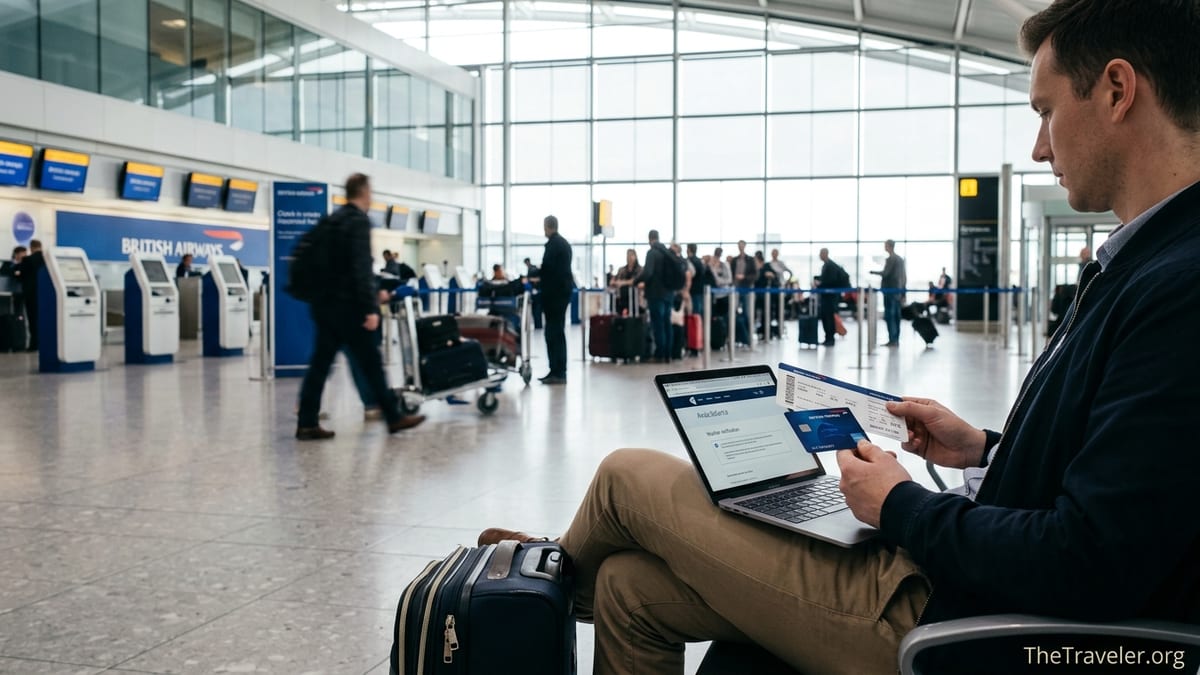
What the British Airways American Express Cards Actually Give You in 2026
In the UK, the British Airways American Express range is built around two main products: the fee-free British Airways American Express Credit Card and the British Airways American Express Premium Plus Card. Both earn Avios on day-to-day spending and both can trigger a British Airways companion voucher when you hit a set annual spend on the card. The Premium Plus version adds a higher earn rate, access to more premium cabins when using the voucher and a more flexible voucher design, but this comes with a chunky annual fee that has risen over time.
As of 2026, publicly available information shows the Premium Plus card carrying an annual fee of around £300, an earn rate of 1.5 Avios per £1 on most purchases and 3 Avios per £1 on British Airways flights and holidays, together with a sign-up bonus often positioned around 30,000 Avios when you meet a minimum spend in the first three months. The free card typically earns 1 Avios per £1 on most spending with a lower threshold for earning a less flexible companion voucher. While exact introductory bonuses and promotional terms move around, this structure has remained broadly consistent in recent years.
On paper, the proposition looks compelling: pay a fee, put your everyday spending on the card, collect Avios at an elevated rate and, once you hit the annual spend target, unlock a companion voucher that can deliver outsized value on long-haul premium cabins. For a couple dreaming of Club World seats to the Maldives or Barbados, it sounds like a no-brainer. The friction only becomes visible once you look closely at how the vouchers work, how reward pricing is set, and how difficult it can be to find the seats you actually want.
The Companion Voucher: Powerful, But Not a Magic Key
The centrepiece of the British Airways American Express strategy is the companion voucher. On the Premium Plus card, spending £15,000 in a cardmembership year earns a voucher that can be used either to take a second passenger on the same reward flight in the same cabin for no additional Avios, or, if you travel alone, to halve the Avios required for a solo redemption. You still pay all taxes, fees and carrier charges for every passenger. The voucher is valid across all cabins on British Airways, Aer Lingus and Iberia, subject to availability.
In practical terms, the voucher is potentially most valuable for long-haul business class on British Airways, such as London Heathrow to New York, Los Angeles or Singapore. A typical off-peak Avios price for a return Club World reward flight from London to New York might sit in the region of 100,000 to 120,000 Avios per person, plus several hundred pounds in taxes and surcharges. With a companion voucher, a couple could be looking at something like 120,000 Avios total for two people instead of 240,000, though they would still pay roughly the same carrier charges for both travellers. For families or couples who can plan far ahead and have plenty of Avios, this can easily offset the annual card fee.
The harsh truth is that this upside is tightly constrained. You must find reward availability at the right Avios band and on the right dates, and British Airways uses peak and off-peak calendars that significantly change the price. If you can only travel in August or over Christmas, you will often be paying the higher peak Avios rates, which immediately erode some of the headline value. On top of this, British Airways has introduced more nuanced Avios & Money options where choosing lower cash co-pays tends to push the Avios requirement higher, and voucher bookings often force you into using those higher-Avios, lower-cash combinations. The voucher does not guarantee a cheap flight; it only discounts the Avios portion of the price you are offered.
Fees, Foreign Exchange Charges and the Real Cost of “Free” Flights
When evaluating the British Airways American Express Premium Plus card, you have to look beyond the headline fee and factor in ongoing costs. The annual fee, sitting around £300 in 2026, is the first obvious hit. For a household that spends £15,000 per year on cards, that fee is effectively a 2 percent surcharge on their annual card turnover before you even start calculating Avios value. If you are not redeeming for high-value long-haul premium cabins at least every other year, the fee alone can outweigh the benefits.
An even more insidious cost is foreign exchange fees. American Express UK personal cards, including the BA-branded ones, typically charge a foreign transaction fee of just under 3 percent on purchases in non-sterling currencies. That means a family who charges £2,000 worth of hotel bills and restaurant tabs in the eurozone over a summer holiday might pay close to £60 in FX fees, plus interest if they do not clear the balance in full. In theory you are collecting extra Avios, but in practice you are overpaying for the privilege and could have spent that money on a 0 percent FX fee card instead.
The taxes, fees and carrier charges on British Airways reward tickets further complicate the “free flight” story. A London to New York Club World return reward ticket for one person can easily attract surcharges of £600 or more, and two passengers can cross the £1,000 mark or higher when airport fees and UK Air Passenger Duty are included. Even in economy, it is not unusual to see long-haul reward tickets requiring £300 to £400 per person in cash payments. For a couple using a companion voucher, this can mean burning six figures of Avios and still paying a four-figure cash sum. For some trips, paying cash for a competitive airline sale fare can be cheaper and much simpler.
Availability Frustrations: When the Seats You Want Never Appear
British Airways does guarantee that a minimum number of Avios seats are released on every flight when schedules open, which in theory should help companion voucher holders. In practice, those seats may not be in the cabin or on the date you need, particularly during school holidays. Popular routes such as London to the Maldives, Caribbean islands like Barbados and Mauritius, or West Coast US cities routinely see Club World reward seats snapped up almost the moment they appear.
The Premium Plus companion voucher does unlock access to additional reward flight seats, especially in business class, beyond the standard minimum Avios inventory. This is heavily marketed as a key differentiator versus competitor products. However, extra inventory is still limited and demand from UK-based Avios collectors has grown rapidly, fuelled by promotions, household accounts and the spread of Avios-earning cards from other providers such as Barclays. The result is that even with a voucher and a healthy Avios balance, you may have to be willing to depart from a different UK airport, accept sub-optimal dates, or route via Iberia through Madrid to reach Latin America.
A common real-world scenario is a family of four where only one adult holds a voucher. They may find two Club World reward seats on the day they want and can use the voucher to cover both adults, but then discover there are no additional business class seats available for the children on the same flight. Splitting the family across cabins is rarely appealing, and alternative dates might be limited. Many cardholders end up compromising on cabin, destination or travel dates to avoid orphaning their voucher entirely. The psychological frustration of “chasing availability” can be a real cost that rarely appears in glossy marketing.
Comparing BA Amex With Barclays Avios and Other Alternatives
The biggest challenge to the British Airways American Express cards in recent years has come from Barclaycard’s Avios range, especially the Barclaycard Avios Plus Mastercard. This card typically matches the Premium Plus Amex on core earn rate at around 1.5 Avios per £1 on general spending, and it also offers an upgrade voucher when you pass a set annual spend threshold. Rather than giving a second seat, the Barclays voucher lets you book a reward flight in a higher cabin while paying the Avios price of the cabin below, subject to availability. For example, you might book a Club World business class seat for the Avios you would normally pay for World Traveller Plus premium economy.
Crucially, Mastercard acceptance in the UK is much wider than American Express. Large supermarket chains, budget retailers and many small businesses still do not take Amex or impose card minimums that discourage its use. A household that struggles to put £15,000 of annual spend through a BA Amex may find it much easier to direct that volume onto a Barclaycard Avios Plus, especially once you include council tax portals, car insurance payments and subscription services that do not pass through Amex rails. If you cannot hit the spend requirement comfortably, the BA Amex voucher becomes a theoretical perk rather than a real benefit.
There are also strong non-Avios alternatives. Some UK travellers now pair a fee-free or low-fee Visa or Mastercard that offers cashback or flexible points, such as those tied to bank current accounts, with a separate 0 percent FX card for travel abroad. They then buy Avios directly during occasional promotions or use cash to purchase competitive British Airways sale fares. For someone who flies BA economy to Europe once or twice a year and occasionally takes a long-haul holiday in premium economy, the complexity of chasing a BA Amex voucher can offer little incremental value over this simpler strategy.
When the BA Amex Cards Make Sense for Travellers
Despite their flaws, the British Airways American Express cards can still be very valuable in the right circumstances. The ideal Premium Plus cardholder is a UK-based traveller who flies British Airways or its partners regularly, can comfortably spend at least £15,000 per year on Amex-accepting merchants, and values long-haul business class redemptions to destinations where cash fares are expensive. A consultant who bills large client expenses, a family paying independent school fees that accept Amex, or a couple renovating a home using Amex-friendly builders and suppliers are all realistic examples.
Consider a pair of travellers planning a London to Tokyo trip in Club World during an off-peak period. If a return cash business class ticket would cost around £3,000 per person, two tickets are £6,000. Using a well-planned companion voucher redemption, they might use around 180,000 to 200,000 Avios for both passengers plus perhaps £1,300 to £1,600 in surcharges. If they value Avios at roughly 1p each, the redemption is close to break-even versus paying cash, but if they acquired many of those Avios from sign-up bonuses and targeted spend offers, the effective out-of-pocket saving can still look attractive. Repeat this kind of trip every year or two and the card fee and associated hassle start to make more sense.
The free British Airways American Express Credit Card can also play a role for lighter users who are happy with economy or premium economy redemptions and do not want to pay an annual fee. The earning rate is lower and the companion voucher is more restricted, but for someone who treats Avios as a happy bonus rather than the backbone of a travel strategy, simply routing supermarket and online shopping through the card can quietly build a balance that is later topped up with Avios purchased in a promotion or earned from flights. The problem is that many people sign up expecting business class glamour and instead end up with a once-every-few-years off-peak economy trip to Spain. There is nothing wrong with that outcome, but it is important to align expectations from the start.
Common Pitfalls and How to Avoid Leaving Value on the Table
One of the harshest truths about the BA Amex ecosystem is how easy it is to waste value. Many cardholders fail to hit the spend target for a companion voucher in their card year, leaving a partially completed progress bar and no benefit to show for it. Others earn a voucher but let it expire because they cannot coordinate leave from work, find availability during school holidays or decide on a destination. In these cases the effective cost of the card is the full annual fee plus any foreign exchange charges and interest paid, with no meaningful return.
Even when travellers do use their vouchers, they can deploy them poorly. Using a Premium Plus companion voucher for short-haul economy flights between London and a nearby European city often yields marginal value, especially on routes where cash fares in sale periods can drop below £100 return. Similarly, using a voucher on peak dates for cabins where the incremental comfort is limited, such as upgrading from economy to premium economy on an overnight flight where you mainly sleep, may deliver less real-world benefit than saving for a bigger redemption later.
To avoid these traps, serious Avios collectors tend to work backwards from their target trip. A couple might decide, for instance, that they want to visit Cape Town in business class in two years’ time. They calculate the likely Avios required for an off-peak Club World redemption for two people, factor in the companion voucher, and then plan their card spending, Avios earning, and travel dates accordingly. They may also hedge by collecting a Barclays Avios upgrade voucher in the same period as a fallback if BA Amex availability does not materialise. This level of discipline is far removed from the casual “tap and forget” approach many mainstream cardholders take.
The Takeaway
For British travellers willing to put in the work, the British Airways American Express cards, and in particular the Premium Plus variant, can still unlock aspirational redemptions that would otherwise be unaffordable. Two flat-bed business class seats to the Caribbean, South Africa or East Asia acquired largely from day-to-day spending and a carefully used companion voucher remain a genuine win for cardholders who understand the system and play it intelligently.
The uncomfortable reality is that most BA Amex customers do not occupy that ideal profile. They pay a rising annual fee, absorb foreign exchange charges on their holidays, direct spend away from more widely accepted cards, and often struggle to turn their Avios and vouchers into the trips they imagined. Reward seat scarcity on popular routes, complex peak and off-peak pricing, and ever-higher surcharges mean that “free” flights are anything but free. For many households, a well-chosen cashback or flexible points card combined with opportunistic fare hunting and occasional Avios purchases may offer a simpler and more transparent path to better-value travel.
If you are considering the British Airways American Express cards in 2026, start by defining your travel goals and brutally honest spending patterns. If you can comfortably hit the voucher thresholds, are flexible with dates and cabins, and are aiming squarely at long-haul premium redemptions, the cards can justify their place in your wallet. If not, the harsh truth is that you may simply be subsidising someone else’s flat-bed seat at the front of the plane.
FAQ
Q1. Is the British Airways American Express Premium Plus card worth the annual fee?
The Premium Plus card can be worth the fee if you reliably hit the £15,000 annual spend for a companion voucher and redeem it for long-haul business or first class flights where cash fares are high. If you mainly fly short-haul economy or struggle to find reward availability on your preferred dates, a lower-fee or cashback card may represent better value.
Q2. How hard is it to use the BA Amex companion voucher in practice?
Using the voucher can be straightforward for flexible couples who book far ahead and are open to a range of destinations. It becomes much harder if you are constrained by school holidays, insist on specific dates or want very popular routes such as the Maldives or certain Caribbean islands. Many travellers need to plan 11 to 12 months out and may still have to compromise on dates or routing.
Q3. Do I still have to pay taxes and charges when I use a companion voucher?
Yes. The companion voucher only reduces the Avios portion of the fare, either by covering a second passenger’s Avios cost or by halving the Avios for a solo traveller. You still pay all taxes, fees and carrier-imposed charges for every person on the booking, which on long-haul premium cabins can easily reach several hundred pounds per passenger.
Q4. How does the BA Amex compare to the Barclaycard Avios Plus card?
The BA Amex Premium Plus typically offers a more powerful companion voucher, especially for couples aiming at long-haul business or first class, and can unlock extra reward seat availability. The Barclaycard Avios Plus instead gives a cabin upgrade voucher and benefits from much wider Mastercard acceptance across the UK. Which is better depends on where you spend, whether you travel solo or as a pair, and how flexible you are.
Q5. Should I use my BA Amex abroad to earn more Avios?
In most cases, no. The foreign transaction fee of around 3 percent on overseas purchases usually outweighs the value of extra Avios earned. Many travellers prefer to use a card with 0 percent foreign exchange fees when abroad and reserve the BA Amex for domestic spending where there is no FX surcharge.
Q6. What kind of trip gives the best value from a BA Amex companion voucher?
The highest value often comes from long-haul business class redemptions from London to destinations with expensive cash fares, such as Tokyo, Cape Town, certain Caribbean islands or US West Coast cities. Using the voucher on short-haul economy or on routes where cash fares are frequently discounted tends to deliver much lower value.
Q7. Can I use the companion voucher when traveling alone?
Yes, with the Premium Plus card you can now use the companion voucher as a solo traveller to receive a 50 percent discount on the Avios required for a reward flight. This can be attractive for solo business or first class redemptions, provided there is suitable reward availability and you are comfortable with the taxes and charges.
Q8. What happens if I do not hit the spend required for a voucher?
If you fail to reach the annual spend threshold on your BA Amex, you simply do not receive a companion voucher for that card year. Any progress resets at the start of your next cardmembership year, so part-completed spend does not carry over. In that situation you have effectively paid the annual fee and incurred any FX charges without unlocking the card’s headline benefit.
Q9. Is the free British Airways American Express card a good starter option?
The free BA Amex can be a reasonable starter card for occasional BA flyers who want to build Avios without paying an annual fee. However, the companion voucher it offers is more limited and the lower earn rate means it will take longer to build a meaningful balance. For those who rarely fly BA or prefer maximum flexibility, a general cashback or flexible points card might still be a better long-term fit.
Q10. How do I decide if the BA Amex fits my travel strategy?
Begin by mapping out your likely travel over the next two to three years, including preferred destinations, cabins and travel dates. Then assess whether you can realistically put enough spend through an Amex each year to earn and use a voucher, bearing in mind acceptance gaps and foreign exchange fees. If your plans and spending patterns align with the strengths of the BA Amex ecosystem, the card can be a powerful tool; if not, its costs and complexities may outweigh the rewards.