

More news on this day
British Airways’ 2026 network strategy is turning renewed attention toward long-haul leisure and diaspora gateways, with destinations such as Melbourne, Colombo, Cape Town, Tokyo and Barbados emerging as key focus points in the carrier’s evolving route map and partnership plans.
Get the latest news straight to your inbox!
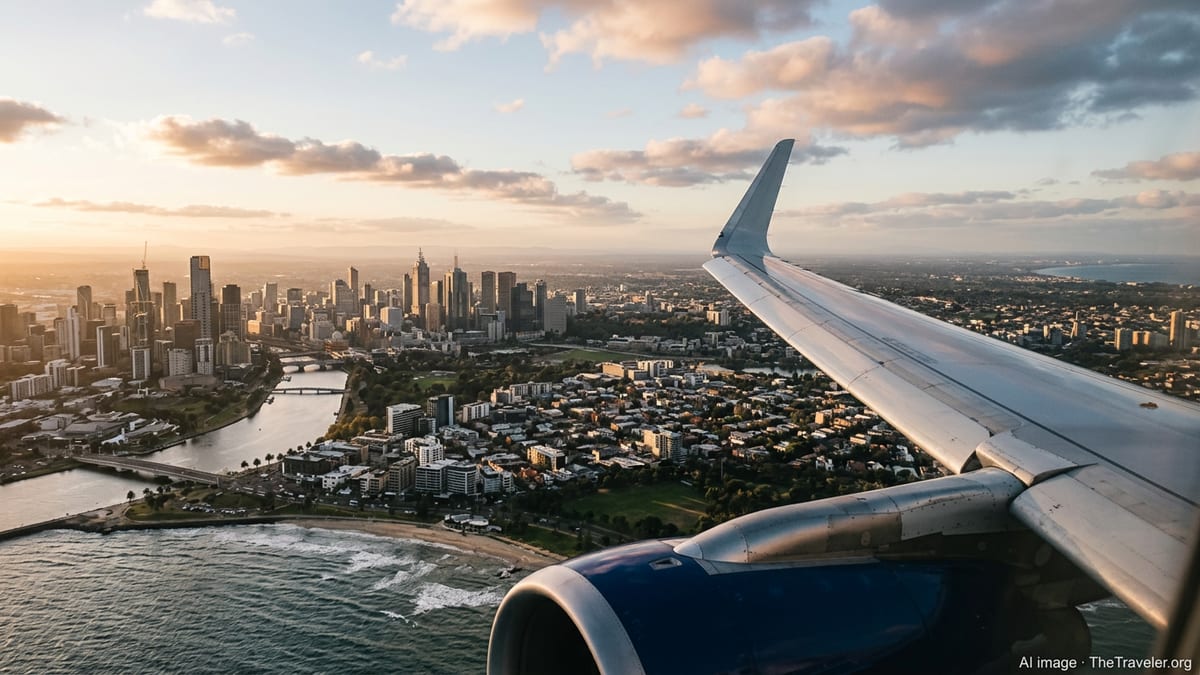
Long-Haul Hubs Shape British Airways’ 2026 Priorities
Publicly available schedules and industry analyses for 2026 indicate that British Airways is concentrating growth around a set of high-demand, globally connected cities. Melbourne, Colombo, Cape Town, Tokyo and Barbados are all positioned on major traffic flows linking the United Kingdom with Australia, South Asia, Africa, East Asia and the Caribbean. While individual routes and frequencies continue to be adjusted, these cities increasingly anchor the carrier’s long-haul leisure and visiting-friends-and-relatives markets.
Reports on the airline’s 2026 route planning show that British Airways is combining its own services with oneworld and interline partners to extend reach into these destinations and beyond. In Australia, for example, Melbourne features in wider alliance connectivity via hubs in Asia and the Middle East, complementing the carrier’s long-standing presence on the London–Sydney corridor. Similar patterns are visible around Colombo for South Asia, Tokyo for North Asia, Cape Town for Southern Africa and Barbados for the eastern Caribbean.
Industry commentary suggests that this approach reflects both strong pent-up demand for long-haul travel and the need to deploy widebody aircraft where yields and year-round demand are most resilient. The result is a network that leans heavily on globally recognisable cities with robust tourism industries, sizable expatriate communities and established premium traffic.
Melbourne’s Rising Role in UK–Australia Connectivity
Melbourne is emerging as one of the most hotly contested gateways in the Australia–Europe market, and British Airways is increasingly exposed to that growth through alliance and partnership flows. Aviation data for 2026 shows a significant build-up of capacity into Melbourne from European and Gulf carriers, including new and upgraded services that create additional one-stop options between London and Victoria’s capital.
Analysts note that Melbourne’s combination of strong corporate links to the UK, a substantial migrant base with ties to Britain and Europe, and high-profile events such as the Australian Open and the Australian Grand Prix is supporting year-round demand. For British Airways, Melbourne’s rise strengthens the case for funneling UK-origin passengers via partner hubs in Asia and the Middle East, while maintaining a core presence on the Kangaroo Route through its London–Singapore–Sydney operation.
Travel trade coverage indicates that by 2026, British Airways is leveraging this ecosystem rather than relying solely on a single non-stop solution. Customers originating in the UK can mix and match British Airways sectors to Asian gateways with onward oneworld connections into Melbourne, effectively integrating the city into the broader long-haul network in a way that mirrors how Tokyo and Colombo function as regional pivots.
Colombo, Cape Town and Barbados Anchor Leisure Demand
Colombo, Cape Town and Barbados have each grown into powerful symbols of British Airways’ emphasis on long-haul leisure markets. According to published industry route maps and booking guides for 2026, these destinations consistently feature as prominent options in winter-sun and shoulder-season travel from the UK, attracting both package holidaymakers and independent travellers.
In Southern Africa, Cape Town remains one of the most in-demand long-haul leisure gateways from London, with capacity calibrated to peak summer in the southern hemisphere. Analysts highlight its blend of wine tourism, coastal scenery and access to wider South African itineraries as reasons the route continues to command strong fares and advanced bookings.
Barbados, meanwhile, has consolidated its reputation as a cornerstone of British Airways’ Caribbean offering. Travel forums and fare sales for winter 2025–2026 point to sustained interest in Barbados as a base for cruising and island-hopping, alongside traditional beach holidays. The island’s strong UK heritage links also underpin visiting-friends-and-relatives traffic that complements tourist demand.
Colombo plays a different but equally important role, functioning as a South Asian hub point within the broader network. Industry coverage shows that it channels traffic between the UK and Sri Lanka while also connecting onward to other Indian Ocean and South Asian destinations via regional partners, reinforcing British Airways’ presence in this high-growth geography.
Tokyo and Asia-Pacific Remain Strategic Pillars
Tokyo has long been a cornerstone of British Airways’ Asian network, and 2026 planning suggests that it will continue to serve as a primary gateway into North and East Asia. Timetables and loyalty-programme guidance highlight a range of options linking London with Tokyo’s major airports, where customers can connect onwards across Japan and the wider region with oneworld partners.
For British Airways, Tokyo’s importance is twofold. It captures strong corporate and premium leisure demand between the UK and Japan while also acting as a springboard into secondary cities that might not sustain standalone services from London. This dual role is especially pertinent as airlines balance capacity constraints with high demand in Asia-Pacific following the post-pandemic recovery and subsequent rebound in outbound Japanese tourism.
Beyond Japan, Asia-Pacific growth is being reinforced by a patchwork of partner flights into Australia, Southeast Asia and the Pacific, with British Airways’ own services to key hubs in the region feeding into these networks. Melbourne effectively joins Tokyo in this wider constellation of strategic points that support multi-stop itineraries and complex long-haul journeys.
Network Flexibility and Passenger Impact in 2026
Across 2026, British Airways’ evolving treatment of Melbourne, Colombo, Cape Town, Tokyo and Barbados illustrates how the carrier is using flexibility to manage risk while still pursuing growth. Publicly accessible route overviews for the year show that frequencies, aircraft types and seasonal patterns are being regularly reviewed as demand, competitive pressures and geopolitical conditions shift.
For passengers, the practical outcome is an expanding array of one-stop and multi-stop routings rather than a simple increase in non-stop services. Travellers from the UK to Melbourne, for instance, often route via Asian hubs or the Middle East using a mix of British Airways and partner flights, while those bound for Cape Town or Barbados benefit from carefully timed departures that maximise daylight arrivals and cruise connections.
Analysts note that this approach allows British Airways to remain present in a broad set of long-haul markets without overcommitting widebody capacity to any single route. Melbourne’s growing prominence within that framework, alongside established favourites such as Colombo, Cape Town, Tokyo and Barbados, suggests that 2026 will see the airline lean heavily on a handful of globally recognisable destinations to underpin its wider network strategy.