


More news on this day
British Airways is joining a growing list of major European airlines lifting ticket prices as jet fuel costs soar in the wake of escalating geopolitical tensions in the Middle East, tightening already strained profit margins and signaling a more expensive summer for transatlantic and intra-European travelers.
Get the latest news straight to your inbox!
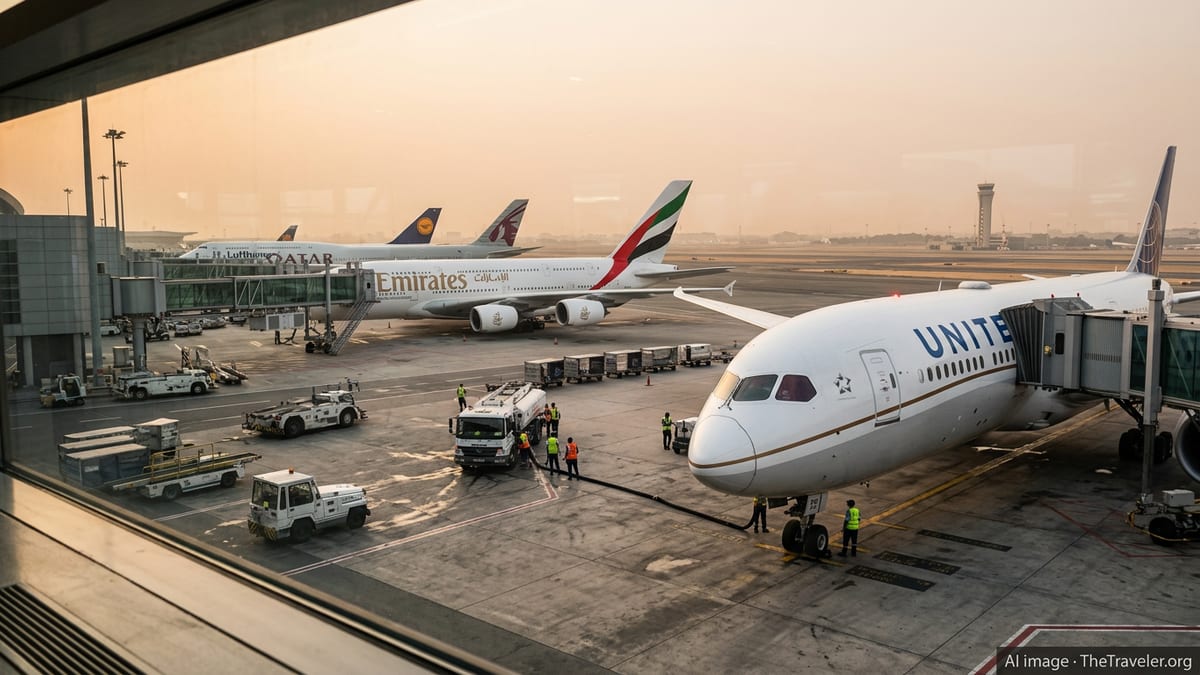
BA Follows Continental Rivals With Steep Price Adjustments
British Airways is moving to load higher airfares across its network as part of broader revenue measures aimed at offsetting a sharp rise in fuel costs. According to recent financial coverage of its parent group, the airline faces an additional multi-billion-euro fuel bill for 2026 as jet fuel prices track the volatile oil market in the wake of conflict affecting key shipping lanes from the Gulf.
Publicly available information indicates that British Airways is expected to shoulder a significant share of these increases within its group, with analysts estimating that average fares could rise by high single digits on many routes. Industry data suggests that UK long-haul services, particularly to North America and premium-heavy destinations, are likely to see the most pronounced increases because they consume more fuel per passenger and are often less price-sensitive.
Travel forums and fare-tracking services are already reporting noticeable price steps on British Airways itineraries from London to major hubs in the United States and Asia, as well as on leisure routes to the Caribbean. While exact impacts vary by booking class and date, the direction of travel is clear: higher base fares and carrier-imposed surcharges that collectively push up the final ticket price for consumers.
The airline is also using tools such as dynamic pricing and adjusted capacity to shore up yields. Observers note that marginal frequency cuts on loss-making routes, combined with tougher pricing on high-demand corridors, can amplify the overall effect of fuel-driven adjustments on what passengers ultimately pay.
Lufthansa, Air France, KLM and Finnair Tighten Pricing
Across continental Europe, major network carriers have already moved ahead with fare rises and new surcharges linked to both fuel and environmental costs. The Lufthansa Group has introduced an additional charge on tickets issued from late June 2024 for departures beginning in 2025, framed as an environmental cost recovery measure but closely intertwined with higher fuel and emissions-related expenses. Public documents show that this surcharge can reach several dozen euros per ticket on long-haul itineraries, a substantial increment on top of existing fares.
For Air France and KLM, the latest round of increases has been more directly tied to the fuel shock. Reports from European and Asian outlets indicate that the group has raised prices on long-haul tickets issued from March 11, 2026 in response to kerosene costs that have almost doubled compared with the start of the year. Follow-up coverage in European media states that the group subsequently raised prices again as fuel markets tightened further, underscoring how quickly airlines have had to rework their pricing models.
Other carriers in northern Europe are also feeling the strain. According to regional business reports, Finnair has warned that jet fuel supply risks linked to disruptions around the Strait of Hormuz could translate into higher operating costs and further pressure on fares. Nordic and Baltic routes, which already face thin margins and intense low-cost competition, are vulnerable to even modest cost increases, prompting network airlines to scrutinize capacity and yield on a route-by-route basis.
In each case, the airlines emphasize cost pass-through rather than margin expansion. Financial disclosures and analyst commentary highlight that, despite higher fares, many European network carriers are merely attempting to prevent margins from eroding as fuel and emissions outlays climb faster than ticket revenue.
Middle East Conflict Pushes Jet Fuel to New Highs
The upward pressure on airfares is rooted in a steep spike in jet fuel prices following an escalation of conflict involving Iran and its neighbors. According to recent energy market analyses and aviation sector coverage, blockages and security concerns around key chokepoints, including the Strait of Hormuz, have disrupted crude and refined product flows, tightening supplies of aviation fuel to Europe.
Industry monitoring by European aviation organizations points to jet fuel prices in the region that are significantly above early-2026 levels, with pronounced week-to-week volatility. In late March, one widely cited benchmark reached more than 4.70 US dollars per gallon, marking a sharp increase over mid-March levels and reflecting heightened fears of prolonged supply disruption.
Global oil prices have also surged in parallel, with international benchmarks at times trading more than 70 percent above pre-conflict levels. As airlines typically derive a large share of their operating costs from fuel, even modest percentage changes in fuel prices can have outsized effects on profit margins. Carriers with hedging programs are partially shielded in the short term, but public comments from European airline chiefs suggest that as existing hedges roll off, the sector will be more exposed to spot market volatility.
The jump in fuel prices comes on top of post-pandemic structural cost challenges, including higher labor expenses and aircraft financing costs. This combination, alongside tighter capacity and strong demand on many routes, has given airlines both the need and the opportunity to lift fares without triggering an immediate collapse in bookings, at least for now.
Environmental and Regulatory Pressures Add to Cost Burden
Rising jet fuel prices are not the only factor pushing European airfares higher. New and expanding regulatory regimes in the region, particularly those linked to climate policy, are adding incremental costs that airlines are attempting to recoup through ticket prices. The European Union’s updated Emissions Trading System and carbon offsetting schemes, along with upcoming mandates to blend sustainable aviation fuel into conventional jet fuel, are expected to raise per-flight operating expenses over the coming decade.
Lufthansa’s environmental cost surcharge illustrates how some carriers are explicitly itemizing these pressures. The group has stated in public materials that the charge is designed to cover regulatory environmental costs, including sustainable fuel quotas and emissions trading, on flights departing from the EU, the UK, Norway and Switzerland. Analysts note that, although described as an environmental measure, such charges interact with the same cost base as traditional fuel surcharges and effectively lift the all-in fare.
Air France-KLM and other European airlines have delivered similar messages in their financial reports, signaling that climate-related obligations, infrastructure fees and security charges are combining with volatile fuel to create a structurally higher cost environment. For network carriers already operating at thin margins, the distinction between fuel, environmental and other surcharges is primarily accounting-based; from the passenger perspective, all of these elements blend into a higher final ticket price.
Regulators have so far resisted calls from parts of the airline industry to delay or water down environmental rules in response to the fuel shock. European policymakers argue that climate objectives remain non-negotiable, leaving airlines to manage the combined impact through a mix of pricing, fleet renewal and possible efficiency gains in operations and air traffic management.
What Higher Fares Mean for Travelers and Demand
For passengers, the convergence of fuel, environmental and regulatory cost pressures is materializing in the form of more expensive tickets and fewer ultra-cheap promotional fares. Booking data compiled by online travel agencies and fare comparison tools indicates that average prices on many European and transatlantic routes have climbed noticeably since early 2026, with premium cabins seeing particularly strong increases.
Budget-conscious travelers are responding by shifting trip dates, choosing secondary airports, or opting for one-stop itineraries on lower-cost carriers where possible. Some long-haul leisure passengers are shortening stays or reducing ancillary spending on hotels and activities to accommodate higher flight costs. Travel agents report that families planning peak summer holidays are increasingly shopping across multiple airports and carriers to find marginal savings.
For the airlines, the key question is how far fares can rise before demand weakens. Recent traffic figures from European aviation bodies still show robust passenger volumes, suggesting that in the near term, pent-up travel appetite and resilient household spending in core markets are cushioning the impact of higher prices. However, analysts warn that if the Middle East conflict drags on and fuel prices remain elevated, price-sensitive segments such as short-haul leisure and visiting-friends-and-relatives travel could start to soften.
In the meantime, British Airways, Lufthansa, Air France, KLM, Virgin Atlantic, Finnair and other European carriers appear aligned on a common approach: pass as much of the fuel shock as possible on to customers, protect margins where they can and adjust capacity if demand begins to falter. For travelers, that means the era of relatively low, predictable airfares in Europe looks increasingly distant as geopolitical risks and climate policies reshape the economics of flying.