


More news on this day
Thick early-morning fog has settled over Brisbane, disrupting flights, prompting diversions and leading to warnings for motorists as visibility dropped to near zero in some areas of the city.
Get the latest news straight to your inbox!
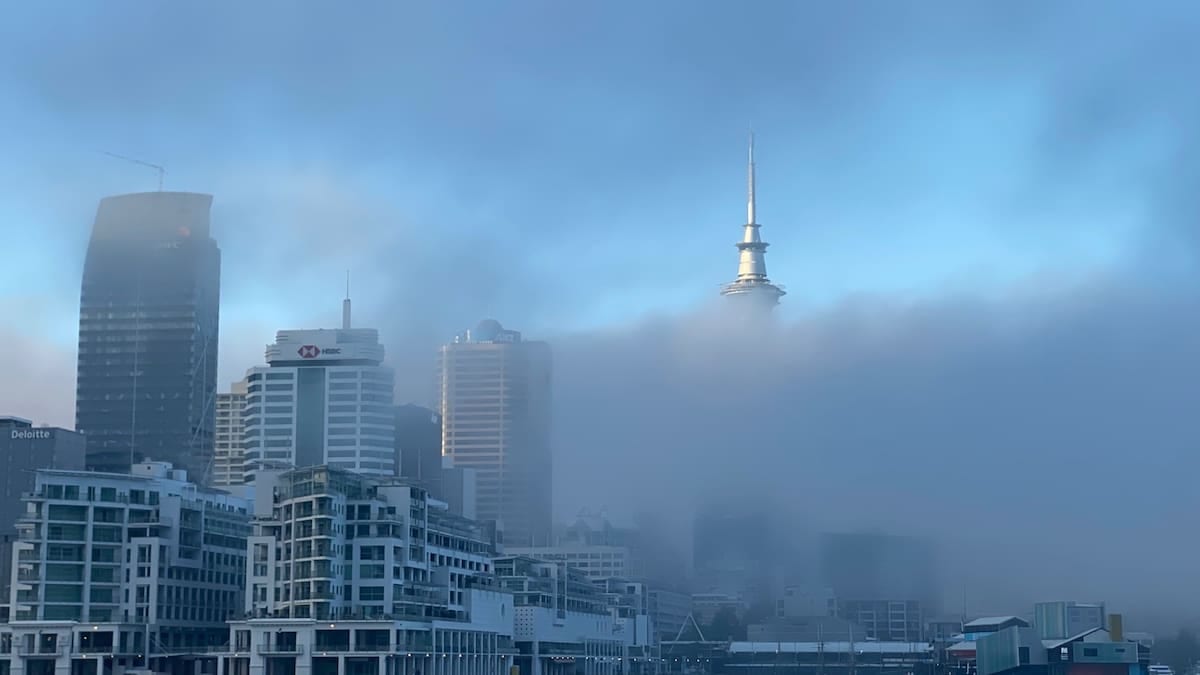
Low visibility forces changes to Brisbane flight operations
Aviation weather data for Brisbane Airport on Wednesday, 22 July 2026 shows visibility dropping to around zero in fog during peak morning periods, significantly reducing the margin pilots and air traffic controllers normally rely on for safe arrivals and departures. Publicly available meteorological information for the airport describes a dense post-rain fog bank forming over the city and drifting toward the airfield, with conditions expected to persist until after sunrise.
Airfield forecasts indicate that the fog has been severe enough at times to reduce the effective operating capacity of the airport, with cloud bases reported close to ground level. Planning documents from air traffic management agencies suggest that in such conditions, Brisbane often relies on single-runway operations and extended spacing between aircraft, leading to knock-on delays across the domestic and regional network.
Flight-tracking services show several inbound services adjusting holding patterns or slowing approaches into Brisbane, while some regional and international flights have diverted or delayed departures until conditions improved. Schedules for routes connecting Brisbane with ports such as Port Moresby and other Pacific destinations show altered departure or arrival times on Wednesday compared with typical midweek patterns.
Travel industry reports indicate that airlines have been advising passengers to check flight status before leaving for the airport, reflecting the uncertainty created by fluctuating visibility. Even as the fog begins to lift, residual congestion in the air traffic system typically takes several hours to clear, leaving knock-on impacts across later services.
Drivers urged to slow down as fog blankets major routes
The same fog that has complicated aviation operations has also affected Brisbane’s road network, particularly in low-lying corridors along the Brisbane River and surrounding suburbs. Forecasts from the national weather agency for inner-city areas, including Greenslopes, highlight patchy morning fog across Thursday as well, underlining that conditions may repeat or linger.
Real-time road information platforms for Queensland list reduced-speed conditions and congestion on key approaches into the central business district, especially during the early commute. Publicly available traffic maps depict heavier-than-usual travel times on several arterial roads, consistent with motorists slowing in response to reduced visibility.
Transport safety guidance circulated by motoring groups for similar events in past years emphasises the need for drivers to increase following distances, switch on low-beam headlights and avoid sudden lane changes in fog. With social media users in Brisbane posting photographs of thick whiteout conditions over bridges and inner-suburban streets on Wednesday morning, those recommendations have taken on sharper relevance.
Comments on local discussion forums suggest that some drivers were taken by surprise by the rapid onset of fog before dawn, reporting difficulty seeing road markings and traffic lights at normal speeds. The combination of school traffic, commuter flows and restricted visibility has contributed to a slower-than-normal start for many journeys across the metropolitan area.
Typical winter pattern, but impacts still significant
Meteorological reference material for southeastern Queensland describes fog as a regular winter occurrence in the Brisbane region, particularly following rainfall and under calm, clear overnight conditions. The latest briefing for aviation users around Brisbane notes that showers have eased and that lingering low-level moisture, combined with light winds, has created an “extensive post-rain fog bank” over the city.
Climatological data compiled by the national weather agency show that a number of airports and river valleys in eastern Australia experience several fog days each winter. While events around Brisbane do not usually reach the duration and severity seen at some inland locations, the combination of dense low cloud and heavy reliance on early-morning commuter flights means that even short-lived episodes can be disruptive.
Recent national aviation network overviews point to variable weather as a factor limiting the use of preferred runway configurations at Brisbane designed to minimise noise over urban areas. Under foggy conditions, operational priorities shift more strongly toward maintaining safety and workable visibility, which can require different runway orientations or altered approach paths and may lengthen flight times.
For road users, early-morning fog is a familiar feature of the winter driving season in many suburbs, but the contrast between clear conditions on higher ground and sudden whiteout in low-lying pockets can still catch drivers off guard. Authorities routinely encourage motorists to treat such mornings as they would heavy rain, allowing extra travel time and remaining alert for pedestrians, cyclists and slow-moving vehicles that may be difficult to see.
Travelers advised to monitor conditions as fog lingers
With forecasts pointing to ongoing patchy morning fog around Brisbane and nearby districts into Thursday and potentially beyond, travelers are being urged by airlines, transport operators and weather services to keep a close eye on conditions. Publicly available forecasts for the Brisbane area highlight early fog followed by partly cloudy skies, meaning disruptions are most likely during the morning peak.
Airports typically adjust operations dynamically as visibility improves, gradually increasing movements per hour and clearing backlogs throughout the day. However, network overviews show that once schedules are displaced by several hours in the early morning, knock-on effects may be felt on later services across multiple cities, particularly along the busy east-coast corridor.
For those heading to or from Brisbane by road, state traffic platforms recommend checking for updated warnings before departure, especially on routes affected by both fog and ongoing roadworks. Local discussion channels have noted reports of drivers encountering sudden changes from clear air into dense fog banks along the same journey, underscoring the patchy nature of the event.
Accommodation providers and tourism operators in Brisbane and coastal regions to the north and south are also monitoring developments, as fog-related disruptions can affect check-in times and tour departures. While the current pattern is consistent with a typical midwinter weather episode, the breadth of its impact on flights and road travel has made it a notable event for residents and visitors alike.