


More news on this day
Dozens of Israir passengers were left stranded at London Luton Airport after a ground service vehicle struck their aircraft during pushback, forcing the airline to cancel a scheduled flight to Tel Aviv and triggering renewed scrutiny of ground safety at the busy UK hub.
Get the latest news straight to your inbox!
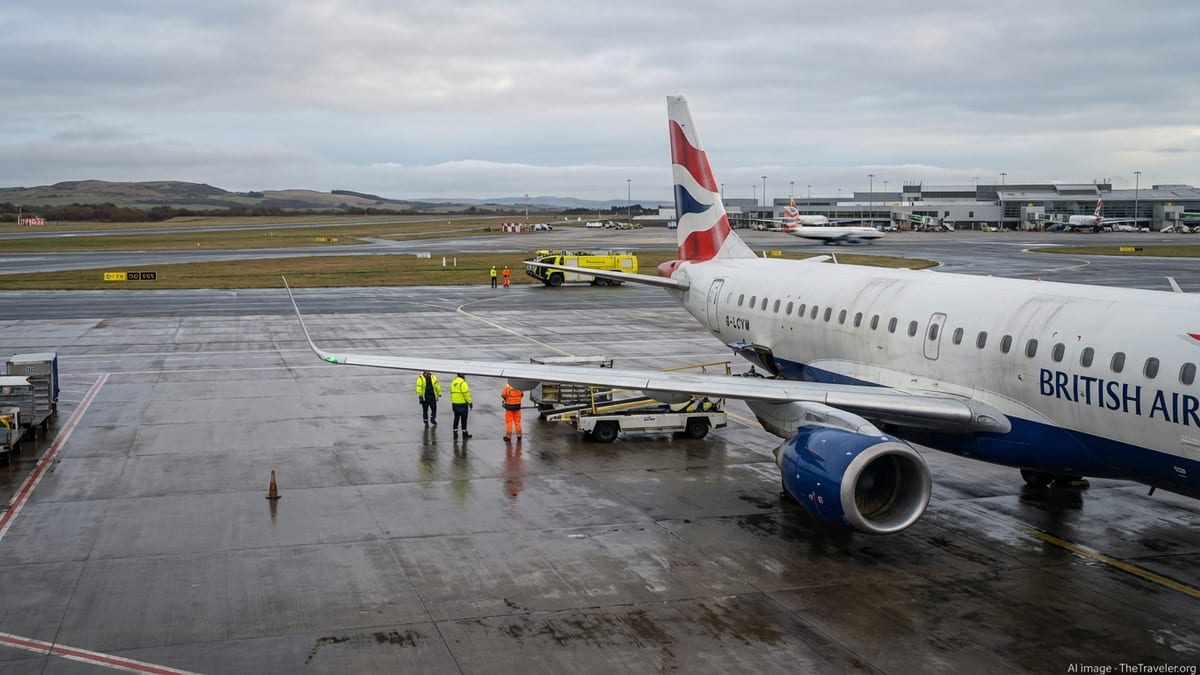
Accident on the stand halts London to Tel Aviv flight
According to multiple media reports, the incident took place on the evening of Thursday, July 17, when an Israir Airbus A320 assigned to flight 6H116 from London Luton to Tel Aviv was being prepared for departure. During pushback from the stand, a ground handling tug or service vehicle came into contact with the aircraft, causing visible damage that rendered it unfit to operate the scheduled service.
Published accounts indicate that the damage was significant enough for the airline and airport teams to remove the jet from service for inspection and repair. The flight was canceled and the aircraft remained on the ground, while passengers who had already boarded or were at the gate were told they would not be able to depart as planned.
The event is being treated as a ground handling accident rather than an in flight emergency, but it nonetheless disrupted operations for Israir customers and contributed to a broader picture of operational strain at some UK airports during the busy summer travel period.
Passengers report long delays and overnight disruption
Travelers described a protracted and confusing experience after the collision. Reports from passengers and local coverage suggest that some customers remained on board the aircraft for an extended period while crews assessed the damage, with air conditioning not always functioning at full capacity. Others were asked to disembark and return to the terminal while alternative arrangements were considered.
With the aircraft removed from service and no immediate spare available in London, many passengers were forced to remain in the United Kingdom overnight. Publicly available information indicates that Israir began working on a so called rescue flight to return customers to Israel, while also exploring options to rebook some travelers on later services.
Several accounts highlight the practical challenges that follow such incidents, including securing hotel rooms at short notice, arranging meals and ground transport, and managing time sensitive plans in Israel. For affected passengers, the combination of uncertainty, fatigue and limited communication proved particularly frustrating.
Third Israir aircraft damaged at London in less than a year
The Luton collision is notable not only for the immediate disruption but also because it follows two earlier cases in which Israir aircraft were reportedly damaged by ground vehicles at London area airports within the past year. Aviation commentators have pointed out that three separate ground contact incidents involving the same carrier at the same airport in such a short period is statistically unusual.
Israeli and international media have reported that Israir has formally raised concerns with relevant bodies in the United Kingdom and Israel, seeking a thorough review of ground safety procedures around its operations at Luton. Publicly available commentary from the airline suggests that it views the pattern as troubling, even as there is no publicly confirmed evidence at this stage that the events were deliberate.
Aviation analysts note that repeated aircraft damage at a single airport can stem from a mix of factors, including congestion on the ramp, staffing pressures, equipment reliability and training standards. The latest Israir incident is likely to draw close attention from insurers and safety investigators, given the mounting repair costs and service disruptions.
Spotlight on ground handling safety at busy European airports
The incident at Luton adds to a wider series of recent ground handling and infrastructure issues reported across European airports during the 2026 summer season. While most aircraft move around the ramp without incident, minor collisions with tugs, belt loaders and catering trucks are a known risk in the aviation industry, and each strike can lead to costly repairs and cancellations.
Industry specialists point out that narrow aprons, tight turnaround windows and pressure to maintain on time performance all heighten the possibility of contact between vehicles and aircraft. With post pandemic traffic levels high and airlines operating dense schedules, several hubs have reported strains on both ground staff capacity and available stand space.
Observers say the Israir case underscores the importance of robust oversight of contracted handling providers, clear responsibility for ramp safety and regular audits of training and equipment. Even when no injuries occur, incidents that ground aircraft for hours or days can ripple through flight networks and damage public confidence.
Next steps for passengers and investigators
In the immediate term, Israir has focused on moving affected travelers out of the United Kingdom and back to Israel through replacement aircraft and rebooked itineraries. Standard practice in such cases includes offering duty of care measures such as overnight accommodation and meals, as well as exploring compensation under applicable aviation and consumer regulations.
The damaged aircraft will undergo detailed inspections and repairs before returning to service. Regulators in the United Kingdom are expected to review the circumstances of the collision as part of routine safety oversight. Depending on the findings, the investigation could lead to updated procedures for ground crews, revised traffic flows on the apron or technical changes to how vehicles operate around parked jets.
For passengers, the Luton incident is a reminder that even short, seemingly straightforward flights remain vulnerable to ground side disruptions. As Israir and its handling partners seek to restore normal operations, travelers on the London Tel Aviv route are likely to watch closely for signs that lessons have been absorbed and that safeguards around aircraft on the ramp have been strengthened.