


More news on this day
A British crew member aboard the Dutch-flagged expedition vessel MV Hondius is reported to be in urgent need of medical care following a suspected hantavirus outbreak that has already claimed three lives and left others seriously ill on a luxury cruise in the Atlantic Ocean.
Get the latest news straight to your inbox!
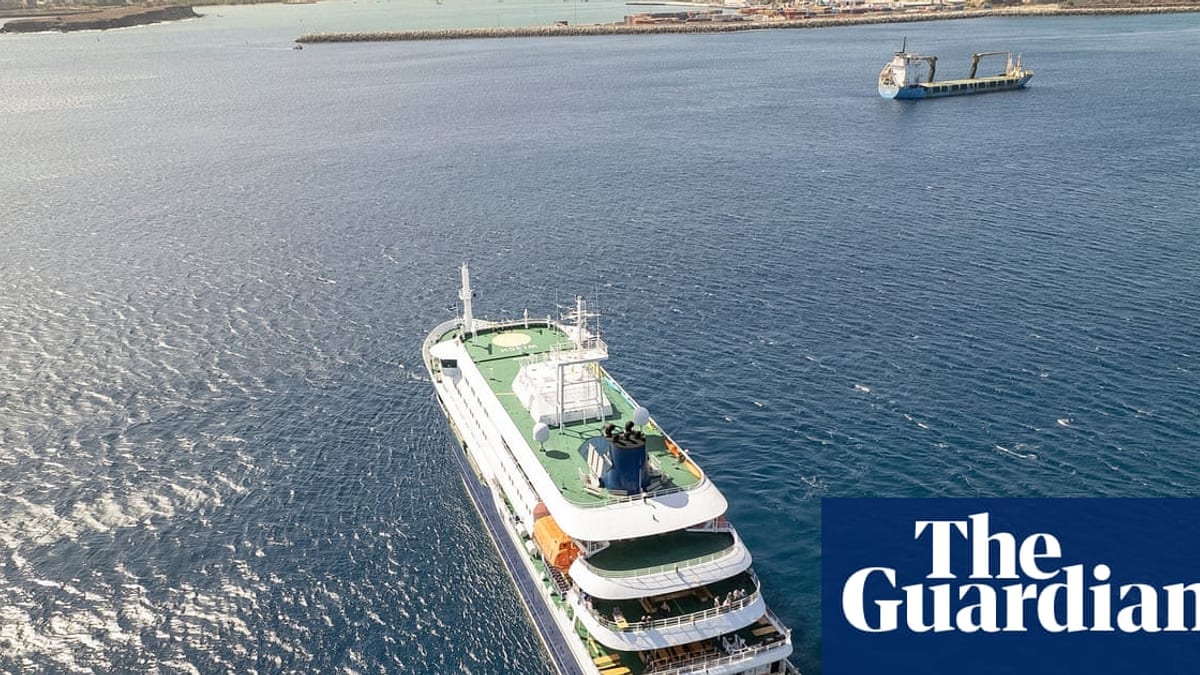
Outbreak Unfolds Aboard MV Hondius
The suspected outbreak emerged on the MV Hondius, a polar expedition cruise ship operated by Dutch company Oceanwide Expeditions and sailing under the Netherlands flag. The vessel departed from Ushuaia in southern Argentina in March with 149 passengers and crew from more than 20 countries, following an itinerary through remote South Atlantic and sub-Antarctic waters before heading north toward the Cape Verde archipelago.
According to published coverage from multiple outlets, three passengers have died after developing acute respiratory symptoms consistent with hantavirus infection. The fatalities include an elderly married couple and another European traveler who became unwell on board and later died in hospital. At least one of the deaths has been laboratory confirmed as hantavirus, while other cases remain classified as suspected as testing continues.
Publicly available information indicates that seven people linked to the voyage are now considered confirmed or suspected cases, including passengers and crew. One British passenger was evacuated earlier to South Africa, where they remain in intensive care in a critical but stable condition after testing positive for a hantavirus strain.
The World Health Organization has described the event as a multi-country public health incident connected to cruise travel, involving complex logistics for medical evacuation, laboratory analysis, and contact tracing across several jurisdictions.
British Crew Member Awaiting Medical Evacuation
The latest focus of concern is a British crew member who has developed severe respiratory symptoms while still on board the Hondius. Reports in UK and international media state that this crew member, along with a Dutch colleague, has been assessed as requiring urgent medical care after showing what the ship’s operator has called “acute respiratory symptoms,” with one case described as severe.
Plans are being made for the British crew member to be airlifted from the vessel for hospital treatment on shore. Outlets including The Guardian, ITV News and other broadcasters report that medical evacuation options are being coordinated so that the sick crew can be transferred to appropriate specialist care, likely in Europe, once aircraft and clearances are in place.
The British national is one of two crew members still believed to be on the ship with serious illness. Other passengers who developed symptoms were previously disembarked, including the British passenger now treated in Johannesburg and at least one Dutch traveler whose infection has been confirmed by the World Health Organization.
Public statements from the cruise operator indicate that onboard medical capacity is limited, as is typical for a small expedition vessel. The company has said that external medical teams and local health services have been engaged as the situation has escalated, with assessments carried out while the ship remained offshore.
Ship Kept Offshore as Health Investigation Widens
The MV Hondius is currently positioned off the coast of Cape Verde after local authorities declined permission for the ship to dock at the main port of Praia while investigations into the outbreak are under way. News coverage from Cape Town, Praia and European capitals describes a vessel largely confined to sea, with decks mostly deserted as passengers and crew remain in isolation or restricted movement.
Video and photographs obtained by international news agencies show medical personnel in protective equipment on board, as well as cordoned-off areas and passengers asked to remain in cabins while further testing is conducted. The cruise, which marketed itself as a high-end wildlife and expedition voyage through some of the world’s most remote islands, has effectively turned into an extended quarantine at sea.
Publicly available information from the World Health Organization notes that the incident involves cooperation between authorities in the United Kingdom, the Netherlands, South Africa, Cape Verde and several British overseas territories visited by the ship earlier in its itinerary. Health teams are reconstructing the ship’s route, including calls near South Georgia, the South Orkney Islands, Tristan da Cunha and other isolated islands, to trace potential exposure points.
Passengers who disembarked earlier in the voyage are also being contacted where possible. National health agencies in several countries have issued notices asking recent travelers on the Hondius to monitor symptoms and seek medical advice if they develop fever or respiratory distress in the weeks following their trip.
What Is Known About Hantavirus Risk at Sea
Hantaviruses are a family of viruses more commonly associated with rodent populations on land than with maritime environments. According to public information from health agencies, humans are typically infected through contact with urine, droppings or saliva from infected rodents, or by inhaling particles from contaminated dust. The strain most frequently linked to severe respiratory illness in South America, often referred to as Andes virus, is considered capable of limited person-to-person transmission in close-contact settings.
Health experts cited in open reports emphasize that hantavirus infections remain rare worldwide, but they can cause severe disease affecting the lungs or kidneys, with significant fatality rates. There is no widely available specific antiviral treatment, and supportive intensive care, including ventilation and careful fluid management, is critical for those who develop advanced respiratory failure.
The presence of suspected hantavirus cases on a cruise ship raises questions about how the virus may have entered the closed environment. Reports referencing early findings from the operator suggest that the infection likely originated from a passenger who had recently traveled in South America before joining the voyage, rather than from rodents on board. Environmental investigations are nevertheless under way to examine storage areas and possible rodent exposure, as is routine in such incidents.
The World Health Organization has indicated in publicly posted updates that, while rodent-borne transmission remains the primary concern, human-to-human spread cannot be entirely ruled out in this cluster. The close confines of an expedition vessel, shared facilities and prolonged voyage length all complicate efforts to separate potentially infectious individuals from others on board.
Implications for Cruise Travel and Future Voyages
The Hondius incident is one of the first recorded clusters of suspected hantavirus infection linked to cruise travel, and it arrives as the industry continues to adjust to lessons learned from the COVID-19 pandemic and other shipboard outbreaks. Public health watchers note that although the number of people affected so far is relatively small, the severity of illness and the rarity of the pathogen make the case highly significant for travel medicine.
Published commentary from infectious disease specialists suggests that future expedition voyages to remote regions may face tighter requirements for pre-boarding health screening, environmental controls and rodent management, particularly when itineraries begin in areas where hantavirus is known to circulate. Cruise companies operating in polar and sub-Antarctic markets may also be asked to review contingency plans for emergency medical evacuation from isolated waters.
For now, passengers from the affected voyage are being advised through public notices to monitor their health for several weeks, reflecting the potential incubation period of hantavirus infections. Guidance shared by health agencies recommends frequent hand hygiene, careful self-monitoring for fever, cough or shortness of breath, and prompt medical consultation if symptoms develop, especially for anyone with underlying conditions.
As the British crew member awaits evacuation and the total case count remains under review, the Hondius episode underscores how quickly a rare pathogen can transform a remote adventure cruise into a complex international health event. Investigations in the coming days are expected to clarify the exact source of infection, the extent of any person-to-person transmission, and what additional measures may be needed to protect travelers and crew on future voyages.