


More news on this day
A suspected hantavirus outbreak that left three passengers dead and several others seriously ill on an expedition cruise ship stranded off West Africa has raised the rare possibility of human-to-human transmission, according to recent updates from the World Health Organization and other public health agencies.
Get the latest news straight to your inbox!
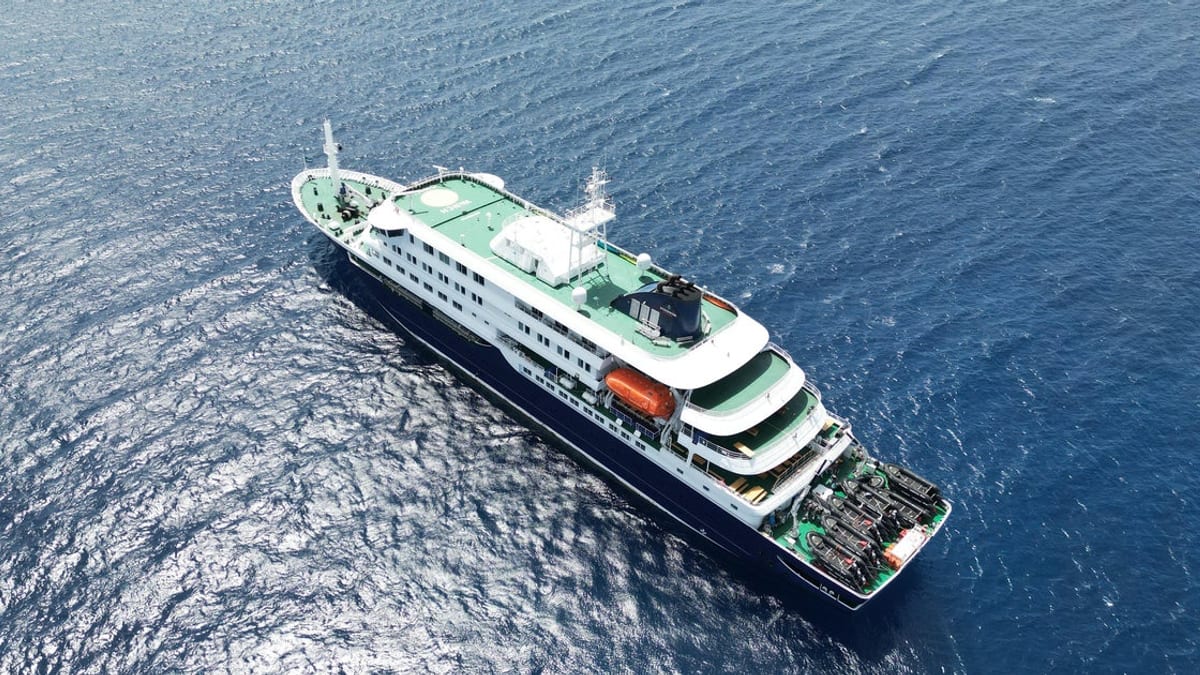
Stranded expedition vessel under global health scrutiny
The affected vessel, the MV Hondius, has been anchored for days off the Cape Verde archipelago after a cluster of acute respiratory illnesses emerged during a long-distance cruise from South America toward West Africa. Publicly available information indicates that around 150 people remain on board, including passengers from Europe, North America and other regions, while local authorities restrict disembarkation as investigations continue.
The World Health Organization has described a small but serious cluster of hantavirus infections linked to the voyage. Two cases have been laboratory confirmed and several others are classified as suspected, following the deaths of three passengers who developed severe respiratory symptoms consistent with hantavirus disease. At least one patient is reported to be in intensive care in South Africa after being evacuated from the ship, while others have been transferred to hospitals on shore for further treatment.
Initial case histories suggest that at least two of the earliest patients had recently traveled in parts of South America where certain hantavirus strains circulate in rodent populations. Health agencies are examining whether exposure occurred before embarkation, during excursions, or potentially on board, through contact with contaminated environments or through close contact with other infected individuals.
The ship, operated by a Dutch expedition company, had been marketing an extended, nature-focused itinerary through remote Atlantic and South Atlantic destinations. The unusual setting of a rodent-borne virus on a cruise ship has attracted significant international attention, echoing public sensitivities shaped by earlier maritime outbreaks of respiratory diseases.
Rare concern over possible person-to-person transmission
While hantaviruses are primarily known to spread to humans through contact with the urine, droppings or saliva of infected rodents, the current cluster has prompted targeted questions about whether human-to-human transmission might have occurred aboard the Hondius. In its latest technical communication, the World Health Organization noted that some cases on the ship may not share obvious environmental exposures, raising the possibility that limited person-to-person spread cannot be ruled out.
Published analyses point in particular to Andes virus, a hantavirus species found in parts of Argentina and Chile, as one of the few strains in which human-to-human transmission has been documented in earlier outbreaks. Experts cited in international coverage emphasize that even for Andes virus, transmission between people has historically been rare and generally associated with very close and prolonged contact, such as within households or in clinical care settings.
In the Hondius cluster, one of the concerning patterns described in media and public-health summaries involves an infected passenger who is not believed to have had the same pre-cruise travel history as two earlier cases. That epidemiological detail is one of the reasons investigators are exploring whether secondary infections on board could have arisen through respiratory droplets or other close-contact routes, rather than through a shared rodent-related exposure prior to embarkation.
Laboratories working with national authorities and the World Health Organization are now conducting genomic sequencing of viral samples to determine the exact hantavirus type involved. Those results are expected to clarify whether the strain on board is one with a known history of occasional person-to-person spread, or whether any apparent clustering is more likely explained by separate exposures to a common environmental source.
Risk to wider public described as low but travel disruption grows
Despite the intense focus on the stranded vessel, current risk assessments by international health bodies describe the threat to the general public as low. Hantavirus infections, particularly the severe pulmonary form seen in the Americas, remain rare worldwide. They are not typically associated with large, sustained chains of transmission in communities, unlike viruses such as influenza or SARS-CoV-2.
Nonetheless, the Hondius events have already disrupted travel plans and highlighted the persistent vulnerability of cruise operations to infectious disease incidents. Passengers on board have reportedly been confined to the ship while authorities evaluate options for safe disembarkation, quarantine and onward travel. Decisions are complicated by the need to balance individual passengers’ desire to leave the vessel with public health concerns in receiving ports.
Cruise operators in general faced heightened regulatory oversight after the early stages of the COVID-19 pandemic, when multiple ships became high-profile settings for virus spread. In the years since, companies have promoted upgraded air filtration, rapid testing, expanded medical staffing and revised outbreak response protocols. The current hantavirus cluster is testing how those systems respond to a pathogen that behaves very differently from common respiratory viruses and is not easily addressed through routine gastrointestinal or influenza-style control measures.
For destination countries such as Cape Verde and others along Atlantic cruising routes, the episode is also a reminder of the economic tension between tourism revenues and health-security obligations. Ports that depend on visiting ships must weigh the short-term financial hit of denying disembarkation against the longer-term costs of mishandling a serious infectious-disease event.
What travelers should know about hantavirus and cruise safety
According to widely available health guidance, hantaviruses cause severe but infrequent illnesses, including hantavirus pulmonary syndrome in the Americas and hemorrhagic fever with renal syndrome in parts of Europe and Asia. Early symptoms can resemble a flu-like illness, with fever, fatigue and muscle aches, sometimes followed by cough and rapidly progressing respiratory distress in severe cases.
Most documented infections occur in people who inhale virus particles from rodent-contaminated dust in enclosed spaces, enter buildings with heavy infestations, or handle rodent nests and droppings without adequate protection. The virus does not usually spread casually between people, and there is currently no evidence of widespread human-to-human transmission in community or travel settings outside of specific historical clusters.
For travelers, experts referenced in recent coverage stress basic precautions that remain consistent across many destinations: avoiding contact with wild rodents and their droppings, ensuring that accommodation and storage areas are well maintained, and seeking prompt medical attention if severe respiratory symptoms develop after travel through endemic regions. On organized cruises, much of the environmental risk is managed by the operator, but pre- and post-cruise travel, particularly in rural or wilderness areas, can present additional exposure opportunities.
Travel medicine specialists also point out that even in unusual incidents like the Hondius cluster, the relative likelihood of encountering more common infections such as influenza, norovirus or COVID-19 on trips remains far higher than contracting hantavirus. Standard measures recommended for cruise travelers, including respiratory hygiene, handwashing, and staying isolated when ill, continue to be relevant.
Impact on expedition cruising and future itineraries
The fact that the suspected hantavirus outbreak occurred on a small, expedition-style vessel rather than a mega-ship is shaping industry reactions. Expedition cruises often emphasize remote itineraries and close contact with natural environments, including visits to areas where rodent populations and their habitats are less disturbed, conditions that can occasionally increase exposure opportunities to zoonotic pathogens.
Industry analysts following the case suggest that operators may revisit aspects of their health-risk assessments for itineraries that include endemic hantavirus regions. This could range from enhanced pre-boarding medical questionnaires for passengers returning from high-risk outdoor activities, to updated guidance for shore excursions that involve hiking, camping, or visits to rural settlements where rodent control is less robust.
Publicly available statements from regional tourism bodies indicate that destinations linked to the Hondius route are monitoring developments closely but are not recommending broad travel cancellations at this stage. Their messaging has focused on cooperation with international health agencies and on reinforcing routine hygiene and surveillance systems at ports, airports and hotels.
For future travelers considering expedition cruises, the incident underscores the importance of scrutinizing operators’ medical capabilities, isolation facilities and contingency plans for rare but serious health events. While the Hondius cluster appears to represent an exceptional convergence of circumstances, it is likely to influence questions prospective passengers ask about infectious-disease preparedness on board, from ventilation and cleaning protocols to evacuation arrangements from remote waters.