


More news on this day
A suspected hantavirus outbreak on a Dutch-flagged expedition cruise ship stranded off the coast of Cape Verde has killed three passengers and prompted international scrutiny after the World Health Organization indicated that some infections may have spread through limited human-to-human transmission among people on board.
Get the latest news straight to your inbox!
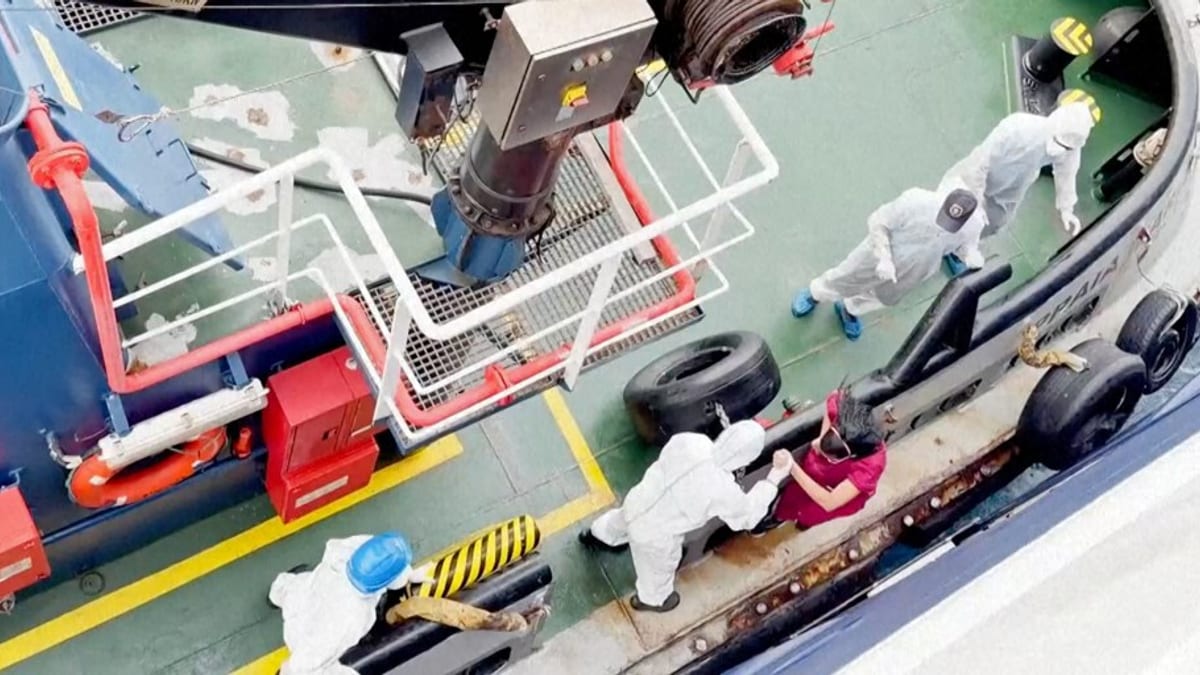
Stranded MV Hondius Under Investigation in Atlantic
The incident centers on the MV Hondius, a polar expedition cruise vessel sailing under the Dutch flag that has been held off Praia, the capital of Cape Verde, while health teams assess the scale and source of the outbreak. Nearly 150 people, including passengers and crew from multiple countries, remain confined on the ship as testing and contact tracing continue.
According to publicly available updates from the World Health Organization and national health agencies, seven people linked to the voyage have been identified as confirmed or suspected hantavirus cases. As of 4 May 2026, two infections have been confirmed in the laboratory, while five additional cases are classified as suspected. Three of the affected passengers have died, one person is reported to be critically ill in intensive care, and others have experienced milder symptoms.
The ship’s operator, Oceanwide Expeditions, has said in public statements that the voyage began in Ushuaia, Argentina, and was due to conclude in Cape Verde after a series of expedition-style sailings. The vessel is currently anchored off Cape Verde under movement restrictions while local and international experts coordinate medical evacuations for severely ill passengers and review options for disembarkation of those who remain healthy.
Footage and accounts cited by international media outlets indicate that most travelers have been asked to remain in their cabins, reviving memories of prolonged quarantines on cruise ships during the early months of the COVID-19 pandemic. However, existing reports emphasize that the current event involves a different virus with distinct transmission dynamics and that the assessed risk to the wider public remains low.
Human-To-Human Transmission Considered Possible but Limited
Hantaviruses are typically spread to humans through exposure to infected rodent urine, droppings, or saliva, often in rural or wilderness settings. Historically, person-to-person transmission has been considered extremely rare and has primarily been documented with a particular species known as Andes virus in parts of South America.
In its detailed outbreak notice on the cruise ship cluster, WHO noted that the pattern of illness and travel history of those affected suggests at least some infections may have occurred through close contact between people on board, rather than solely through exposure to rodents or contaminated environments before embarkation. Published coverage of WHO’s latest assessment describes the working assumption as a combination of infections acquired before the cruise and a small number of potential secondary cases arising between close contacts on the vessel.
Specialist reporting indicates that the earliest known cases involved an elderly couple who had traveled extensively in South America, including regions where Andes virus circulates, prior to joining the ship. Their illness, along with that of a third passenger who developed symptoms despite not being a close contact of the couple, has drawn particular attention from epidemiologists studying whether confined shipboard settings could facilitate rare person-to-person spread.
Health agencies stress that even if human-to-human transmission occurred in this instance, such spread would likely require very close and prolonged contact, such as caring for an ill person or sharing small, enclosed spaces. Current risk assessments from WHO describe the threat to the general public and to international travel as low, while acknowledging that investigations into the specific virus subtype and transmission chains are still underway.
How the Outbreak Unfolded on Board
Based on timelines synthesized from WHO documents and international news reports, the first passenger linked to the MV Hondius developed symptoms in early April, several days after an earlier leg of the Antarctic and Atlantic voyage. The individual later died in hospital after disembarking, and subsequent testing confirmed infection with a hantavirus.
In the weeks that followed, other passengers developed similar symptoms including fever, gastrointestinal problems, and, in severe cases, rapid respiratory deterioration. A second passenger, who had close contact with the first confirmed case, also died after leaving the ship. A third passenger, a German national, died more recently while still associated with the voyage, bringing the total number of deaths to three.
One British passenger was medically evacuated to South Africa and remains in critical condition in intensive care, according to regional media coverage. Additional symptomatic individuals remain aboard the ship but are reported to be in stable or improving condition, with some classified as suspected rather than confirmed cases, pending further laboratory testing.
The presence of confirmed and suspected cases in travelers who disembarked at different ports, as well as in at least one person who did not share direct contact with the earliest patients, has motivated the expanded investigation. Authorities are now tracing contacts not only on board but also across multiple countries, including points of embarkation and disembarkation and health facilities that treated the sick.
Passenger Restrictions and Next Steps for the Voyage
Local authorities in Cape Verde have kept the MV Hondius offshore while requesting comprehensive health information about all individuals on board and those who left the ship at earlier stops. Reports indicate that disembarkation has been suspended in Praia and other regional ports while risk assessments and logistical planning take place.
The ship’s operator has publicly emphasized that standard health protocols were in place during the voyage, including medical screening and isolation measures once severe respiratory illness was detected. Nonetheless, the company’s statements acknowledge that additional actions are now being coordinated with WHO and national health agencies, ranging from specialized cleaning and environmental sampling on board to arrangements for further medical evacuations.
For passengers who remain well, the immediate concern is the duration of their confinement and the ultimate outcome of the voyage. Media coverage describes a mix of anxiety and cooperation among travelers, many of whom had booked the expedition months in advance as a once-in-a-lifetime polar and Atlantic journey. Some are reported to have been offered the possibility of disembarking once safe corridors and follow-up monitoring can be assured.
Travel industry analysts note that insurers, tour operators, and destination countries are watching the situation closely. While the number of cases is small compared with large viral outbreaks seen in recent years, the combination of a rare pathogen, a confined shipboard setting, and evolving knowledge about transmission routes is likely to influence future contingency planning for expedition and niche cruise itineraries.
What Travelers Should Know About Hantavirus Risk
Medical guidance summarized by public health agencies characterizes hantavirus infections as uncommon but often serious. Infections can lead to hantavirus pulmonary syndrome or hemorrhagic fever with renal syndrome, depending on the virus type and region. Early symptoms often resemble flu or a gastrointestinal illness; later stages can involve severe breathing difficulties and organ failure.
For most travelers, especially those on conventional cruise routes, current assessments suggest that the risk of contracting hantavirus remains very low. The primary risk factors continue to involve activities that bring people into contact with rodent habitats, such as rural camping, wildlife observation, or farming in endemic areas. Public health recommendations therefore prioritize rodent control, avoiding contact with rodent droppings, and taking precautions in cabins or buildings where rodent infestations may be present.
Experts cited in recent coverage highlight that cruise travelers planning trips that include time in endemic regions of South America or other affected areas can reduce risk by following general hygiene measures, selecting reputable operators that adhere to strict sanitation standards, and paying attention to health advisories before and during travel. Travelers who develop unexplained fever, respiratory symptoms, or severe gastrointestinal illness within several weeks of such trips are advised, in general terms, to seek medical care and mention recent travel history.
The MV Hondius incident is now being closely studied by infectious disease specialists who hope to better understand whether confined travel settings can contribute to rare person-to-person transmission of hantavirus, and under what conditions this might occur. The answers are expected to inform updated guidance for expedition cruises and other adventure travel products that operate in or near areas where hantavirus is known to circulate.