


More news on this day
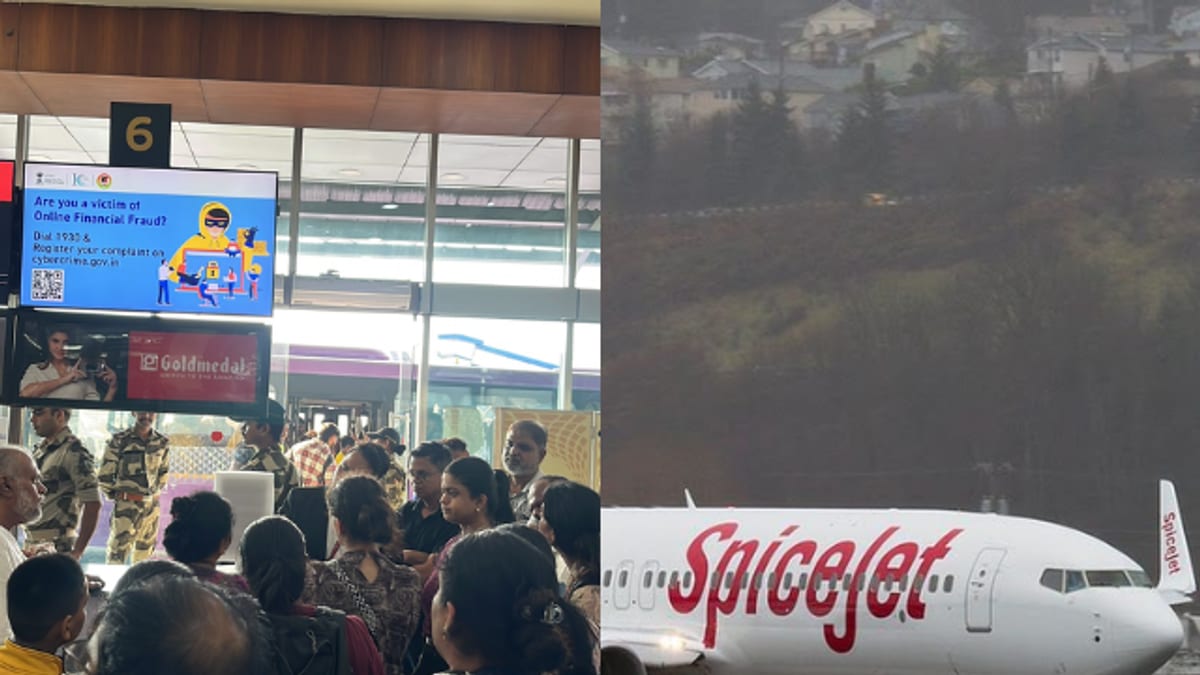
Prolonged delays and abrupt cancellations of multiple SpiceJet flights at Mumbai’s Chhatrapati Shivaji Maharaj International Airport have left hundreds of passengers stranded overnight, with widespread reports of confusion, scarce information and frayed tempers at Terminal 1.
Get the latest news straight to your inbox!
Late Night Schedule Collapse at Terminal 1
Reports from Mumbai indicate that disruption began late on Wednesday, April 29, 2026, and extended well into the early hours of Thursday, April 30, as several SpiceJet departures from Terminal 1 were repeatedly delayed before some were ultimately cancelled. Domestic services on busy routes including Mumbai to Bengaluru, Delhi and Ahmedabad were among those affected, according to multiple media accounts and social media posts from stranded travellers.
Coverage in local outlets describes passengers waiting for hours near departure gates as revised timings on display boards shifted through the night, with some flights pushed back several times before disappearing from the schedule altogether. Videos posted online show crowded holding areas, with families resting on the floor and overnight bags stacked near pillars while travellers tried to get clarity on whether their flights would operate at all.
One widely shared clip from inside Terminal 1 shows a group of passengers confronting ground staff after learning that their late night flight to Bengaluru had been cancelled following hours of delay. Similar scenes were reported around flights bound for Delhi and Ahmedabad, where travellers described missing morning commitments and onward connections after spending the night inside the terminal.
The disruptions at Mumbai added to an already busy travel week, amplifying the strain on airport facilities and alternative airlines as stranded passengers tried to rebook at short notice for same day travel.
Passengers Stranded Overnight Amid Limited Communication
Accounts compiled from news reports and passenger posts suggest that the most acute frustration stemmed from a perceived lack of timely information. Many travellers reported learning of cancellations only after repeated delays, with announcements at the gate sometimes lagging behind changes on booking apps or not being made clearly across the terminal.
Several passengers described queuing at airline counters in the early hours of the morning to seek rebooking or refunds, only to find long lines and limited staff presence. Some reported being asked to contact customer care channels rather than receiving on the spot resolutions at the airport, making it difficult to secure alternate arrangements in the middle of the night.
The overnight nature of the disruption compounded the discomfort. With cafe options reduced during late hours and seating areas crowded, travellers reported resting on the floor or near baggage trolleys while waiting for updates. Social media posts referenced elderly passengers, young children and business travellers all caught in the same uncertainty as the night wore on.
By Thursday morning, as operations at Terminal 1 gradually stabilised, many affected passengers were still attempting to rearrange their journeys, with some reporting that they had opted to buy last minute tickets on rival carriers at significantly higher fares to avoid further delays.
SpiceJet’s Operational Strain Under Spotlight
The latest disruption at Mumbai has renewed scrutiny of SpiceJet’s operational resilience. Publicly available aviation data and recent coverage show that the carrier, one of India’s larger budget airlines, has faced several high profile delay and cancellation incidents across its network over the past year, including long holdups on domestic routes and international services that left passengers waiting for extended periods.
Industry analyses point to a combination of factors that can compound irregular operations for airlines, including tight aircraft utilisation, technical issues that take jets temporarily out of service and flight duty limitations that restrict how long crew can legally operate. In such scenarios, a single grounded aircraft or extended delay on one leg can ripple through the schedule, especially in the late evening when spare capacity is limited.
In regulatory filings and public statements in recent months, SpiceJet has acknowledged that flight cancellations and delays linked to operational or safety constraints can increase costs and affect passenger confidence. At the same time, the airline has maintained that safety remains its overriding priority and has pointed to efforts to streamline its fleet and improve reliability.
The scenes at Mumbai, however, have fed into a broader perception among some domestic travellers that certain low cost carriers are more vulnerable to severe disruptions. Comparisons on travel forums and social media frequently contrast on time performance and recovery measures across airlines, influencing booking choices for business and leisure passengers alike.
Passenger Rights and Regulatory Framework in India
The overnight ordeal at Mumbai has also pushed India’s passenger rights framework back into public discussion. Under guidelines set out by the Directorate General of Civil Aviation, airlines are expected to provide specified assistance in cases of extended delays or cancellations, particularly when passengers are already at the airport and disruptions are not caused by extraordinary circumstances such as severe weather or air traffic control restrictions.
These measures can include meal vouchers after certain waiting thresholds and, in some cases, hotel accommodation for overnight delays when a new departure is scheduled for the following day. Compensation provisions may also apply when cancellations or long delays fall within the airline’s control and minimum notice periods are not met.
Consumer advocates and frequent flyers commenting on the Mumbai incident have highlighted the importance of passengers knowing these entitlements. Many have advised that travellers retain boarding passes, written confirmations of cancellations or delay certificates when disruptions occur, as such documents can support later claims through airline customer care channels or formal grievance mechanisms.
For now, the Mumbai disruption appears set to join a growing list of case studies cited in online discussions about how effectively airlines implement these rules in real world situations, especially during overnight events when staffing and alternative options can be stretched.
Impact on Mumbai’s Position as a Key Travel Hub
Mumbai’s Chhatrapati Shivaji Maharaj International Airport is one of India’s busiest aviation gateways, handling a dense mix of domestic and international traffic across its two passenger terminals. Terminal 1, used primarily by low cost and domestic carriers, plays a crucial role in connecting smaller cities and regional centres to the country’s financial capital.
Episodes of large scale disruption at this hub can therefore have knock on effects across the wider network. When multiple flights from a single carrier are delayed or cancelled overnight, downstream routes the following day may face higher loads as rebooked passengers flow into already busy schedules, while other airlines may see a short term surge in demand from travellers unwilling to risk further uncertainty.
Travel industry observers note that repeated overnight disruptions can also influence corporate travel policies and individual booking habits, especially on trunk routes where several carriers compete. Companies that rely on early morning arrivals in Mumbai for same day meetings may take a closer look at performance trends, while leisure travellers may weigh fares against reported reliability during peak and late night departure banks.
Airport operators, meanwhile, continue to balance managing congestion and passenger welfare during irregular operations with maintaining impartial access for all airlines that use the facility. The latest SpiceJet disruptions at Mumbai are likely to inform ongoing conversations within India’s aviation sector about schedule planning, contingency resources and the practical enforcement of passenger protection rules when long nights at the terminal turn into headline‑making events.