


More news on this day
A Dutch-flagged expedition cruise ship is being held off the coast of Cape Verde after two confirmed and five suspected cases of hantavirus infection were identified among people linked to the voyage, in an outbreak that has already left three passengers dead and others seriously ill.
Get the latest news straight to your inbox!
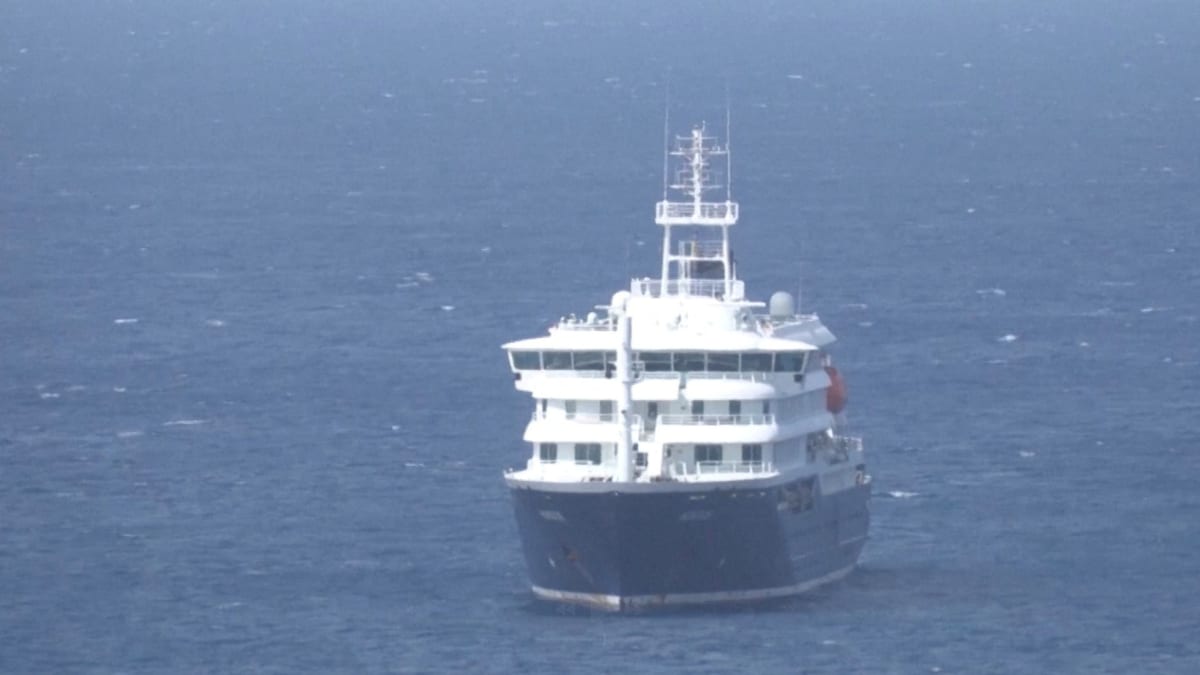
Luxury expedition voyage turns into mid-Atlantic health emergency
The vessel, identified in multiple reports as the MV Hondius, had been sailing an extended itinerary from Ushuaia, at the southern tip of Argentina, toward the Cape Verde archipelago when a series of severe respiratory illnesses emerged in early April. Publicly available information indicates that cases developed over several weeks, with passengers and crew initially reporting fever and flu-like symptoms that in some instances progressed rapidly to breathing difficulties.
According to recent coverage from international outlets drawing on a World Health Organization (WHO) risk assessment, seven people connected to the cruise are currently classified as confirmed or suspected hantavirus cases. Two infections have been laboratory confirmed, while five remain under investigation. Three of those affected have died, one patient is reported to be critically ill in intensive care in South Africa and several others have experienced milder illness.
Travel media and regional news organizations describe the ship as effectively stranded in the Atlantic near Cape Verde, after local port officials declined to allow a full disembarkation while health authorities evaluate the situation. Passengers and crew have been instructed to isolate on board, turning what began as a high-end polar and Atlantic crossing into an involuntary quarantine at sea.
Reports indicate that the ship’s operator, Dutch company Oceanwide Expeditions, has been coordinating with national health agencies and international bodies to arrange medical evacuations for the most serious cases, while also maintaining essential services for those still on board.
Timeline of infections, deaths and evacuations
Information compiled from WHO updates and news reports suggests that the first illnesses among passengers were recorded in early April, as the Hondius was making its way north from South America. A 70-year-old Dutch passenger died on April 11 following symptoms consistent with severe respiratory infection. His 69-year-old wife later also died; posthumous testing reportedly confirmed hantavirus infection in her case, linking the couple to the emerging cluster.
In late April, additional passengers developed similar symptoms, prompting the involvement of South African health authorities when the ship came within reach of emergency evacuation routes. One British passenger was airlifted to a private hospital in Johannesburg on April 27 and remains in critical condition, according to statements released by South Africa’s Department of Health and summarized by international media.
A third passenger, identified in European coverage as a German national, died on board in recent days, bringing the known death toll associated with the voyage to three. At least two crew members have also developed respiratory symptoms; their conditions are being monitored as part of the wider investigation into potential transmission patterns on the ship.
As of May 4, the WHO’s detailed situation update describes a total of seven individuals as confirmed or suspected cases, including the three fatalities. The organization’s risk assessment notes that contact tracing is underway not only for those still on the vessel but also for travelers who disembarked earlier or were transported for medical care by air.
What is hantavirus and how might it have reached the ship?
Hantaviruses are a group of rodent-borne viruses that can cause severe disease in humans, including hantavirus cardiopulmonary syndrome, also known as hantavirus pulmonary syndrome, which is characterized by sudden respiratory failure and a high fatality rate. Public health agencies such as the WHO and the United States Centers for Disease Control and Prevention describe the primary transmission route as exposure to aerosolized particles from infected rodents’ urine, droppings or saliva, typically in rural or wilderness settings.
Early analysis cited in European and African media suggests that the initial infection in this cruise ship cluster may not have originated on board. Reporting that references comments from company representatives and independent specialists indicates that at least one affected passenger spent time in South America prior to embarkation, possibly engaging in outdoor activities such as hiking or wildlife watching in regions where certain hantavirus strains circulate in rodent populations.
Investigators are examining whether subsequent infections on the ship were caused by exposure to the same environmental source before the voyage or whether limited human-to-human transmission occurred in close-contact settings on board. WHO technical briefings referenced by news outlets note that most hantavirus strains do not spread easily between people, although specific variants in the Americas have been linked to rare person-to-person transmission, especially among close contacts in confined spaces.
Environmental assessments of the Hondius, including checks of food storage areas, ventilation systems and possible rodent intrusion points, are understood to be part of the ongoing inquiry. At present, published information does not indicate systemic contamination of the vessel but emphasizes the need for thorough ship sanitation and monitoring until the chain of infection is better understood.
Stranded ship highlights lingering vulnerabilities in cruise travel
The episode has revived memories of high-profile maritime health crises earlier in the decade, when cruise ships faced prolonged quarantines during infectious disease outbreaks. Although the current event involves a very different pathogen from those more commonly associated with cruise travel, analysts quoted in recent coverage argue that it underscores persistent operational and regulatory challenges when serious illness emerges far from shore.
Cruise lines are required to maintain onboard medical facilities and isolation protocols, yet the Hondius case has shown how quickly these can be tested during a fast-moving respiratory outbreak. Reports indicate that onboard clinicians initially treated the first cases as routine pneumonia before escalating to specialized testing once patterns of severe illness and clustering became apparent.
Port states also face difficult decisions when a vessel with a suspected outbreak requests permission to dock. Coverage from Cape Verde and international outlets describes how local authorities balanced public health concerns with obligations to assist a ship in distress, at first barring disembarkation while allowing limited logistics support and medical evacuations coordinated through international partners.
For travelers, the situation is a stark reminder that even niche, expedition-style itineraries marketed to experienced adventurers are not immune to global health risks. Travel advisors are already noting increased inquiries about medical evacuation coverage, shipboard infection control policies and the extent of cooperation between cruise companies and international health agencies.
Ongoing investigations and what travelers should watch
The WHO’s event notice characterizes the overall public health risk from this specific cluster as limited but requiring close monitoring. Key unknowns include the exact hantavirus strain involved, the role of any pre-cruise exposures in South America and whether any confirmed human-to-human transmission occurred on board or during subsequent medical transfers and flights.
National health departments in the Netherlands, the United Kingdom, South Africa and Cape Verde are working within established international reporting frameworks to trace contacts, notify potentially exposed travelers and arrange follow-up for those who shared cabins, dining spaces or transport with the affected passengers. Airlines and airports linked to recent medical evacuations are also conducting routine checks, according to briefings summarized by outlets such as Reuters, Al Jazeera and the Associated Press.
For the travel community, the evolving investigation will likely shape future guidance on pre- and post-cruise land extensions in regions where hantaviruses are known to circulate. Tour operators that combine expedition cruising with trekking, camping or wildlife excursions may face renewed scrutiny of their risk assessments, rodent-control measures and traveler education materials.
Until the full findings are released, experts quoted in public coverage consistently point to basic precautions that remain relevant for travelers: avoiding contact with rodent-infested areas, seeking prompt medical attention for unexplained fever and respiratory symptoms after travel in endemic regions, and carefully reviewing medical coverage and evacuation provisions before booking remote itineraries at sea.