


More news on this day
Rising costs in Western Europe are pushing city-break travelers east, with recent tourism data and industry reports indicating that Türkiye and Poland are emerging as standout value destinations where heritage-rich cities, busy festival calendars and relatively modest prices are reshaping what a budget European escape looks like.
Get the latest news straight to your inbox!
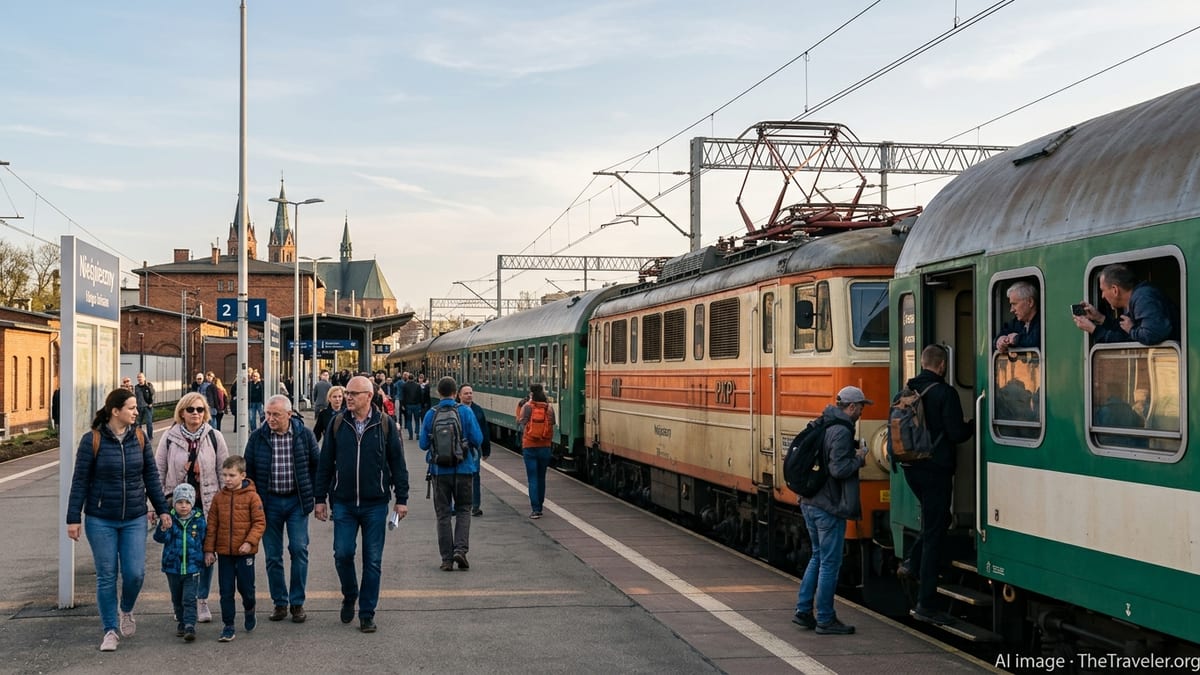
Value Pressures Push Travelers Toward New City Break Hubs
Across Europe, higher airfares, hotel rates and dining costs in long-established city-break favorites are prompting travelers to look for alternatives that protect holiday budgets without sacrificing culture or comfort. Publicly available price comparisons show that daily costs for accommodation, food and local transport in cities such as Istanbul, Krakow and Gdansk frequently undercut those in Paris, Rome or Amsterdam, while low-cost carriers continue to expand routes from major European hubs into both Türkiye and Poland.
Tourism statistics indicate that Türkiye has turned this price advantage into record visitor numbers. Government and trade reports for 2024 and 2025 show international arrivals exceeding 50 million visitors annually, with Istanbul and Antalya among the world’s most visited cities by foreign travelers. At the same time, central bank commentary on the tourism sector notes that competitive pricing and targeted discounts have supported demand even as global economic uncertainty has weighed on travel decisions.
In Poland, national tourism data and recent academic analysis point to steady post-pandemic recovery, with city tourism playing a growing role. Industry coverage highlights Krakow and Gdansk as leading draws for foreign visitors, while Warsaw and Wroclaw are gaining recognition as city-break options that offer strong cultural programming at lower average daily costs than many Western European capitals. Analysts note that tourism still accounts for a smaller share of Poland’s GDP than the European Union average, leaving room for growth supported by value-conscious travelers.
Budget travelers are responding not only to headline prices but also to the perception of “value density” in these destinations. Social media accounts, online forums and travel blogs frequently describe Turkish and Polish cities as places where historic districts, major museums, waterfront promenades and nightlife are clustered within walkable areas, reducing the need for costly transfers and allowing short stays of three or four nights to feel full.
Türkiye’s Historic Cities Pair Competitive Prices With Festival Energy
Türkiye’s largest cities have long combined layers of history with Mediterranean and Aegean coastlines, and recent tourism and economic reports suggest authorities and industry stakeholders are leaning on this mix to attract cost-conscious visitors. Istanbul continues to rank near the top of global city destination indices for international arrivals, while Antalya and Izmir anchor resort and cultural tourism along the coast. Official planning documents for 2025 and beyond reference efforts to integrate sustainable tourism standards and digital travel platforms, aiming to spread demand beyond peak summer months.
Festival culture is central to that strategy. Compilations of events show more than a thousand festivals across Türkiye each year, from international jazz and film gatherings in Istanbul to regional food and folk celebrations in Anatolian towns. Large-scale events such as the Istanbul Music Festival, Istanbul Biennial and the Istanbul Dance Festival draw global audiences, while local fairs and harvest festivals provide low-cost entertainment that appeals to visitors on modest budgets. Many of these events activate public squares, waterfronts and historic streets, helping travelers experience the cities without paying premium venue prices.
Price dynamics in Türkiye remain complex, with domestic inflation influencing local purchasing power, but tourism-focused analysis from the central bank indicates that competitive hotel pricing and promotional campaigns have supported occupancy rates. For foreign visitors spending stronger currencies, online booking platforms show a wide range of midscale hotels and guesthouses in Istanbul, Izmir and Antalya at nightly rates that are often significantly lower than those in Western European capitals during comparable seasons.
Travelers who prioritize cultural depth are increasingly combining city stays with nearby heritage sites. According to international heritage listings, Türkiye has expanded its roster of UNESCO World Heritage locations, including recently inscribed ancient cities and archaeological landscapes within reach of urban centers. This allows visitors to base themselves in cities such as Izmir or Ankara and book day trips to classical ruins, rock-cut monasteries or Ottoman caravanserais, effectively stretching budgets while accessing marquee sights.
Poland Builds a City-Break Circuit Around Krakow, Warsaw and Gdansk
Poland’s urban destinations are also benefitting from the shift toward more affordable European travel. National tourism overviews describe the country’s main offer as city sightseeing, historical monuments and nature-focused trips, with Krakow, Warsaw and Gdansk forming a de facto city-break triangle. Krakow remains the leading magnet for foreign visitors thanks to its preserved medieval core and royal castle, while Warsaw’s blend of reconstructed Old Town and contemporary skyline positions it as an increasingly popular capital for weekend breaks.
On the Baltic coast, Gdansk has emerged as one of Poland’s most visited cities, with municipal tourism data indicating millions of visitors annually. Reports emphasize the city’s shipyard history and waterfront redevelopment alongside cultural events such as St Dominic’s Fair, a centuries-old trade and arts festival that fills the old town with stalls, performances and installations each summer. In 2025, Gdansk’s designation as a UNESCO City of Literature added another cultural layer, signaling international recognition of its creative scene and potentially supporting further literary and arts tourism.
Industry briefings on upcoming tourism events point to continued efforts to market Poland’s cities together. One recent trade workshop series promoted regional study tours linking spa and nature experiences in Małopolska with cultural itineraries in Lower Silesia and urban stays in Warsaw, underlining how easily travelers can chain multiple Polish cities in a single trip. For budget-conscious visitors, this interconnectedness is reinforced by relatively low-cost rail networks and increasing competition among domestic and international airlines on routes into Krakow, Warsaw and Gdansk.
Academic work examining tourism in Poland notes that spending levels per visitor remain moderate and that travelers’ total expenditures do not vary dramatically across accommodation types. Observers suggest this reflects the wide availability of midrange hotels, private apartments and budget eateries, allowing visitors to control costs while still staying close to historic centers and major attractions.
Festivals and Cultural Calendars Stretch the Shoulder Seasons
Both Türkiye and Poland are using festivals and event programming to extend the traditional city-break season beyond summer peaks. In Türkiye, curated lists of annual events show that major cultural happenings in Istanbul, Ankara and Izmir now span spring and autumn, including film festivals, design weeks and contemporary art biennials. This scheduling encourages short, targeted trips at times when airfares and hotels tend to be cheaper, reinforcing the perception of value.
Poland’s cultural calendar follows a similar pattern. Tourism publications and city guides highlight a succession of music, theatre and film festivals across Warsaw, Krakow, Wroclaw and Gdansk, alongside Christmas markets and winter light festivals that fill old town squares in the colder months. For travelers balancing budgets, these events offer structured reasons to visit in shoulder seasons, when crowds thin and room rates fall.
Observers note that such programming can change the economics of short city visits. A traveler booking a three-night stay in Krakow or Istanbul around a festival can access multiple performances, exhibitions or street events included in modestly priced passes or even offered free in public spaces. That contrasts with some Western European destinations where headline shows and attractions command premium ticket prices, quickly inflating daily expenditure.
The strategy also aligns with broader sustainability debates in tourism. Research into city-trip recommendation systems points to the potential benefits of distributing visitor flows more evenly across the calendar and encouraging stays in destinations where infrastructure can accommodate growth without excessive environmental strain. By spotlighting culturally significant but comparatively affordable cities, Türkiye and Poland are positioning themselves within this emerging narrative of more balanced, lower-impact travel.
Exceptional Value Reframes the Classic European City Break
For a growing segment of travelers, the European city break is no longer synonymous with the most expensive capitals on the continent. Price-conscious visitors comparing options for long weekends or short holidays are finding that Istanbul’s skyline, Krakow’s market square, Warsaw’s museums or Gdansk’s waterfront can deliver experiences that feel quintessentially European while keeping costs under closer control.
Recent tourism performance figures from Türkiye, together with Poland’s steady visitor growth and ongoing investment in cultural infrastructure, suggest that this shift is more than a passing trend. While both countries still face challenges related to inflation, regional security perceptions and infrastructure pressures, the combination of accessible prices, rich heritage and evolving festival scenes is giving them an advantage as travelers weigh where to spend limited discretionary income.
Travel industry analysts expect that as air connectivity improves and event branding strengthens, more first-time visitors to Europe will consider crafting itineraries centered on these destinations. Repeat travelers, meanwhile, are increasingly using Istanbul, Krakow, Warsaw or Gdansk as bases for regional exploration, treating them not just as budget alternatives to Western Europe but as gateways to their own distinct cultural landscapes.
The result is a redefinition of what a “budget” city break can look like. In Türkiye and Poland, modest daily spending can unlock frescoed churches, Ottoman palaces, riverfront promenades and late-night jazz clubs, underscoring how shifting economics and savvy cultural programming are rewriting the map of affordable urban escapes in Europe.