


More news on this day
Travel across parts of the United Kingdom faces disruption as dense fog rolls in under a yellow weather warning, cutting visibility on key road and rail routes and threatening delays at major airports.
Get the latest news straight to your inbox!
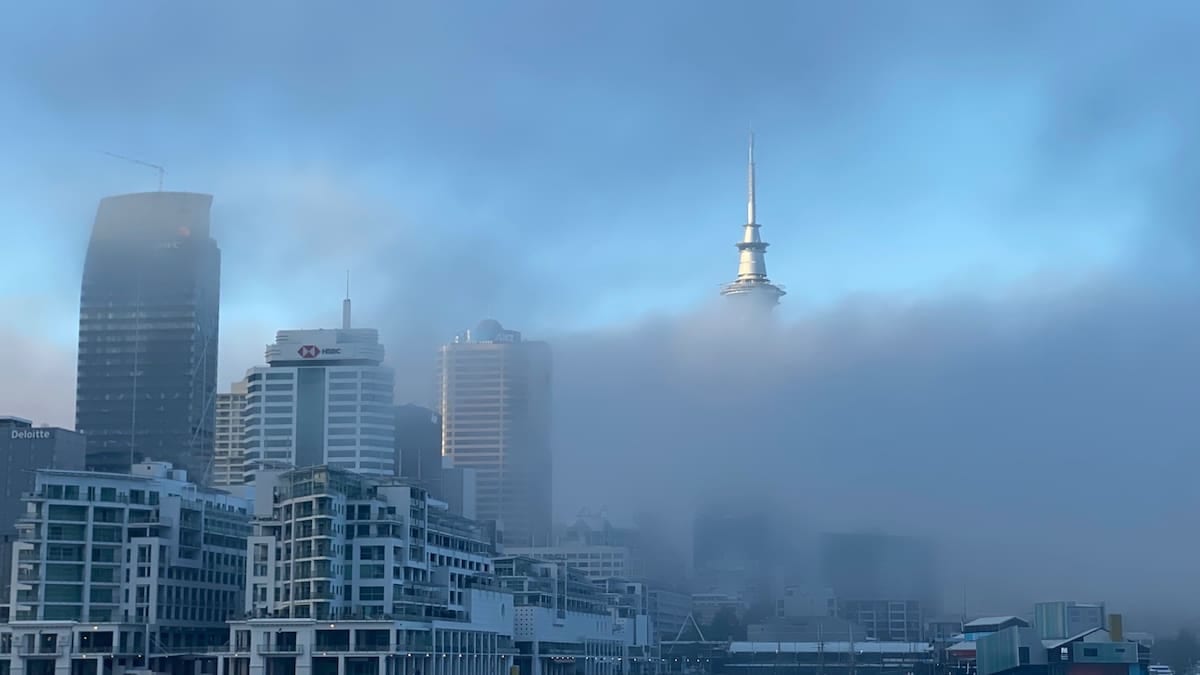
Fog warning in force across large parts of the UK
Publicly available information from the Met Office shows a yellow warning for fog in place from 18:00 on Sunday 8 November until 11:00 on Monday 9 November 2026, covering large areas of England, Wales and Northern Ireland. The alert highlights a risk of dense patches where visibility may fall below 100 metres, particularly overnight and during the Monday morning peak.
According to published coverage, the warning extends over most of southern England, much of the Midlands and pockets of northern England and Wales. Locations highlighted in media reports include Liverpool, Sheffield, York, Cardiff and Wrexham, reflecting how the conditions are affecting both coastal and inland corridors.
The Met Office risk matrix categorises the alert as high likelihood with a moderate impact, meaning that disruption to everyday activities such as commuting and regional travel is considered plausible. Travellers are being advised through forecast updates to monitor conditions closely and be prepared for slower journeys on Monday morning.
Forecast detail indicates that fog will tend to form and thicken during the evening and overnight period before gradually lifting into low cloud or haze through late morning. However, experience from similar recent events suggests that in some sheltered valleys and low-lying routes, visibility can remain poor into midday, particularly where winds stay light.
Impact on motorways and key road corridors
National Highways guidance describes fog as a major travel hazard, particularly on high-speed roads such as motorways and dual carriageways. With the warning area including long stretches of core strategic routes, drivers using parts of the M1, M4, M5, M40 and M25, along with radial routes into major cities, are being urged via travel bulletins to expect reduced visibility and slower traffic flows.
Official safety advice for English motorways recommends using dipped headlights rather than full beam in fog, as stronger beams can reflect off water droplets and further reduce visibility. Drivers are also reminded that front and rear fog lights should only be used when visibility drops below about 100 metres and should be switched off once conditions improve to avoid dazzling following traffic.
National Highways material notes that fog can be highly localised, with clear stretches of road suddenly giving way to dense banks of low cloud. Overhead message signs and variable speed limits may be activated on some motorway sections where fog detection systems are installed, although signage may at times warn of fog ahead even if conditions appear clear at a particular gantry.
Road safety campaigns in the current winter season are also encouraging motorists to allow significantly greater stopping distances and to avoid abrupt braking in low visibility. Commercial fleets and coach operators are being advised in publicly available guidance to build additional contingency into schedules, particularly for early-morning departures that cross multiple forecast zones.
Rail and air travellers warned of possible delays
The yellow warning notes the potential for slower journey times on public transport, with rail passengers in affected regions advised by train operators to check for short-notice alterations. While heavy fog does not usually force widespread cancellations on the rail network, it can lead to speed restrictions on certain sections, especially where signalling sighting could be affected.
The greatest risk of outright disruption is focused on aviation. The Met Office and independent weather services highlight the possibility of delays and cancellations at airports within or near the warning area if visibility falls below the thresholds required for safe take off and landing. Previous dense fog events have seen operations reduced or temporarily suspended at London Heathrow, London City and other airports when runway visual range drops too low.
Current forecast graphics indicate that the thickest fog through the night and into Monday morning is most likely over central and southern England, a region that includes several of the country’s busiest airports as well as key business travel routes. Airline information channels are advising passengers with early flights to monitor flight status updates closely and allow extra time for extended security and boarding processes if schedules bunch up following earlier delays.
Beyond major hubs, regional airports serving cities such as Liverpool, Cardiff and Belfast lie within or close to the warning zones published for England and Northern Ireland. In past events, this has sometimes resulted in knock-on disruption for connecting flights across Europe when morning departures are held on the ground.
Guidance for drivers and passengers caught in the fog
National Highways advice for travelling in fog emphasises planning ahead, checking the weather forecast before departure and considering whether journeys through the worst-affected areas can be delayed until visibility improves. Travellers are encouraged to review available service areas and rest stops along their route in case conditions deteriorate en route and breaks become necessary.
For those who must drive, official material stresses the importance of slowing down to a speed that reflects the limited visibility, creating a larger gap to the vehicle ahead and using mirrors frequently to maintain awareness of surrounding traffic. Drivers are also reminded that cruise control and driver-assistance systems may not respond appropriately in severely reduced visibility and that manual control is preferable in such conditions.
Motorists are being urged through public information campaigns to keep windscreens and windows clear using heaters and demisters, as even a thin film of condensation can significantly worsen already poor visibility. Drivers are also advised not to rely solely on the lights of vehicles ahead, as this can give an illusion of better visibility and encourage unsafe following distances.
Public transport users are being encouraged by operators to allow extra time to reach stations and airports, to stay alert for platform or gate changes and to be prepared for crowding if services are combined or delayed. Travellers with flexible tickets or the option to rebook are being advised through customer notices to consider shifting their journeys away from the main fog period where possible.
What visitors and domestic travellers should watch for next
Forecast guidance suggests that the current fog episode is part of a broader pattern of settled, cool conditions that has persisted over the UK in early November, providing repeated opportunities for fog to form overnight. The Met Office notes that warnings may be updated at short notice if fog develops more widely or lingers longer than modelled, and that areas currently outside the yellow zone could still see localised patches of poor visibility.
For international visitors arriving in the UK over the coming days, the key message from publicly accessible travel and safety information is to stay informed and remain flexible. Checking airline, rail and motorway updates before setting out, carrying confirmed reservations and allowing generous connection times can reduce the risk of missed onward travel if delays occur.
Domestic travellers are being encouraged by transport operators and motoring organisations to make use of real-time traffic and journey-planning tools, particularly on Monday morning when commuter and school traffic coincides with the fog risk. Where employers and institutions allow, remote working or adjusted start times could help ease pressure on the road and public transport networks in the most affected areas.
As high-pressure conditions persist, further bouts of overnight fog cannot be ruled out this week even after the current yellow warning expires. Travellers planning early starts on subsequent mornings are therefore advised to keep monitoring official forecasts and to treat any fresh warnings for fog with equal caution.