


More news on this day
Thick overnight fog has shrouded large parts of South East England, with a Met Office yellow warning in force from Sunday evening into Monday morning and early reports of slower journeys on key road, rail and air corridors serving London and surrounding counties.
Get the latest news straight to your inbox!
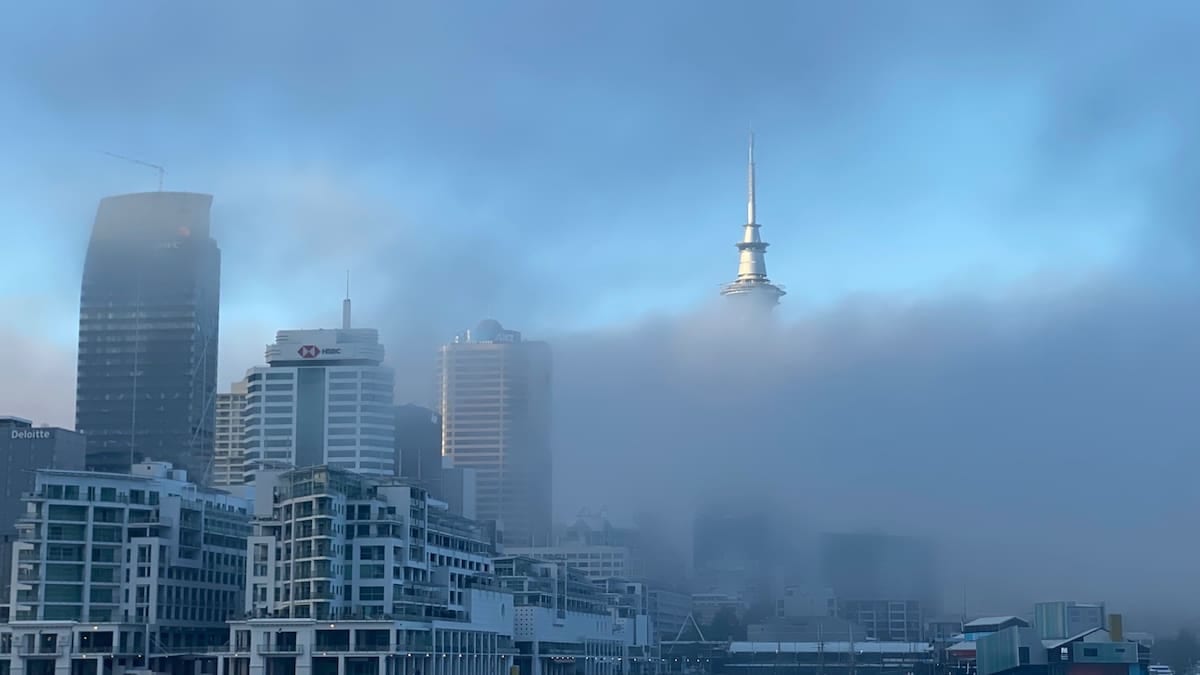
Met Office warning covers major South East transport corridor
According to the Met Office’s national severe weather warning service, a yellow warning for fog was issued from 18:00 on Sunday 8 November until 11:00 on Monday 9 November, covering London and South East England alongside neighbouring regions. Publicly available information describes widespread fog, locally dense, with visibility in some locations expected to fall below 50 metres.
The warning area stretches across a broad swathe of eastern and southern England, with mapping from the Met Office and related data services showing the zone extending from around York in the north to near Bath in the south west, and taking in much of the South East’s commuter belt. The advisory notes that fog patches are likely to form readily overnight and become extensive by the early commute, before lifting only gradually through late morning.
Yellow alerts are classified by the Met Office as having a high likelihood of occurring but a moderate overall impact. Guidance linked to the warning highlights the potential for slower journey times on roads, delays to bus and rail services and a risk of flight delays or cancellations where visibility drops at airports.
The current fog warning follows a series of unsettled weather episodes across the UK during 2026, but stands out for its timing across a busy November weekend and Monday commute, focusing attention on how reduced visibility can disrupt day to day travel even in the absence of high winds or heavy rain.
Road users face reduced speeds and local gridlock
Traffic updates from highway authorities and motoring organisations on Monday morning indicate that the thickest fog is affecting low lying stretches of the motorway network and major A roads across the South East, particularly on routes radiating from London. Drivers on the M25, M3 and M4 have reported long sections of carriageway where visibility drops sharply, prompting widespread use of fog lights and reductions in speed.
Publicly available travel guidance linked to the Met Office warning advises motorists to allow extra time for journeys, check lights before setting out and be prepared for sudden banks of fog, especially on higher speed roads. Some local authorities are signalling that congestion is building earlier than usual around key junctions and orbital routes as traffic flow slows.
In urban areas, reports from local media outlets suggest that conditions vary street by street, with dense patches near rivers and open ground contrasted with slightly clearer visibility in built up centres. However, transport commentators note that even modest reductions in visibility at busy roundabouts and junctions can be enough to cause tailbacks when combined with commuter volumes.
Road safety campaigns referenced in official winter travel guidance also stress that stopping distances increase significantly when drivers are negotiating poor visibility and damp road surfaces, a combination that is currently present across much of southern England after recent unsettled weather.
Rail operators warn of slower services and signalling impacts
National rail information feeds for the London and South East region on Monday morning show a pattern of minor delays across several commuter operators rather than widespread cancellations. Dense fog can require drivers to proceed more cautiously on certain sections, particularly where line side visibility and sighting of signals are affected.
According to network operations guidance available for the UK rail system, low visibility can also have indirect effects, such as limiting the speed at which engineering checks are carried out and contributing to knock on delays if train paths become congested. With the current fog warning overlapping with the start of the working week, even short timetable slippages on busy suburban and intercity routes can quickly ripple through peak services.
Some regional news outlets report that operators serving the orbital routes around London and the main lines into major terminals are advising passengers to check journey planners before travel and allow additional time, particularly for early morning departures. While there is no indication of widespread service suspension linked solely to fog, the yellow alert raises the likelihood of localised disruption if visibility deteriorates further in specific corridors.
Industry information on past fog events highlights that delays can persist for several hours after a warning period ends, as operators work to reset rolling stock diagrams and restore normal headways. Travellers across the South East may therefore continue to experience minor timetable variations into the late morning even as conditions gradually improve.
Airports across South East prepare for visibility‑related delays
The Met Office warning explicitly references the possibility of flight delays and cancellations where dense fog coincides with peak air traffic periods. Major South East airports, including London Heathrow, London Gatwick, London City, Luton and Stansted, all fall within or close to the broader warning area highlighted in recent coverage by national broadcasters and newspapers.
Commercial aviation guidance publicly available from UK air navigation sources explains that modern landing systems allow many aircraft to operate safely in low visibility, but a persistent blanket of thick fog can still disrupt operations. Reduced runway capacity, greater spacing between aircraft and the need to divert some flights can lead to knock on delays even where the majority of movements continue.
News coverage on Sunday and early Monday notes that airlines are encouraging passengers to monitor live departure boards and sign up for alerts, particularly for early morning flights when fog has been slowest to clear in recent events. Short haul European services and domestic connections are often the first to be adjusted when visibility drops below operating thresholds.
Additional pressure is likely at South East airports because the fog event follows a busy period of autumn leisure and business travel. With aircraft and crew schedules already tightly planned, analysts point out that even a limited number of low visibility take off and landing restrictions can have an outsized impact on punctuality throughout the day.
Warnings highlight evolving pattern of UK weather disruption
Travel analysts observing the current fog episode note that the Met Office’s yellow alert has once again demonstrated how relatively common weather events can create significant challenges for tightly loaded transport networks. This latest warning has been in place across parts of England and Wales since Sunday morning, including London and the South East, and is being updated as fog patches form and thin.
Recent guidance on the UK’s severe weather warning framework explains that yellow alerts are often issued when impacts will be limited to certain locations or time windows, but where individuals planning essential travel may still need to adapt routes or schedules. For the South East, that has meant clear communication about the heightened risk of slower journeys, as well as advice to use journey planners and check operator updates before setting out.
Weather and transport briefings published over the past year have underlined that fog joins a growing list of hazards, alongside wind, rain, snow, ice and heat, that are regularly covered by colour coded alerts. For travellers, the present event serves as a reminder that seemingly routine conditions such as reduced visibility can have multi‑modal impacts, prompting road users, rail passengers and air travellers alike to build greater flexibility into their plans when a yellow warning is in force.
With the current alert for fog across London and the wider South East scheduled to expire by late Monday morning, attention is likely to turn to how quickly services can return to normal and what lessons transport operators may take from yet another test of the region’s resilience to disruptive weather.