


More news on this day
Buffalo’s bid to become a regular stop on Great Lakes cruise itineraries is moving from planning to construction, with work on a new Outer Harbor cruise terminal expected to begin in August following a key state development board approval.
Get the latest news straight to your inbox!
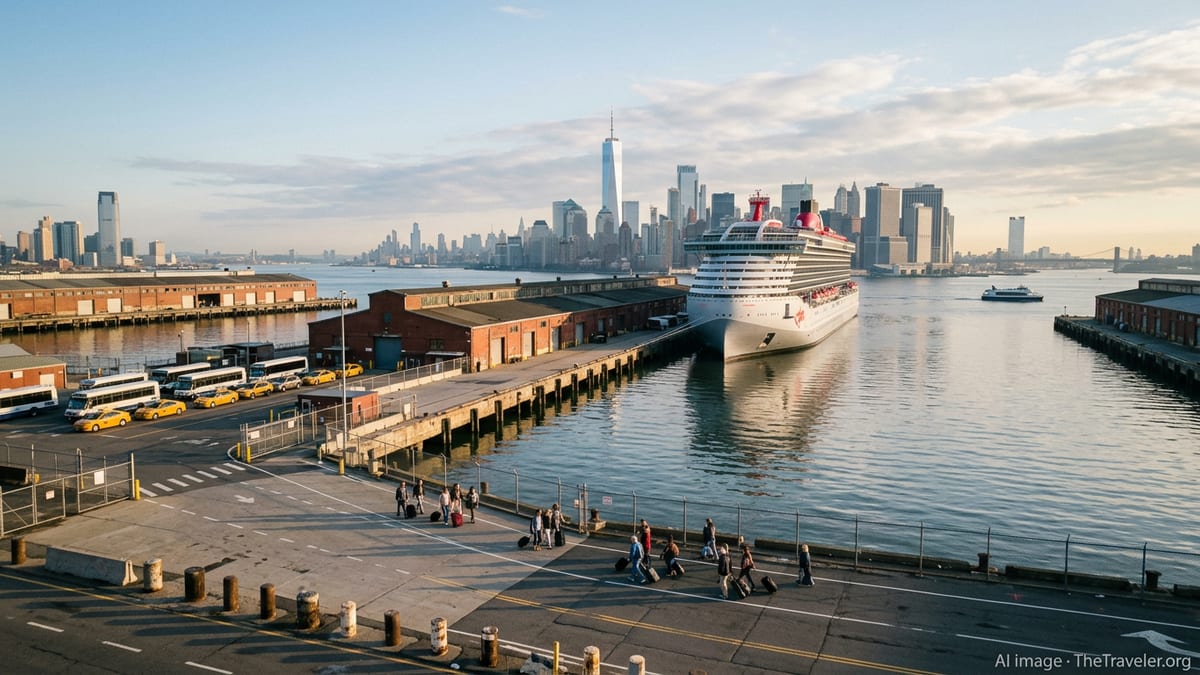
State development board clears first construction phase
Publicly available meeting records and recent local coverage indicate that the Erie Canal Harbor Development Corporation has approved a construction contract valued at up to $13.4 million for Phase One of the Buffalo Cruise Terminal project at Slip 2 on Fuhrmann Boulevard. The decision authorizes work on a site that has sat largely vacant since the demolition of the former Pier Restaurant nearly two decades ago.
Reports indicate that the contract covers core civil and marine work needed to transform the Slip 2 parcel into a functioning berth for Great Lakes cruise vessels. The initial phase is expected to focus on dock improvements, utility connections and related site preparation to accommodate passenger ships beginning later this decade.
According to recent coverage from regional public media, construction under the new contract is anticipated to start in August, aligning with earlier state timelines that target a 2028 summer opening for a fully operational terminal complex. The August start would follow several years of design, environmental review and market analysis examining Buffalo’s potential role in the Great Lakes cruise network.
The decision by the state-controlled development entity follows previous approvals for construction management services and design work, signaling that the project has now moved decisively from the planning table to the construction calendar.
Outer Harbor Slip 2 to anchor Buffalo’s cruise ambitions
The new terminal is planned for Slip 2 on Buffalo’s Outer Harbor, a location identified in state market studies as one of the most promising sites for cruise infrastructure along the city’s waterfront. Renderings released in May show a modern terminal building, new public spaces and upgraded docking facilities designed to handle Great Lakes cruise ships that commonly carry a few hundred passengers each.
Published material from New York’s economic development agencies describes Slip 2 as a strategic site, combining deepwater access on Lake Erie with proximity to downtown attractions, the Canalside district and regional transport links. The project is framed as part of a broader effort to reuse underutilized industrial parcels on the Outer Harbor for recreation and tourism-focused developments.
Reports on the terminal design indicate that the facility is being envisioned as both a port of call and a potential homeport, meaning cruises could start or end in Buffalo. That role would require processing embarking and disembarking passengers, luggage and tour operations, and would position the city as a gateway to Niagara Falls and other Western New York destinations.
The new infrastructure is also expected to coordinate with existing waterfront amenities, including nearby parks and marinas, to offer visitors direct access to walking paths, viewpoints and cultural sites along the shoreline shortly after they disembark.
Great Lakes cruise calls already arriving ahead of build-out
Even before construction of the permanent terminal begins, Great Lakes cruise ships have started to appear on Buffalo’s waterfront. Tourism listings released for the 2026 season show multiple scheduled calls by small cruise vessels, using temporary docking arrangements near Erie Basin Marina and the Outer Harbor.
Recent business coverage notes that lines such as American Cruise Lines are including Buffalo on regional itineraries, reflecting growing interest in Great Lakes cruising among domestic and international travelers. These early visits are being accommodated with interim infrastructure while work proceeds at Slip 2.
Supporters of the project argue, in published commentary, that the arrival of cruise calls ahead of the terminal’s completion helps build visibility for Buffalo as a waterfront destination. The activity offers a practical test of passenger flows, shore excursion logistics and local spending patterns before the more permanent facility opens later in the decade.
Tourism organizations in the region have begun promoting opportunities for residents and visitors to view the ships as they dock along the waterfront, positioning the port calls as part of a wider narrative of Buffalo’s waterfront revival and growing leisure economy.
Economic impact and waterfront transformation expectations
State-sponsored market studies and planning documents project that a dedicated cruise terminal could generate new visitor spending across hotels, restaurants, attractions and transportation services in the Buffalo Niagara region. Analysts point to the city’s proximity to large population centers within a day’s drive and its established tourism draw from Niagara Falls as factors supporting the investment.
The Phase One construction contract, valued in the tens of millions of dollars, is also expected to create a wave of construction-related employment. Local reporting indicates that the awarded contractor is a Western New York firm, suggesting that a significant portion of the project’s labor and subcontracting activity may stay within the regional economy.
Beyond immediate economic effects, the terminal is being discussed in public forums as a catalyst for further Outer Harbor improvements, including enhanced public access, additional recreation amenities and potential private development on nearby parcels. The project joins recent investments in parks, trails and event spaces that are reshaping the once-industrial lakeshore.
Observers note that the cruise terminal could also help diversify Buffalo’s tourism base by adding higher-spending cruise visitors to a mix that already includes sports fans, heritage travelers and regional leisure visitors, potentially smoothing seasonal swings in demand.
Next steps as August start date approaches
With the construction contract for Phase One now authorized, the coming weeks are expected to focus on final pre-construction work, including permitting, mobilization planning and coordination with existing waterfront users. Public information indicates that the Outer Harbor has seen multiple overlapping projects in recent years, requiring careful staging to minimize disruption.
As August approaches, residents and visitors to Buffalo’s waterfront are likely to see increased activity around Slip 2, including equipment deliveries, site fencing and preliminary ground work. This visible progress would mark a notable milestone for a project first floated several years ago as part of a broader Great Lakes cruise strategy.
Project documents outline a multi-year build-out, with the initial phase of marine and site infrastructure leading into later phases that are expected to include a dedicated terminal building and additional passenger amenities. The overall schedule aims to bring the facility into full operation in time for the 2028 summer cruise season.
For Buffalo’s tourism and waterfront redevelopment efforts, the anticipated August construction start represents a shift from concept to reality, signaling that the city is moving ahead with its plan to claim a more prominent place on the Great Lakes cruising map.