


More news on this day
A cluster of smaller European countries, led by Bulgaria, Montenegro and Belgium, is emerging as the continent’s new wave of underrated getaways, attracting travelers seeking culture, nature and value away from traditional hotspots.
Get the latest news straight to your inbox!
Bulgaria Steps Into the Schengen Spotlight
Long treated as an afterthought beside Mediterranean favorites, Bulgaria is increasingly positioned as a year round destination combining Black Sea beaches, ski resorts and historic cities. Publicly available information shows that tourism already plays a significant role in the national economy, with more than 13 million foreign visitors recorded in 2024, suggesting that the country’s profile abroad is now shifting from niche to mainstream.
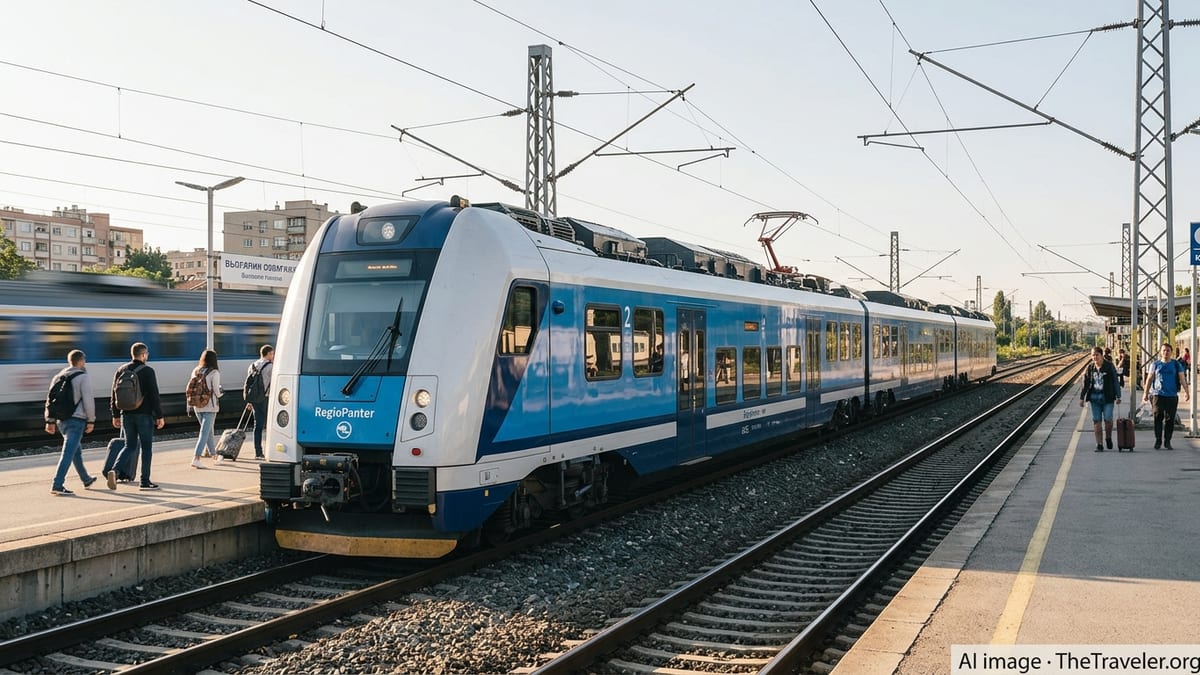
Attention has focused on how easier access is accelerating this change. Bulgaria’s phased entry into Europe’s passport free Schengen travel area, completed for air and sea borders in 2024 and set to expand on land, has reduced friction for visitors connecting through major European hubs. Industry observers note that streamlined border checks, coupled with a relatively affordable cost of living compared with Western Europe, are helping the country appeal to budget conscious and mid market travelers.
Destination marketing is also leaning into Bulgaria’s diversity. Coastal resorts along the Black Sea continue to draw summer holidaymakers, while mountain regions such as Bansko and Borovets are promoted as alternatives to better known Alpine ski areas. Historic centers like Plovdiv and Veliko Tarnovo, with Roman theaters and medieval fortresses, are being framed as lower crowd options for travelers who might otherwise default to Rome or Prague.
There is growing emphasis on wellness and spa tourism anchored in Bulgaria’s long tradition of mineral springs. Recent coverage highlights investments in spa hotels and balneological centers around historic towns, presenting the country as a place where visitors can combine nature, culture and health focused travel within a single itinerary.
Montenegro Rides the Balkan Renaissance
Across the Adriatic, Montenegro has moved from relative obscurity to one of the most talked about small destinations in Europe. Official survey summaries released in 2024 indicate that more than 94 percent of international guests would recommend the country to others, an unusually high satisfaction rate that underscores its growing reputation among repeat visitors and first timers alike.
New data from the national statistics office shows that Montenegro recorded more than 2.6 million tourist arrivals and over 15.5 million overnight stays in 2024, consolidating a rebound that began after the pandemic. Analysts point to this performance as evidence that the country is successfully capitalizing on demand for coastal and nature based trips at a smaller scale than neighboring Croatia and Greece.
Montenegro’s appeal is centered on its compact geography. The medieval bay of Kotor, often described as fjord like, has become a headline destination for culture and cruise traffic, while Budva and Sveti Stefan continue to attract beach focused travelers. Inland, national parks such as Durmitor and Prokletije offer hiking, rafting and high mountain scenery, allowing visitors to shift from coast to peaks in a matter of hours.
Travel commentators increasingly frame Montenegro as part of a wider Balkan circuit that includes Bosnia and Herzegovina, Albania and northern Greece. This positioning, backed by new flight connections and cross border road improvements, enables multi country itineraries where travelers can experience several underpublicized destinations in one trip, often at prices lower than in Western Europe.
Belgium’s Second Cities Gain Ground
Belgium, long overshadowed by Paris, Amsterdam and London in northern Europe itineraries, is undergoing a quieter reappraisal as visitors look beyond Brussels and Bruges. Tourism statistics from Visit Flanders indicate that the region attracted nearly 15 million tourists in 2024, surpassing pre pandemic levels, with historic cities such as Antwerp and Ghent drawing an increasing share of international guests.
Antwerp has emerged as a particular standout. Municipal figures for 2024 describe a record year for overnight stays, with approximately 2.7 million registered and a growing majority of visitors arriving from abroad. In summer 2024, mobile phone data compiled by the city showed a more than 6 percent rise in overnight tourism compared with the previous year, reinforcing its status as a rising city break destination.
International travel media have also turned the spotlight on Belgium’s lesser known urban centers. Antwerp has been repeatedly highlighted by lifestyle and newspaper travel sections as a fashion and design hub, while Ghent is promoted for its canal side streets, medieval towers and large low traffic historic core. Tourism brochures emphasize that both cities are within easy rail reach of Brussels and other Benelux hubs, positioning them as convenient add ons or alternative bases.
Local and regional campaigns are increasingly aligning with changing traveler priorities. City marketing materials foreground walkability, cycling infrastructure and cultural events, responding to demand for slower city trips that balance museums and nightlife with public transport access and sustainability. This has contributed to a perception of Belgian cities as attractive but still relatively undercrowded compared with Europe’s headline capitals.
Rail, Value and the Search for “Second Tier” Europe
The rise of destinations such as Bulgaria, Montenegro and Belgium’s smaller cities is occurring alongside broader structural shifts in how travelers move around Europe. Recent Europe wide tourism and transport reports show that the continent recorded more than 740 million international arrivals in 2024, with many visitors now combining several countries in one trip and seeking less congested stops along major routes.
Rail accessibility is one factor behind the rebalancing. Central European networks make it relatively straightforward for visitors to tack on stops in Belgium’s historic cities to itineraries that already include Paris or Amsterdam, while improved cross border services in the Balkans are gradually making overland journeys through Slovenia, Croatia, Bosnia and Montenegro more practical. Travel features increasingly highlight these multi leg trips as lower carbon alternatives to short haul flights.
Value for money is another driver of interest in Europe’s perceived “second tier” destinations. Comparative analyses regularly list Bulgaria and Montenegro among the more affordable countries on the continent for accommodation, food and local transport, particularly outside peak summer periods. Belgian cities beyond Brussels, meanwhile, tend to command slightly lower hotel rates than some neighboring capitals while offering comparable cultural attractions.
At the same time, tourism researchers note that social media and online forums are amplifying word of mouth recommendations about overlooked places. Discussions on travel focused platforms now routinely mention cities such as Plovdiv, Kotor, Ghent and Antwerp as alternatives to crowded staples, suggesting that digital communities are playing a growing role in directing visitor flows toward lesser known corners of Europe.
Balancing Popularity With Sustainability
As these destinations gain prominence, questions are emerging about how to manage growth without replicating the overtourism pressures seen in some of Europe’s biggest draws. Academic work on tourism planning and city trip recommendation systems published in 2024 emphasizes the need to integrate carbon emissions, seasonality and visitor density into how destinations are promoted, so that benefits are spread across regions and throughout the year.
Cities like Ghent, which promotes one of the largest low traffic historic centers in Belgium, are increasingly cited in policy papers as examples of how urban design can support sustainable tourism by prioritizing pedestrians and cyclists. Antwerp’s efforts to extend city pass schemes and highlight public transport access reflect similar priorities, encouraging visitors to explore without relying on private vehicles.
In Bulgaria and Montenegro, authorities and local businesses are under pressure to ensure that rapid growth in tourist arrivals does not overwhelm coastal ecosystems or historic sites. Publicly available strategies point to investments in infrastructure, heritage preservation and diversification into spa, rural and adventure tourism as tools to distribute visitor spending more evenly and reduce peak season strain on beaches and city centers.
For now, the combination of easier access, competitive pricing and strong traveler satisfaction is propelling Bulgaria, Montenegro and Belgium’s secondary cities onto more itineraries. How these destinations manage their newfound visibility may help determine whether Europe’s current wave of underrated escapes evolves into a more balanced and sustainable tourism landscape over the coming years.