


Food is one of the biggest hidden costs on any UK family break, and Butlin’s Minehead is no exception. Long days in the Splash Waterworld, fairground rides and evening shows mean hungry kids and tired adults who do not always want to cook or search town for a table. Butlin’s answer is a set of dining plans that bundle breakfast and dinner into a fixed per-day price. On paper it sounds simple and great value, but once you factor in real-world prices, quality, and flexibility, is it actually worth paying for the Butlin’s Minehead dining plan?
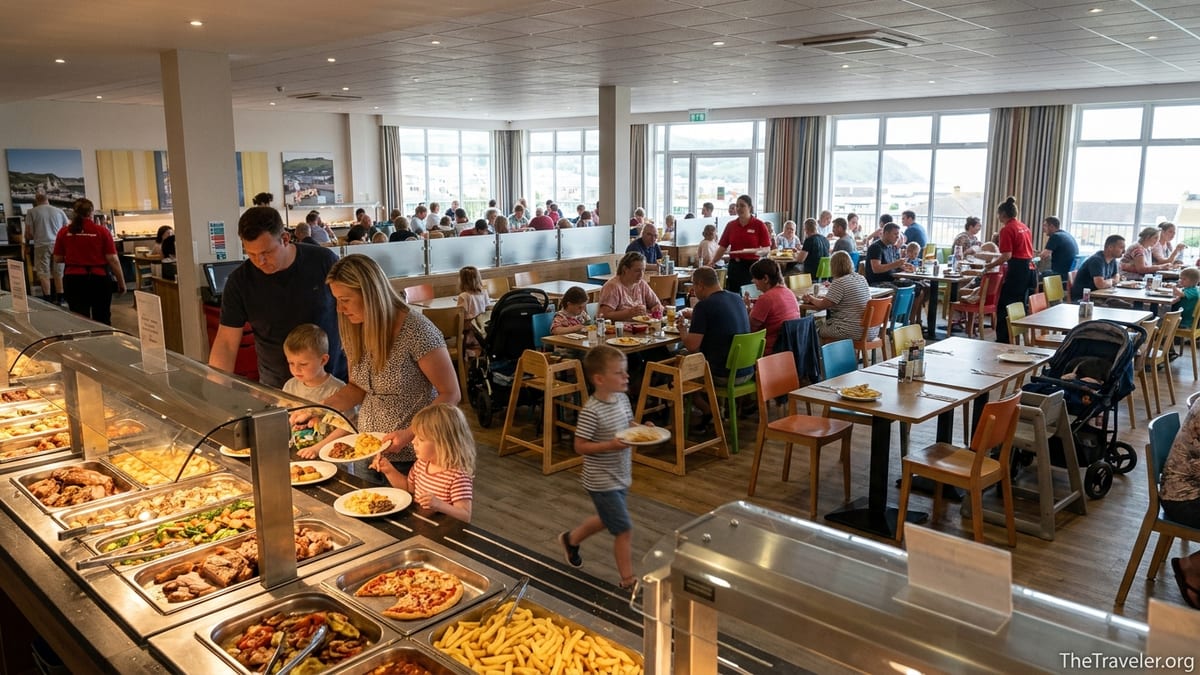
How Butlin’s Minehead Dining Plans Work
At Minehead, Butlin’s offers three core dining options that behave like half-board: Food Court Dining, Premium Dining and DineAround. All include buffet-style breakfast and dinner, with DineAround adding flexibility to eat in selected on-site restaurants instead of a single buffet venue. You add the plan when booking your break, paying per person per night, and then simply check in at your allocated restaurant or chosen venue each mealtime.
Official comparison grids for 2023 and 2024 put Food Court as the cheapest tier, Premium in the middle and DineAround at the top, with indicative prices starting from around £22–23 per adult per day for Food Court and around £29–30 for Premium and Hotel-style dining, with children’s pricing several pounds lower. These are “from” rates and can move up with date and demand, but they give a realistic ballpark: a family of four with two adults and two children can easily be looking at roughly £75–90 per day for Food Court and £95–110 for Premium, before any extras like drinks in the entertainment venues.
What you get for that daily rate is essentially an all-you-can-eat breakfast buffet plus an all-you-can-eat dinner buffet, typically in one of the main Minehead buffet restaurants such as The Deck, The Yacht Club, Quayside or Ocean Drive for Premium, or the Food Court restaurants for the budget tier. The dining plans do not usually cover lunch as standard, although Butlin’s has introduced a paid lunch add-on that can be bolted onto buffet plans, often priced at only a few pounds per adult per day and less for children, to fill the mid-day gap with burgers, jackets and other quick-serve options in selected outlets.
Crucially, you do not need a plan to eat on site. Butlin’s Minehead has a line-up of walk-in restaurants and takeaways, including The Diner, Firehouse Grill, Beachcomber Inn, Papa Johns, Fish & Chips, Chopstix and high-street brands like Burger King and Costa. You can choose to pay as you go in any of these, or mix on-resort venues with Minehead town centre pubs, fish and chip shops and supermarkets. The dining plan is optional, and evaluating its value means comparing the fixed daily cost against what you are realistically likely to spend if you self-cater or pay for meals individually.
Food Court vs Premium vs DineAround: What You Actually Get
The Food Court Dining Plan is Butlin’s budget option and is only available in the Food Court buffet venues. The atmosphere here is often described by recent visitors as closer to a canteen than a restaurant, with bright lighting, long rows of tables and a focus on volume rather than presentation. Typical dinner options include family staples like pasta, basic curries, roast meats with vegetables, pizza slices, sausages, chips and a basic salad bar. For many families, especially with younger children, this is perfectly acceptable comfort food that keeps everyone fed without fuss, but expectations should be set accordingly.
Premium Dining is designed to feel more like a hotel buffet experience. At Minehead this usually means access to buffet restaurants such as The Deck or The Yacht Club, where there tends to be a broader and more polished spread. Guests describe live cooking stations, more varied themed nights, better quality cuts of meat, more choice for vegetarians and generally stronger dessert counters. At breakfast you are more likely to find cooked-to-order eggs, pancakes or omelettes rather than just pre-prepared trays, plus extras like pastries and continental options that feel closer to a mid-range hotel buffet than a holiday camp.
DineAround takes things up another notch, not necessarily by improving food quality but by giving you more flexibility. Instead of restricting you to the buffet halls, it allows you to use daily dining credits in a range of Minehead restaurants, such as The Diner, Firehouse Grill, Beachcomber Inn, Papa Johns buffet or Chopstix, depending on how the package is structured for your dates. In practice, this means that one evening you might have a sit-down burger meal in The Diner with refillable soft drinks, another you might opt for a pizza buffet at Papa Johns, and on a third evening circle back to the Premium buffet. For families who do not like eating in the same hall every night, that variety can be as important as the food itself.
On the ground, the difference between Food Court and Premium at Minehead can be felt as much in pacing and ambience as in what sits on the plate. Premium dining rooms tend to feel calmer, with slightly more space between tables, while Food Court can be louder and more hectic during peak school holiday sittings. For some families that energetic atmosphere is part of the fun; for others it becomes a reason to justify paying the extra daily supplement for Premium or DineAround.
What It Really Costs: Numbers From Recent Stays
Because Butlin’s uses dynamic pricing, giving one definitive figure for the Minehead dining plan is impossible. However, recent guests have reported Food Court packages around the £180–200 mark for three people for a four-night half-term stay, which works out at roughly £15–17 per person per meal for breakfast and dinner together. That aligns broadly with the official “from” prices published for recent seasons, which translate to something like £22–23 per adult per day and roughly £14 per child, depending on break type and date.
Premium Dining tends to be priced roughly £6–8 per adult per day above Food Court, with a smaller gap for children. Across a typical three-night weekend for a family of two adults and two children, that might be an additional £60–80 total to move from Food Court to Premium. For a longer four-night Showtime or Just for Tots midweek break, the difference could run to £80–100 or more. DineAround usually comes in higher again, potentially adding another £5–7 per adult per day on top of Premium, though exact figures depend heavily on offers and the time of year.
To put those numbers into context, consider what you would pay if you skipped the plans entirely and paid as you go. Breakfast in a UK seaside town café for a family of four can easily run £30–40 for a mix of cooked breakfasts and drinks. An on-resort breakfast in Costa with pastries and hot chocolates may not be much cheaper once everyone has picked something. Dinner at an on-site restaurant like Firehouse Grill or Beachcomber Inn will commonly land around £45–60 for four people once you include mains, at least one round of soft drinks and perhaps a shared dessert. A Papa Johns pizza takeout with sides can reach £30–40, especially if you are feeding teenagers.
If you run a quick mental tally for a day of independent dining, you might spend £35–40 on breakfast plus £50–60 on dinner, so around £85–100 per day for a family of four without a plan, assuming you stay mostly on resort. Compare this to roughly £80–110 per day for the main dining plans and it becomes clear that the value equation is tight: you are rarely saving a huge amount in absolute cash terms, but you are fixing your costs upfront and removing the friction of calculating every menu price during the trip.
Quality, Variety and Special Diets at Minehead
The overall consensus from recent guests is that food quality across Minehead’s buffet restaurants is solid but not gourmet, and that Premium Dining usually delivers a noticeable step up from Food Court. At breakfast, Premium venues often serve fresher pastries, better sausages and bacon, and more fruit and yoghurt choices. Dinner in the Premium buffets might feature carvery joints, better fish options, themed nights such as Italian or Asian-inspired selections, and more imaginative vegetarian dishes than the basic pasta and sauce that sometimes dominates the Food Court line-up.
Food Court buffets, while less polished, are praised by many families for doing the basics well: chips that children happily eat, a predictable selection of kid-friendly dishes and the ability for fussy eaters to return again and again until they find something. Parents who value predictability over culinary surprise often feel that the cheaper plan is good enough, especially on short breaks of two or three nights where repetition in the buffet does not have time to become tiresome.
One area where Premium and DineAround can shine is in catering for different dietary needs. Butlin’s publicly commits to providing vegetarian and vegan options daily and to handling common allergens with clear labelling. In practice, guests with dietary requirements often find it easier to navigate the broader choice at Premium buffets or in table-service venues like The Diner and Firehouse Grill, where staff can discuss ingredients and suggest tweaks. Vegan guests, for example, regularly mention being able to build filling meals from salads, vegetable dishes and clearly marked main courses, rather than simply picking at sides.
If someone in your group has coeliac disease, serious nut allergies or strict religious dietary requirements, the dining plan’s value should be judged less on price and more on how much it simplifies safe eating. Knowing you can walk into the same restaurant, talk to the same team and find labelled options twice a day may justify the cost even when a cold financial calculation is borderline. It is always sensible for such guests to inform Butlin’s in advance and speak to the restaurant team on arrival to understand exactly what can be catered for on their dates.
Convenience vs Flexibility: What Families Actually Experience
The biggest practical advantage of the Minehead dining plan is convenience. With breakfast and dinner prepaid, there is no need to debate restaurants after a long day in the splash pool or to patrol Minehead town centre in the rain hunting for a free table during school holidays. You simply show up at your allocated time, swipe in, and focus on filling plates. Parents often describe the psychological relief of not saying “no” every time a child wants a second pudding or another serving of chips, because one price covers unlimited food.
For families with tight daily schedules around shows, character meets and booked activities, that reliability has real value. Butlin’s Minehead entertainment guide is packed with sessions that often butt up against mealtimes, from toddler discos and arts sessions in the late afternoon to headline shows in Centre Stage or Reds early in the evening. Having a set sitting in the buffet restaurant allows you to anchor your day and then plan activities around it, rather than continually weighing up whether there is time to queue for a takeaway or sit through a table-service meal.
The drawback is that dining plans reduce flexibility. With Food Court or Premium, you will likely be eating in the same venue at roughly the same time every day for the entire break. If you wake up late and miss breakfast, or decide to spend one evening exploring Minehead beach and the harbour then grab fish and chips in town, you are effectively paying twice for that meal. Guests who like spontaneity, enjoy sampling local pubs or want to take advantage of on-resort deals such as happy hour offers in bars may find the structure a little restrictive.
DineAround addresses some of this rigidity by letting you rotate through several venues, but even then your pattern is broadly fixed: breakfast at a buffet, and one main sit-down meal elsewhere. If you picture yourself grazing all day on coffee, ice cream and small bites from kiosks, and then maybe only having a single big meal or sharing pizzas in your apartment, you may be better off without any plan and simply using Minehead’s supermarkets and high street to keep costs under control.
Sample Scenarios: When the Plan Makes Sense (and When It Doesn’t)
Consider a family of four on a four-night Showtime break in early summer, staying in a standard apartment. They are planning to spend most of their time on resort, with children aged 5 and 8 who eat fairly typical “kids’ menu” food and love a buffet. The Food Court Dining Plan is priced at roughly £85 per day total on their dates, and Premium at around £100. If they were to buy breakfast pastries and drinks in Costa each morning, they might easily spend £20–25, then eat at Firehouse Grill or The Diner in the evenings for about £55–60 including drinks. That comes to around £75–85 per day and does not include desserts or snacks. In this case, Food Court is close to break-even, with the bonus of unlimited second helpings and zero friction at the till.
Now picture a group of adults attending one of Minehead’s popular music weekends such as an 80s or 90s festival. They may not want a big breakfast every day, might skip dinner until late evening, or decide to spend a day off-site exploring Exmoor or Dunster. Many reviews from such groups mention that they preferred to pay as they go, grabbing a quick snack in a bar, a pizza from Papa Johns or even eating in town, and felt that fixed dining plans would have been poor value because they rarely sat down twice a day for full meals.
A third example is a family travelling with grandparents. Here, convenience can outweigh strict cost calculations. The older generation may appreciate the predictability and seating of a buffet restaurant like The Deck, while parents enjoy not cooking or clearing up. Even if the family takes one evening off plan to go into Minehead for a pub meal, the majority of breakfasts and dinners on site might justify the outlay, especially if they have secured a bundle deal where dining, drinks and accommodation are packaged together during off-peak term-time weeks.
Finally, consider self-catering guests who have chosen a Gold apartment or deluxe accommodation with a proper kitchen. If you genuinely expect to cook simple pasta, stir-fries and oven meals most nights and are happy to bring basics from home or shop in the local supermarket, then the daily cost of a dining plan can quickly look steep. In such cases, spending modestly on groceries plus one or two treat meals in The Diner or Beachcomber Inn during the stay often works out significantly cheaper and gives you more control over ingredients and timing, particularly for babies and toddlers with set routines.
Tips to Maximise Value if You Do Book a Dining Plan
If you decide to go ahead with a dining plan at Butlin’s Minehead, a few practical habits can make the most of what you are paying for. First, lean into the breakfast buffet. Starting the day with a substantial meal of eggs, toast, cereal, fruit and hot drinks can reduce the need for large lunches. Many families report having only light snacks at midday, such as ice creams, crisps or a shared portion of chips, and then another big dinner buffet, which arguably makes the per-meal cost of the plan more attractive.
Second, use Butlin’s app or printed entertainment guide to schedule your mealtimes around shows and activities. Premium and Food Court buffets often operate in waves, with earlier and later sittings. Choosing a slightly off-peak time can mean shorter queues at the carvery, more relaxed seating and fresher food being brought out. For instance, eating dinner just before the main early evening show can give you time to walk straight into Centre Stage rather than queuing hungry afterwards, when children may be more tired.
Third, if you have opted for Premium or DineAround, explore the full range of what is available rather than defaulting to the same plates each night. Try themed evenings, sample vegetarian mains even if you usually eat meat, and take advantage of live cooking stations for stir-fries or pasta. Not only does this make meals more interesting, but it also nudges the value equation in your favour by using the more labour-intensive and higher-cost items included in the plan.
Lastly, do not forget drinks outside meal times. The dining plans usually include basic hot drinks and juices with breakfast and dinner, but soft drinks, alcoholic drinks and speciality coffees in bars and entertainment venues are extra. Taking refillable water bottles, making good use of included teas and coffees at mealtimes and taking advantage of happy hour bar offers can keep the total holiday food-and-drink bill from creeping far above what you budgeted despite having a dining plan.
The Takeaway
When you strip away the marketing language and look at real-world numbers from recent seasons, the Butlin’s Minehead dining plan is not a dramatic money-saving hack. For many families it broadly breaks even compared with what they would likely spend on two restaurant meals a day, especially if they stayed on resort and ordered whatever they fancied without counting every chip. Where the plan really earns its keep is in convenience, predictability and the freedom to let children eat without constant price-checking.
Food Court Dining offers solid value for families who are not particularly fussy about ambience and are happy with basic buffet staples. Premium Dining adds a layer of quality and calm that many parents and grandparents appreciate, and the extra daily cost can feel justified on longer breaks or for those with specific dietary needs. DineAround is best suited to those who dislike repetitive buffets and want the option of mixing in places like The Diner, Firehouse Grill or Papa Johns without doing mental gymnastics around menu prices.
If your idea of a perfect Minehead break involves being on site from morning to late evening, eating two big meals a day and not thinking about the bill until you get home, then the dining plan is likely worth paying for, particularly when there are promotional bundles that combine food, accommodation and drinks. If you are more inclined to explore West Somerset, picnic on the beach or cook in your apartment a few nights, you may well do better without a plan and by cherry-picking the resort restaurants that appeal most.
In short, the Butlin’s Minehead dining plan is a classic case of value depending on behaviour. Be honest about how your family eats on holiday, check the current per-person prices for your chosen dates, and run a quick comparison using realistic meal costs on and off resort. For some, the answer will be an enthusiastic yes; for others, sticking with self-catering and the occasional treat meal will feel like the smarter choice.
FAQ
Q1. What exactly does the Butlin’s Minehead dining plan include?
The main Minehead dining plans are effectively half-board, covering an all-you-can-eat breakfast buffet and an all-you-can-eat dinner buffet every full day of your stay. Drinks such as tea, coffee and juices are typically included at breakfast and basic drinks at dinner, but branded soft drinks and alcohol are extra. Lunch is not usually included unless you have paid for the separate lunch add-on.
Q2. How much does the dining plan usually cost at Minehead?
Prices vary by date and demand, but official comparison figures put Food Court from roughly the low twenties per adult per day and Premium from the high twenties to around thirty pounds, with children several pounds cheaper. For a family of four, a realistic ballpark is around eighty to one hundred and ten pounds per day, depending on plan and season.
Q3. Can I choose where to eat each night on a dining plan?
With Food Court and Premium Dining, you are usually assigned to a particular buffet restaurant for breakfast and dinner, and you will eat there every day. DineAround is more flexible and allows you to use your dining credits in a range of Minehead restaurants, such as selected buffets and branded venues, but the precise list and rules can change by season, so it is worth checking when you book.
Q4. Is the food at Minehead good quality or just basic canteen fare?
Most guests describe Food Court as basic but decent canteen-style food and Premium as a noticeable step up with more varied dishes, better ingredients and a calmer setting. It is not fine dining, but many families find the quality comparable to a mid-range hotel buffet, particularly at Premium level, and children generally enjoy the choice and ability to help themselves.
Q5. What if someone in my group has allergies or follows a special diet?
Butlin’s states that its restaurants can cater for common allergies and provide vegetarian and vegan options, with clear labelling in the buffets. In practice, guests with dietary needs often find Premium buffets and table-service venues easiest to navigate. It is best to inform Butlin’s in advance, speak to the restaurant team on arrival and check what is available for your specific dates.
Q6. Is it cheaper to self-cater instead of buying a dining plan?
If you are prepared to cook most of your own meals in an apartment and shop in local supermarkets, self-catering is usually cheaper, especially for longer stays. However, once you start adding daily breakfasts in cafés and evening restaurant meals on or off resort, the cost gap narrows and the dining plans can come close to break-even while saving you time and effort.
Q7. Can I still eat in Minehead restaurants without a dining plan?
Yes. All of the on-resort restaurants and takeaways, such as The Diner, Beachcomber Inn, Firehouse Grill, Papa Johns, Chopstix and Burger King, accept walk-in guests paying cash or card, subject to availability. You can mix these with meals in Minehead town or self-catering in your accommodation without any dining plan at all.
Q8. What happens if we miss a meal that is included in the plan?
If you sleep through breakfast or choose to eat dinner in town instead of at your allocated buffet, you simply lose that meal’s value; there is no automatic refund or credit. For this reason, the plan offers best value to families who know they will use both breakfast and dinner in resort restaurants most days of their stay.
Q9. Is DineAround worth the extra over Premium Dining?
DineAround can be worth the premium if you dislike eating in the same buffet hall every night and want the option to rotate between venues like The Diner, Firehouse Grill or Papa Johns. If you are content with one good-quality buffet restaurant and are mainly focused on cost per meal, Premium Dining often offers a better balance of price and experience.
Q10. When is the dining plan least likely to be good value?
The dining plan is usually weakest value for short breaks where you plan to spend a full day off-site, adults-focused music weekends where meal times are irregular, or trips where you know you will cook in your apartment most evenings. In those situations, paying as you go and using a mix of on-resort venues, town restaurants and supermarket food is likely to cost less overall.