


More news on this day
Travelers at Baltimore/Washington International Thurgood Marshall Airport faced mounting frustration on Saturday as a cluster of delays affecting roughly 32 departures on Southwest, Frontier and Delta disrupted flights to major hubs including New York, Atlanta and Chicago.
Get the latest news straight to your inbox!
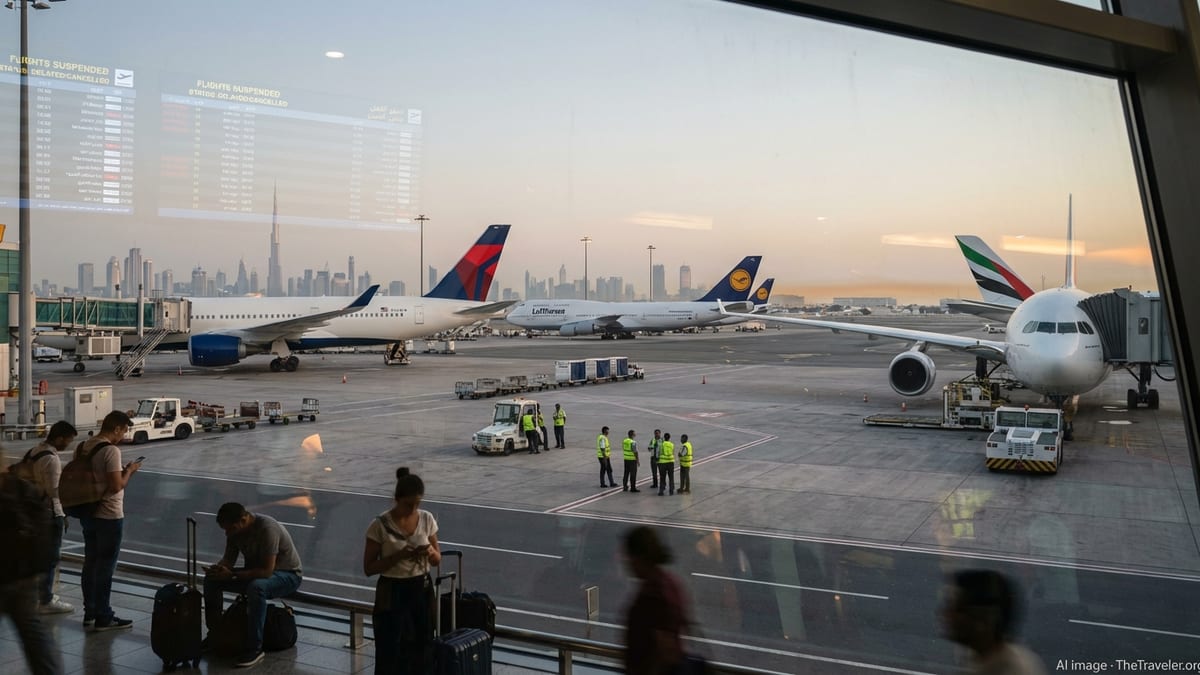
Cluster of Delays Snarls Key Domestic Routes
Publicly available flight-tracking boards for Baltimore/Washington International Thurgood Marshall Airport showed a growing list of late departures on Saturday across some of the airport’s busiest domestic routes. Dozens of flights operated by Southwest Airlines, Frontier Airlines and Delta Air Lines posted delay notices, with many of the disruptions concentrated on services to New York, Atlanta and Chicago as well as secondary East Coast and Midwest destinations.
Based on real-time departure information, at least 32 flights scheduled through the middle of the day were marked delayed rather than canceled. Many were pushed back between 30 and 90 minutes, with a handful slipping further as downstream congestion built along the East Coast corridor and through major hubs.
The pattern left passengers bound for connecting flights particularly vulnerable. With New York area airports and Chicago’s Midway and O’Hare handling large volumes of domestic connections, relatively modest initial delays at Baltimore/Washington quickly translated into missed links and longer rebooking lines.
While the precise trigger for the disruptions varied by flight, the accumulation at a single airport over several hours created what travelers on social media and aviation message boards described as localized “travel chaos,” as gate changes, rolling delay estimates and crowded seating areas became common across concourses.
Southwest Feels the Strain on Core BWI Markets
Southwest, which maintains one of its largest operations at Baltimore/Washington, saw a string of departures to Chicago, New York and other high-frequency markets put into delay status. Flight-tracking sites indicated that services on some staple routes, including Chicago and smaller Northeast cities, were departing significantly later than scheduled, often after extended ground holds.
Historic data shows that Baltimore/Washington is already among the U.S. airports with a comparatively high share of delayed or canceled flights, and Southwest’s dense schedule at the field means that modest disruptions in aircraft or crew rotations can ripple through multiple departures. When that happens on a busy weekend travel day, passengers experience crowding both at security and at the gates as they wait for updated departure times.
Travel commentary forums have frequently noted that late afternoon and evening Southwest departures from Baltimore/Washington to Chicago and other Midwest destinations are particularly susceptible to knock-on effects from earlier weather or air traffic issues in the network. Saturday’s pattern appeared to mirror that broader trend, with flights showing successively longer delays as the day progressed.
Even where individual flights ultimately departed, the compressed turnaround windows limited the airline’s ability to recover, further contributing to the sense of system strain among travelers watching departure boards fill with orange and red delay markers.
Frontier and Delta Delays Underscore Wider Network Pressures
The delays were not limited to a single carrier. Frontier and Delta, which both operate busy Baltimore/Washington to Atlanta services, also showed late-running flights on tracking platforms. Several Frontier departures to Chicago, Atlanta and Florida markets registered delays, highlighting how operational bottlenecks and congestion can spread quickly across low-cost and legacy airlines alike.
Atlanta, as Delta’s primary hub and a key link for both Southwest and Frontier, can become a choke point when weather or traffic-control restrictions arise. Earlier disruptions at Hartsfield-Jackson have in recent weeks led to hundreds of delayed flights in and out of the region, and Saturday’s hold-ups on Baltimore/Washington routes appeared consistent with that pattern of pressure on the broader network.
For Delta, even relatively short delays on the Baltimore/Washington to Atlanta corridor can have outsized impact, given the close timing of onward connections at the hub. Travelers reported online that seemingly minor schedule changes of less than an hour resulted in missed domestic and international connections later in the day.
Frontier’s point-to-point model can also amplify the effect of a single late inbound aircraft. If a plane arriving late into Baltimore/Washington is scheduled to operate successive flights to Atlanta or Chicago, each departure can be pushed back in turn, contributing to the tally of delayed services even without outright cancellations.
Weather, Air Traffic and Scheduling All in the Spotlight
Published aviation data indicates that flight delays typically stem from a mix of weather, air traffic control constraints, airline scheduling choices and aircraft or crew availability. Recent Federal Aviation Administration and Transportation Department updates have highlighted a persistent imbalance between strong passenger demand and the capacity of airports and carriers to absorb disruptions without cascading delays.
Spring and early summer often bring convective weather across the Eastern United States, forcing traffic managers to reroute or slow arrivals and departures around New York, Atlanta and Chicago. When those hubs impose ground stops or flow-control measures, the impact tends to propagate quickly to feeder airports such as Baltimore/Washington, where aircraft and crew are scheduled tightly to maximize utilization.
Industry data also shows that once a flight is delayed by more than 15 minutes, the likelihood of additional knock-on delays increases sharply as aircraft rotate through multiple legs. On busy travel days, airlines have limited spare aircraft and crews available to break this chain, resulting in the kind of stacked delays observed on Baltimore/Washington departure boards.
Analysts following airline performance note that low-cost carriers and network airlines alike have faced scrutiny in recent years over their ability to manage dense schedules in a constrained airspace environment, particularly along the East Coast corridor where many of Saturday’s delayed routes are concentrated.
What Travelers Can Do When Delays Mount
Consumer advocates recommend that passengers facing significant delays monitor flight status across multiple flight-tracking tools in addition to airline apps, as posted times at the gate can lag behind system updates. In situations where dozens of flights are affected, earlier awareness of a likely delay or missed connection can give travelers a better chance to secure alternative routings.
Published guidance from airlines and regulators also encourages passengers to familiarize themselves with each carrier’s delay and rebooking policies. While U.S. airlines are not required to provide compensation for most weather-related disruptions, many offer meal vouchers, hotel discounts or no-fee changes when delays extend several hours or when the cause lies within the airline’s control.
For departures from Baltimore/Washington to high-frequency destinations such as New York, Atlanta and Chicago, travel-planning experts often suggest building in additional buffer time for onward connections or critical events. Taking earlier flights in the day and avoiding tight layovers at major hubs can lower the risk that a localized disruption turns into an overnight stranding.
As airlines continue to operate near full capacity out of key airports, episodes like Saturday’s wave of delays at Baltimore/Washington highlight the importance for travelers of flexibility, contingency planning and close attention to real-time flight information.