


More news on this day
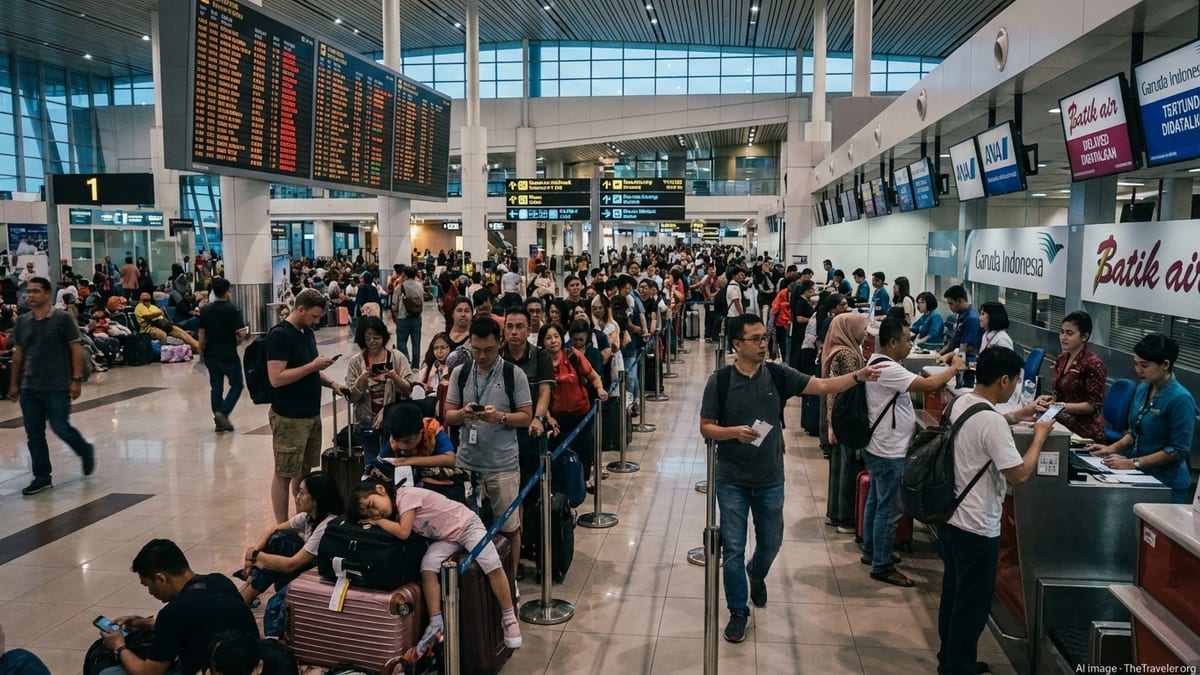
Hundreds of passengers traveling through Jakarta’s Soekarno–Hatta International Airport on May 16 faced widespread disruption as publicly available operational data and local coverage indicated at least 112 flight delays and 21 cancellations affecting services operated by Batik Air, Citilink, Lion Air, Garuda Indonesia and other carriers on key domestic and regional routes.
Get the latest news straight to your inbox!
Extensive Disruptions Across Indonesia’s Busiest Hub
Jakarta’s Soekarno–Hatta International Airport, Indonesia’s largest aviation gateway and primary hub for both Garuda Indonesia and the Lion Air Group, saw schedules heavily affected as delays and cancellations accumulated throughout the day. Flight status boards for arrivals and departures listed prolonged ground holds and rolling time changes, with disruption concentrated on short and medium haul services linking Jakarta to major cities across the archipelago.
Published flight-tracking and schedule platforms showed knock-on effects for both early morning and late evening waves, with turnaround times stretched and some aircraft returning late to Jakarta. The situation left airlines juggling aircraft and crews as they attempted to restore rotations to routes including Surabaya, Makassar, Lombok, Ambon, Pekanbaru and Padang, among others.
Soekarno–Hatta’s role as a central transit point magnified the impact, as delays on one leg often cascaded into later services. Passengers connecting through Jakarta from secondary cities reported extended layovers and last-minute gate changes, while others saw their plans curtailed entirely when flights were removed from the schedule.
The pattern followed a broader rise in operational strain visible in Indonesia’s high-density domestic market, where frequent short sectors and tight turnaround schedules leave limited margin when irregular operations occur.
Key Airlines and Affected Routes
Batik Air, Lion Air, Citilink and Garuda Indonesia featured prominently among the carriers affected, reflecting their dominant share of domestic capacity from Soekarno–Hatta. Publicly available schedules show these airlines operating dense shuttle-style frequencies from Jakarta to major destinations such as Surabaya, Bali’s Denpasar, Lombok, Makassar and Pekanbaru, routes that were among those disrupted.
On the Jakarta to Lombok corridor, for example, services marketed by Batik Air, Lion Air, Garuda Indonesia and Citilink typically operate multiple daily departures. Schedule data indicated irregular timing and re-timings on several of these flights as airlines worked around late-arriving aircraft and congestion across the network.
Other high-volume routes, including Jakarta to Pekanbaru, Ambon and Yogyakarta, similarly rely on a mix of Garuda Indonesia, Citilink, Batik Air and Lion Air frequencies. Any sustained disruption at Soekarno–Hatta quickly ripples outward to these destinations, affecting both origin-and-destination travelers and those using Jakarta as a transfer point between islands.
Smaller and newer carriers such as Super Air Jet and Pelita Air were also touched by the operational turbulence, particularly on trunk routes where they compete head-to-head with the larger brands. The result was a day of fragmented schedules in which passengers often saw aircraft operating, but not always at the originally advertised times.
Passenger Experiences and Ground Conditions
For travelers inside the terminals, the disruption translated into long waits, crowded seating areas and shifting departure boards. Social media posts and traveler forums described passengers queueing at service desks to rebook or seek clarification, with some reporting that their flights were repeatedly pushed back in small increments before eventually departing or being canceled outright.
At Soekarno–Hatta’s domestic terminals, which accommodate the bulk of flights by Lion Air Group and Garuda Indonesia Group carriers, gate areas grew increasingly congested as the day progressed. Families, business travelers and holidaymakers bound for destinations such as Lombok and Makassar were among those forced to adjust plans, including missed hotel check-ins and rebooked onward ground transport.
For those whose flights were canceled altogether, options depended heavily on remaining seat availability. With many peak-time departures already heavily booked in advance, some passengers faced overnight stays in Jakarta or alternative routings through secondary airports to reach their destinations.
The situation also highlighted the challenges of real-time communication in a fast-changing operational environment. While airline apps and online trackers offered updated departure and arrival times, some travelers reported receiving information at different times across channels, contributing to confusion about when flights would actually depart.
Operational and Weather Factors Under Scrutiny
Local aviation coverage and publicly accessible data did not point to a single cause for the disruption, instead indicating a combination of operational and possible weather-related factors. In Indonesia’s crowded airspace, minor delays can quickly feed into longer block times and late arrivals, particularly during busy morning and evening peaks when runway and taxiway demand is intense.
Analysts note that high-frequency domestic networks, such as those run by Lion Air Group and Garuda Indonesia Group, are particularly vulnerable to such ripple effects. When one aircraft runs significantly behind schedule on an early sector, all subsequent flights using that airframe risk further delay unless substitute equipment is available.
Recent advisories from carriers such as Batik Air have also drawn attention to external pressures on flight planning, including regional geopolitical developments that can require airspace rerouting on certain corridors. Although the disruptions at Soekarno–Hatta on May 16 were centered on domestic operations, such constraints add complexity to airline scheduling and contingency planning.
Industry observers view the day’s events as part of a broader pattern in which tight margins in staffing, aircraft availability and infrastructure can leave little buffer when multiple small disruptions occur simultaneously. As Indonesia’s air travel market continues to grow, calls for more resilient scheduling and capacity management are likely to persist.
What Travelers Need to Know for Upcoming Flights
The latest disruption at Jakarta’s main hub underscores the importance for travelers of closely monitoring flight status, particularly when connecting between domestic routes on tight schedules. Travel advisories and consumer-focused platforms recommend checking airline apps and airport status boards frequently on the day of travel and allowing additional buffer time for transfers, especially through Soekarno–Hatta.
Passengers booked on carriers such as Batik Air, Lion Air, Citilink and Garuda Indonesia are also encouraged to familiarize themselves with ticket conditions related to delays and cancellations. Public information from consumer rights organizations and compensation specialists highlights that, depending on route, ticket type and circumstances, options may include rebooking on the next available service, travel vouchers or partial refunds.
Travel planners suggest that those with critical time-sensitive commitments, such as same-day meetings or onward international flights, consider building in longer connection windows or opting for earlier departures where possible. For leisure travelers heading to destinations like Lombok, Pekanbaru or Ambon, flexibility around check-in times and first-night arrangements can help mitigate the impact of late arrivals.
While airlines and airport operators continue efforts to improve on-time performance, the events at Soekarno–Hatta highlight that significant disruptions can still occur with little advance warning. For now, Indonesian domestic flyers are likely to place an even greater premium on real-time information, backup plans and an extra measure of patience when passing through the country’s busiest aviation gateway.