


More news on this day
Malaysia’s Civil Aviation Authority is urging families heading off for the upcoming school holidays to keep a close eye on flight updates, as global disruptions continue to unsettle airline schedules across several key regions.
Get the latest news straight to your inbox!
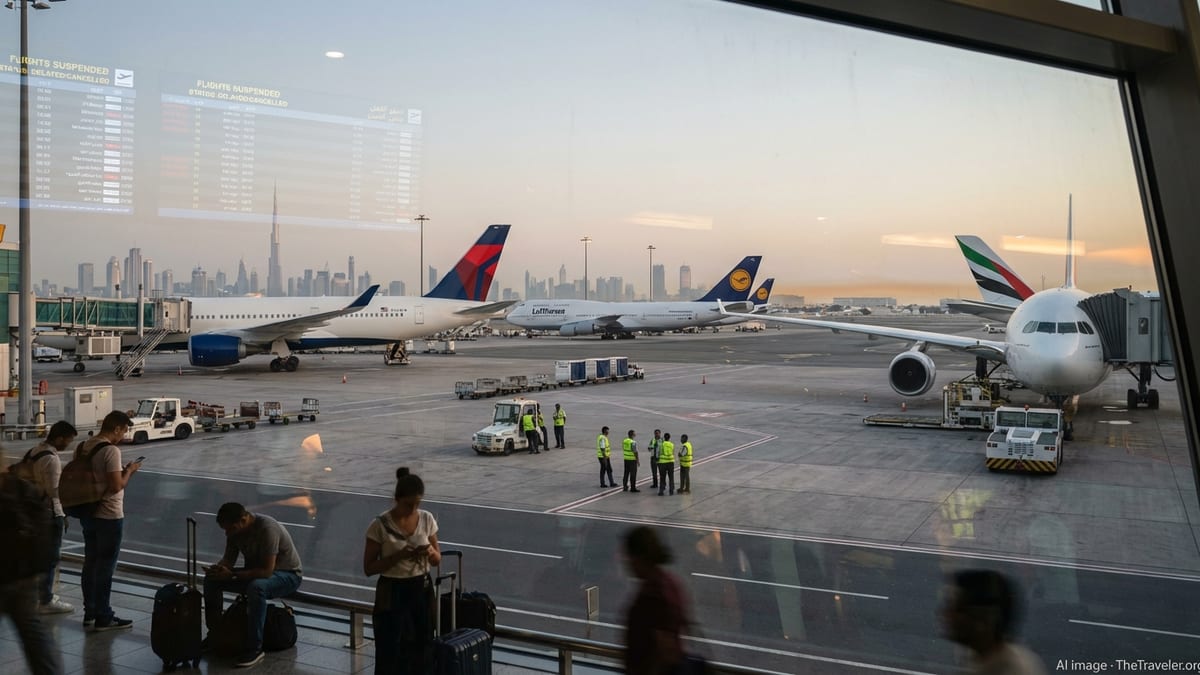
School holiday rush meets a fragile global aviation network
The advisory comes as Malaysia prepares for a busy school break, a period that typically drives a spike in domestic and international departures. Publicly available travel outlooks for 2026 show that passenger volumes are rising in line with broader tourism recovery, with peak demand concentrated around school and festive holidays.
Reports from Malaysian aviation regulators note that disruptions linked to airspace closures, system outages and airport congestion in other parts of the world have added new uncertainties to peak-season travel. While most flights in and out of Malaysia are operating normally, route changes in distant regions can still cascade through airline networks, affecting departure times, connection windows and aircraft availability.
Industry analyses indicate that this year’s school holidays are coinciding with a more fragile operating environment than in previous years. Airlines are balancing strong demand with higher operating costs, evolving security considerations and tighter capacity on certain long-haul corridors, particularly those connecting Southeast Asia with Europe and the Middle East.
Against this backdrop, Malaysian travellers, including families flying for leisure or to visit relatives abroad, are being encouraged to factor in potential last-minute changes and to use digital tools to stay informed about their journeys.
Middle East airspace closures and knock-on effects
Recent global developments have focused attention on airspace restrictions in parts of the Middle East, a critical crossroads for flights linking Asia, Europe and Africa. Published coverage shows that several carriers serving these corridors have implemented route diversions, extended flight times, schedule retimings and, in some cases, targeted cancellations on selected services.
Malaysia-based airlines have publicly outlined temporary adjustments to flights serving destinations such as Doha, Jeddah and Madinah, citing the impact of airspace closures and the need to prioritise operational safety. Travel advisories circulated to trade partners note that rerouting around affected regions can lengthen flight times to and from Europe and the Middle East, and may require changes to aircraft rotations used on other routes.
Malaysia’s airport operator has also issued general travel notices pointing out that airspace restrictions in the Middle East can affect several international routes, even when flights do not touch down in the region. Passengers are being reminded that knock-on effects may include later departures, revised transit times and aircraft swaps that can impact seat allocations and in-flight services.
Regional industry commentary highlights that these developments are part of a wider pattern of volatility in global aviation, including occasional technical outages in air traffic management systems and localised weather-related disruptions during the northern summer. For travellers, this means that flights booked months in advance may still be subject to operational changes at short notice.
CAAM’s guidance: track, verify and know your rights
In its latest public advisory, the Civil Aviation Authority of Malaysia stresses the importance of passengers monitoring official updates from their airlines before leaving for the airport. Travellers are encouraged to verify flight status on airline websites or mobile applications, check terminal and gate details, and enable notifications where these are available.
Publicly available documents from Malaysian regulators also draw attention to consumer protection rules that apply in cases of flight disruption. The Malaysian Aviation Consumer Protection Code, which is administered by the country’s aviation regulator, sets out minimum service and redress standards when flights are delayed, rescheduled or cancelled. Travellers are advised to consult these guidelines to better understand their entitlements to assistance, rebooking or refunds when plans are disrupted.
Advisories issued in recent months recommend that passengers maintain updated contact details in their bookings so airlines can reach them quickly if schedules change. Families travelling during the school holidays are also being urged to allow additional time between connecting flights, particularly on itineraries that route through hubs in or near affected regions.
Travel agents and tour operators in Malaysia have been echoing these messages in public statements, emphasising that proactive monitoring and swift response to airline notifications can reduce the stress and financial impact of last-minute changes. Industry bodies note that passengers who keep records of communications and receipts for extra costs are generally better positioned when seeking compensation or alternative arrangements.
Domestic travel and new regional links under scrutiny
The school holidays are also expected to fuel strong demand on domestic routes, including flights linking Peninsular Malaysia with Sabah and Sarawak. New regional carriers and expanded services on certain secondary routes have increased capacity in some markets, offering more choices to travellers who prefer to avoid long-haul journeys during a period of global uncertainty.
However, aviation outlook papers for 2026 point out that increased flight activity can strain airport infrastructure and ground handling resources during peak hours. This can contribute to minor delays even when weather and airspace conditions are favourable. Travellers heading to popular domestic destinations are being advised to arrive early at the airport, especially when travelling in larger family groups or with checked baggage.
In East Malaysia, newly established and restructured regional airlines have begun operating additional services linking smaller cities to major hubs. Analysts note that these developments are positive for connectivity but underscore the importance of robust contingency planning, as younger fleets and new operational setups can be more exposed to schedule changes when aircraft require unscheduled maintenance or when crew availability is stretched.
Public commentary within Malaysia’s aviation sector suggests that domestic routes are likely to remain resilient throughout the school break, but regulators and operators are monitoring performance metrics such as on-time performance and cancellation rates to identify potential pressure points.
Practical steps for families preparing to fly
With the school holidays approaching, travel experts and aviation analysts are highlighting a number of practical measures for Malaysian families planning trips. One recurring recommendation is to build flexibility into itineraries, especially on long-haul journeys involving multiple connections. Choosing slightly longer layovers, where possible, can create a buffer against late departures from earlier segments.
Industry guidance also notes the value of having contingency funds or travel insurance to cover accommodation and incidental expenses if an unexpected overnight stay becomes necessary. Families travelling with children are being encouraged to pack essential items such as medication, snacks and a change of clothes in carry-on bags, in case checked luggage is delayed during a disruption.
Publicly available airline advisories further underline that passengers who check in online and proceed to the airport with digital boarding passes may be able to move more quickly through any congestion at check-in counters. At the same time, travellers are advised to keep an eye on airport display boards and public announcements once they are airside, as gate changes and boarding times can continue to shift.
As Malaysia’s aviation sector navigates a complex global backdrop, the latest school holiday travel period is shaping up to be a test of resilience for airlines, airports and passengers alike. While most journeys are still expected to operate broadly as planned, regulators are making clear that informed, vigilant travellers will be best placed to adapt if global events once again ripple through the world’s flight schedules.