


More news on this day
California has recorded the second-highest number of speeding-related traffic deaths in the United States, with a new analysis showing that 1,139 people lost their lives in such crashes in a single recent year, underscoring ongoing concerns about aggressive driving on the state’s roads and freeways.
Get the latest news straight to your inbox!
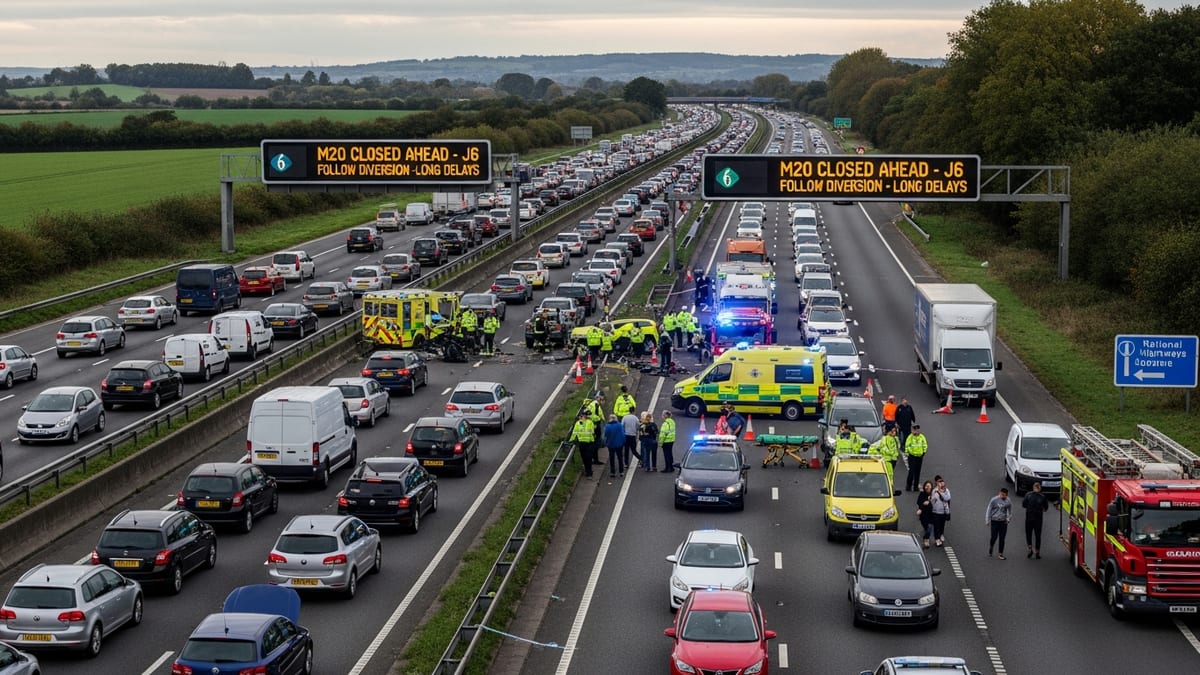
New National Study Highlights California’s Grim Ranking
The latest speeding-focused review of federal crash data identifies California as one of the states with the heaviest toll from high-velocity driving. Drawing on recent figures from national traffic safety datasets, the study reports that 1,139 people were killed in speeding-related collisions in California over the course of one year. Only one other state recorded a higher number of deaths attributed to excessive speed.
Researchers compiled state-by-state comparisons using federal fatality records that track when speeding is reported as a contributing factor. The findings place California near the top of the national list both for overall traffic fatalities and for deaths specifically linked to speeding, reflecting the sheer volume of traffic on the state’s road network and ongoing challenges in managing driver behavior.
Publicly available information from federal transportation agencies indicates that speeding remains one of the leading factors in severe and fatal collisions across the country, accounting for a substantial share of road deaths each year. The new analysis suggests that California’s speeding problem is particularly acute in dense metropolitan regions and along high-speed intercity corridors where traffic volumes and travel speeds are both high.
While California’s per-capita rate of speeding deaths is lower than that of some smaller and more rural states, the absolute number of people killed highlights the scale of the issue in the nation’s most populous state. Safety advocates say the total underscores how small increases in risky behavior can translate into large numbers of preventable deaths when applied across tens of millions of drivers and residents.
How California’s Speeding Deaths Compare With Other States
Federal data show that several large states report high numbers of speeding-related deaths, but California and one other state stand out for recording well over one thousand such fatalities in the most recent year reviewed. California’s total of 1,139 speeding deaths places it second in the national ranking, ahead of many states with similarly extensive highway networks.
In proportional terms, speeding accounts for roughly one third of all traffic fatalities in California in recent national summaries, a share that is slightly higher than the national average. This means that, although many different behaviors contribute to deadly crashes, excessive speed alone is associated with hundreds of lives lost in the state every year.
California’s position in the national comparison is shaped not only by the number of drivers and vehicles on its roads but also by patterns of long-distance travel and commuting. The state’s major north–south and east–west corridors carry heavy volumes of passenger vehicles and freight traffic, and speed limits on rural freeway segments often approach the upper range permitted nationally. The combination of fast-moving flows and frequent congestion can create conditions where sudden braking, lane changes and speeding are especially dangerous.
Analysts note that other large states have managed to record lower speeding death totals despite similar population sizes, suggesting that roadway design, enforcement practices and public attitudes toward speeding may all play a role in California’s elevated ranking. The new study points to a need for closer examination of why speeding remains so persistent in the state compared with some of its peers.
Urban Freeways and Rural Highways Share the Burden
The geography of speeding-related deaths in California is complex, with both urban freeways and rural highways contributing significantly to the overall toll. State and local crash data reviewed in recent years show that dense metropolitan regions such as Los Angeles, the Bay Area and greater San Diego record large numbers of speed-related fatalities because of their population and traffic volumes.
On city freeways and multilane arterials, speeding often takes the form of drivers traveling well above posted limits during lighter traffic conditions or weaving rapidly through slower vehicles when congestion builds. Reports indicate that these behaviors are frequently associated with multi-vehicle chain-reaction crashes, where a single speeding vehicle triggers collisions that involve several cars and inflict serious injuries across multiple lanes.
Rural counties, meanwhile, often experience higher rates of speeding deaths relative to their smaller populations. State public health and traffic safety summaries show that sparsely populated northern and interior counties have recorded some of the highest per-capita fatality rates from speeding across the last decade, reflecting long stretches of undivided highways, limited lighting and fewer immediate emergency response resources.
Two-lane highways that serve as vital connectors between regions can be especially risky when drivers exceed safe speeds, particularly in areas with sharp curves, changing weather and limited passing zones. Safety experts say that, in these environments, even small increases over the posted limit can sharply reduce the margin for error and the time available to avoid a collision.
Pandemic-Era Driving Patterns and Ongoing Risks
Published analyses of national crash trends indicate that risky driving behaviors, including speeding, intensified during the early years of the COVID-19 pandemic, when roadways temporarily emptied and enforcement patterns shifted. California was no exception, with state-level data showing an increase in high-speed collisions and a rise in the severity of crashes during periods of reduced traffic.
Although traffic volumes have largely rebounded, transportation researchers report that some of those riskier habits may have persisted. Higher average speeds on freeways, more frequent instances of drivers traveling far above posted limits and reports of street racing have all featured in recent coverage of California’s road safety challenges.
Insurance and traffic safety organizations have also pointed to the growing size and weight of popular vehicles in California and across the country, noting that heavier and higher-riding vehicles can inflict more severe damage in a high-speed impact. Combined with distracted driving and impaired driving, speeding can turn what might have been a survivable crash into a fatal one.
The 1,139 speeding deaths identified in the new analysis reflect this convergence of factors. Observers say that reversing the upward trend will require sustained effort to address both the physical design of roads and the social norms that influence how fast people believe it is acceptable to drive.
Policy Responses and Safety Measures Under Consideration
In light of California’s position near the top of the national speeding death rankings, public discussions about road safety have increasingly focused on measures to reduce vehicle speeds. Proposals highlighted in recent policy reports include redesigning streets to calm traffic, expanding the use of safety cameras in high-risk corridors, reviewing speed limits, and investing in better pedestrian and cyclist protections.
Studies from transportation and public health agencies suggest that roadway design can significantly influence how fast drivers choose to travel. Narrower lanes, protected bike infrastructure, raised crosswalks and roadway features that visually signal a lower-speed environment have all been associated with slower operating speeds and fewer severe crashes.
Another area of focus is data-driven enforcement that prioritizes corridors with a documented concentration of speeding-related crashes. Instead of broad crackdowns, safety advocates often recommend targeted strategies that combine visible enforcement with public education campaigns, emphasizing the human consequences behind the statistics.
As California confronts the finding that 1,139 lives were lost in a single year to speeding-related crashes, analysts say the state faces a pivotal choice. With traffic volumes likely to remain high and vehicles continuing to grow larger and more powerful, efforts to curb speeding could play a central role in whether future annual tallies show progress or more of the same grim statistics.