


More news on this day
Three of North America’s most popular sun‑seekers’ playgrounds Mexico’s Caribbean coast, The Bahamas and Jamaica are under heightened scrutiny in recent U.S. government travel advisories that call out crime and other security concerns alongside their postcard‑perfect beaches.
Get the latest news straight to your inbox!
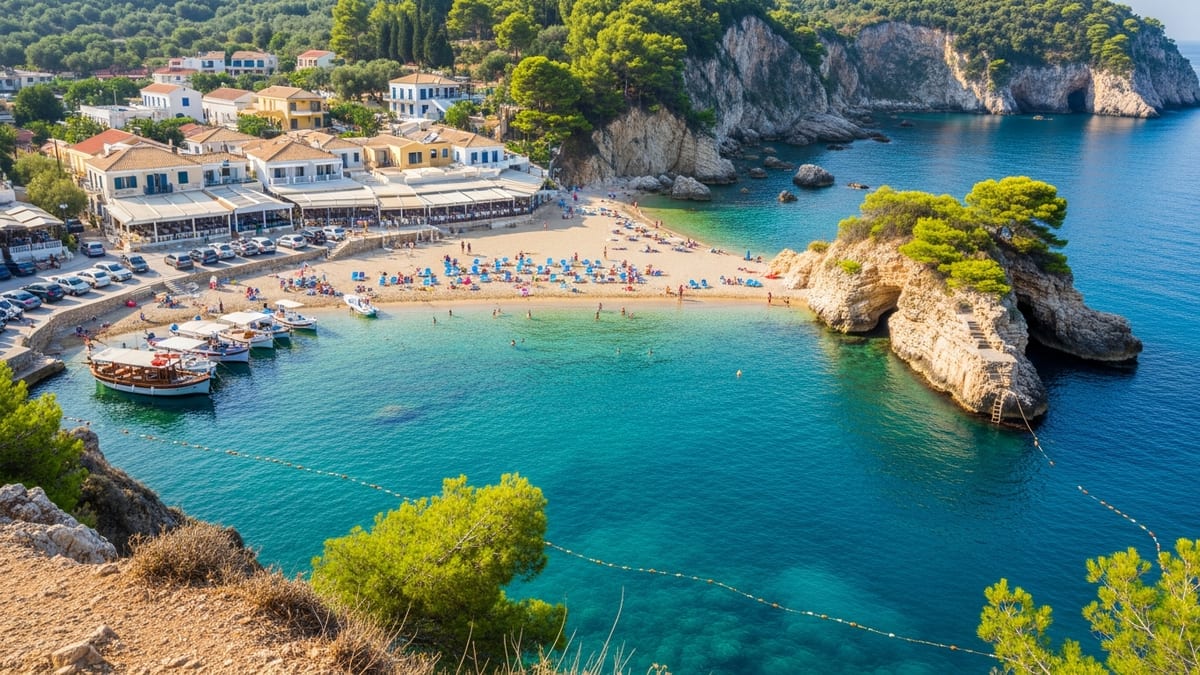
Updated advisories reshape the picture of classic beach breaks
The U.S. Department of State currently lists Mexico as a Level 2 destination, urging travelers to exercise increased caution across the country because of terrorism, crime and kidnapping, while flagging specific states and cities for higher risk. A revised advisory issued on May 29, 2026, notes that violent crime including homicide, kidnapping, carjacking and robbery has affected both local communities and areas frequented by visitors in recent years.
The Bahamas, another longtime U.S. favorite, also carries a Level 2 advisory as of July 28, 2026, with Washington citing crime as the primary risk factor. Publicly available information highlights incidents of violent crime in Nassau and Freeport on New Providence and Grand Bahama islands, even as overall numbers remain relatively low compared with many large urban centers.
Jamaica stands out among the three with a higher overall warning level. U.S. travel guidance that remained in place through 2026 advises travelers to reconsider travel to parts of the island due to crime, with some areas subject to the State Department’s Level 4 status that urges people not to travel there at all. Supporting country risk assessments from insurers and security firms also note localized restrictions that extend to sections of Montego Bay and other resort‑adjacent communities.
Collectively, the updated advisories reflect a broader trend in which governments dissect risk at a more granular level, spelling out beach towns, resort corridors and even neighborhoods where conditions differ sharply from a country’s overall tourism message.
Mexico’s Caribbean resorts balance booming demand with layered risks
For Mexico, the latest U.S. advisory underscores that risk is highly uneven across the country’s sprawling map. Quintana Roo home to Cancun, Playa del Carmen, Cozumel, Tulum and the Riviera Maya remains within the national Level 2 guidance, but U.S. government messaging in early 2026 drew attention to security operations that temporarily affected transportation and daily life in several northern states and along key highways.
Travel insurance bulletins and risk reports published in 2025 and 2026 describe how many of Mexico’s major resort hubs on the Caribbean coast continue to attract millions of visitors a year, even as authorities contend with organized crime elsewhere. These reports note that most incidents involving tourists still occur late at night, in areas where alcohol and nightlife are concentrated, or when visitors travel far from resort zones without local advice.
Local tourism officials in Quintana Roo responded to the February 2026 wave of international headlines by stressing in public statements that flights, cruise arrivals and hotel operations in Cancun, the Riviera Maya and Cozumel were functioning normally. State tourism briefings emphasized that added patrols and security checkpoints were intended to reassure visitors rather than signal that resorts themselves had shut down or become inaccessible.
For travelers planning Mexican beach vacations, the advisory framework now encourages close attention to state‑by‑state recommendations. While some states, including Guerrero home to the Pacific resort of Acapulco carry Level 4 “do not travel” warnings, many Caribbean coast destinations fall under more moderate guidance that focuses on situational awareness, using registered taxis or transfer services, and following local security updates before planning intercity road trips.
The Bahamas sees crime spotlighted alongside iconic sands
The Bahamas’ upgrade to a Level 2 advisory in early 2024 and the reaffirmation of that level in July 2026 placed a brighter spotlight on safety in a country where tourism is a pillar of the economy. The advisory points to armed robberies, burglaries and sexual assaults that have occurred in Nassau in particular, including in areas not far from cruise terminals and major resorts.
Travel safety guidance prepared by other governments, including Canada and the United Kingdom, echoes those concerns, highlighting higher crime rates on New Providence and Grand Bahama compared with the Out Islands. These advisories recommend that visitors avoid walking alone after dark in downtown Nassau, stay away from poorly lit side streets and exercise caution when using vacation rentals that lack on‑site security.
Risk assessments compiled for corporate and insurance clients, by contrast, typically rate the Bahamas as a low overall threat environment with a moderate crime risk concentrated in specific neighborhoods of the largest islands. These reports describe most tourist‑oriented areas on Paradise Island, Cable Beach and the Out Islands such as Exuma and Eleuthera as calmer, provided visitors follow common urban precautions and avoid displaying valuables.
The U.S. advisory also addresses water safety, noting periodic reports of strong currents, boating incidents and injuries tied to alcohol‑fuelled water sports. Travelers are urged to pay close attention to warning flags on beaches, check whether tour operators carry proper licenses and safety gear, and verify that any excursion company has adequate insurance and clear emergency procedures before booking.
Jamaica’s layered warnings focus on crime hot spots and healthcare gaps
Jamaica’s travel advisory profile is the most complex of the three destinations. U.S. guidance that has evolved since 2024 continues to advise heightened caution across much of the island, while recommending that travelers reconsider or avoid nonessential trips to selected parishes and sections of Kingston, Montego Bay and other urban centers because of crime and limited emergency response capacity.
Archived State Department travel‑facts material for Jamaica, along with more recent private‑sector risk summaries issued in 2025, note that the country has struggled with high homicide rates and gang‑related violence. These documents stress that most serious incidents occur away from resort zones but acknowledge that robberies, sexual assaults and armed confrontations have at times occurred in or near areas popular with visitors.
International security briefings point out that some tourist‑facing areas including stretches of Montego Bay’s Hip Strip, parts of Negril and sections of Ocho Rios may be subject to sudden curfews or enhanced police operations when local conditions deteriorate. Travelers could encounter checkpoints on roads linking the airport at Montego Bay with coastal resorts or experience last‑minute itinerary changes when cruise lines adjust shore calls in response to updated guidance.
Another recurring theme in Jamaica‑related advisories is the capacity of medical facilities. U.S. and other foreign government notices reference limited trauma care outside major cities and recommend that visitors verify the terms of their travel insurance, including coverage for emergency medical evacuation, before arrival. This has become a particular focus for travelers planning active vacations involving diving, cliff jumping or motorized water sports around Negril and other beach areas.
How travelers can interpret and act on evolving warnings
Across Mexico, The Bahamas and Jamaica, the latest U.S. travel advisories do not ban travel outright to the main resort corridors but invite a more informed approach to beach vacations. Publicly available guidance encourages U.S. citizens to review country‑specific pages, enroll in the Smart Traveler Enrollment Program and monitor local media before and during trips.
Independent risk assessments and foreign government advisories add further context, helping travelers distinguish between city centers and resort zones, between night‑time and daytime conditions, and between islands or parishes with very different security profiles. Taken together, these resources suggest that while the Caribbean and Mexican beachfronts remain open and busy, visitors face a more patchwork safety landscape than marketing images alone would indicate.
For would‑be travelers, the evolving picture underscores the importance of checking both the overall country level and any state, parish or city‑specific notes that may affect a chosen beach destination. As advisories continue to be updated through 2026, the fine print around favorite stretches of sand from Cancun to Cable Beach to Negril is becoming just as important as the promise of sun and sea.