


More news on this day
Canadian travelers eyeing warm-weather getaways are being urged to take a closer look at official guidance, as the federal government updates travel advice for several high-profile Caribbean destinations ahead of the 2026–27 peak season.
Get the latest news straight to your inbox!
Fresh Warnings On Crime In Jamaica
Publicly available information from the Government of Canada shows that its travel advice for Jamaica was updated in early July 2026, maintaining a recommendation that visitors exercise a high degree of caution due to violent crime, particularly outside resort areas. The advisory highlights risks such as armed robbery, sexual assault and gang-related violence, and underscores that incidents can occur in locations frequented by tourists.
The guidance notes that crime levels remain a concern despite improvements reported locally in certain categories of serious offences. Travelers are urged to stay within well-established tourist zones when possible, remain alert in urban centers and avoid isolated areas, especially after dark. The advisory also points to the potential for sudden security operations or states of emergency in specific parishes, which can include roadblocks and curfews.
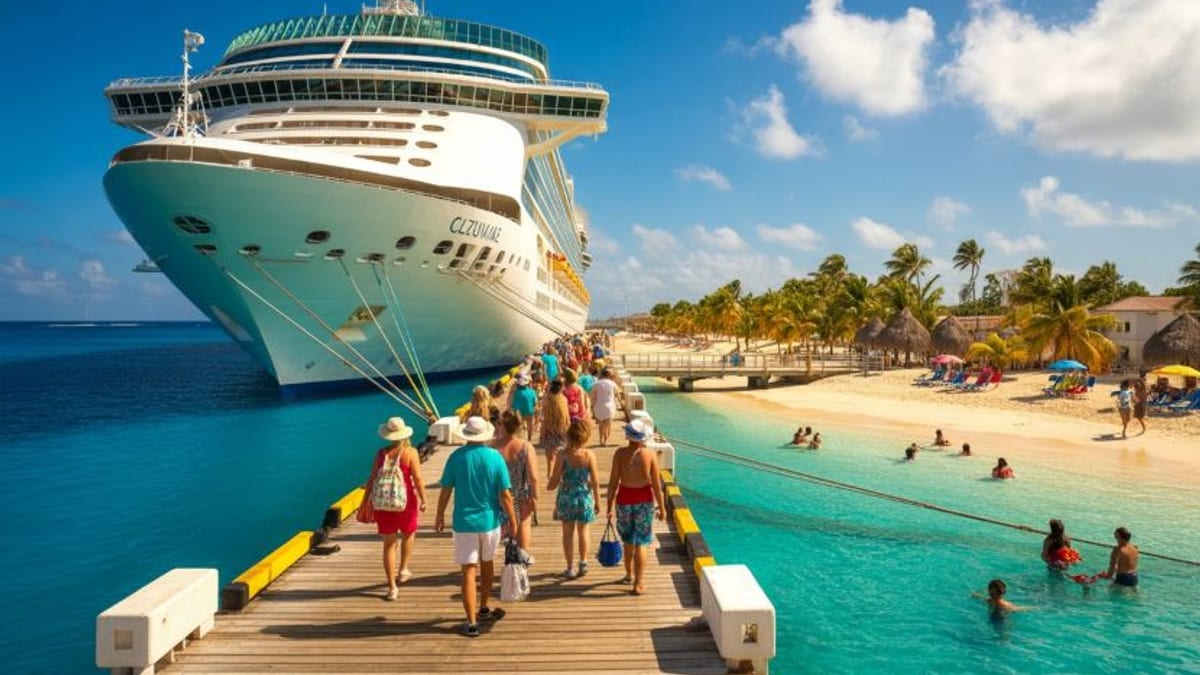
Recent Canadian messaging emphasizes that resort compounds and cruise corridors are not immune from risk, even if they tend to be more heavily policed and managed. Travelers are encouraged to confirm security measures with their accommodation providers, use registered transportation services and monitor local media for any changes in security conditions during their stay.
For Canadians planning winter holidays, the updated language around Jamaica serves as a reminder that crime-related advisories can remain elevated even when tourism indicators are strong. Industry observers note that travel insurance policies and tour operator terms may take these advisories into account when handling trip changes or cancellations.
Haiti Remains At Top Alert Level
In contrast to the nuanced wording used for many Caribbean destinations, Canada’s stance on Haiti remains unequivocal. The official advisory for Haiti continues to categorize the country at the highest risk level, effectively calling on Canadians to avoid all travel. Public information from Global Affairs Canada and related federal departments cites an extremely volatile security environment, widespread gang activity, kidnappings and severe disruptions to basic services.
Updated guidance in July 2026 reiterates that armed groups exert control over significant parts of the capital, Port au Prince, and key transport corridors. The advisory warns of roadblocks, unpredictable gunfire, targeted attacks and frequent disruptions to fuel, food, water and medical supplies. Commercial flight options remain limited and subject to change, complicating any potential evacuation or emergency departure.
The Canadian government has also extended special immigration and consular measures for citizens and permanent residents in Haiti, reflecting ongoing instability. According to publicly available information, temporary programs designed to support departures and documentation have been prolonged into late 2026, signaling that officials do not foresee a rapid normalization of conditions on the ground.
For travelers, the Haiti advisory effectively closes off the destination to leisure tourism and underscores a broader message about security divergence within the Caribbean. While many islands continue to promote a return to normal after recent hurricanes and pandemic-related disruptions, Haiti remains an outlier where Canadian guidance discourages all non-essential presence.
Seasonal Risks: Hurricanes And Extreme Weather
Beyond crime and political volatility, the latest Canadian messaging puts renewed emphasis on the Atlantic hurricane season, which runs from early June to the end of November. Travel advice for multiple Caribbean destinations, including popular resort islands, notes that storms can rapidly disrupt flights, cruise itineraries, power grids and local infrastructure.
Climatic bulletins from regional meteorological agencies referenced by Canadian travel resources suggest that the 2026 season could see a slightly less intense pattern than some recent years, but still project several tropical storms and hurricanes capable of affecting major tourism hubs. Authorities stress that even a weaker-than-average season can produce one or two powerful systems with significant local impact.
Current Canadian guidance encourages travelers to check whether their accommodation has clear hurricane and emergency plans, to familiarize themselves with evacuation routes, and to maintain the ability to adjust itineraries at short notice. Travelers are also reminded that airports may close preemptively when storms approach, leading to extended stays or unexpected diversions across the region.
For Canadian tour operators and airlines, the latest wording reinforces the importance of flexible booking policies and clear communication with customers during the peak late-summer and autumn travel months. Industry analysts point out that travelers booking Caribbean cruises or resort stays in the shoulder season should read the fine print on weather-related changes and protections.
Balancing Popular Demand With Safety Concerns
The Caribbean remains one of the most popular escape routes for Canadians during the winter months, and early booking trends for late 2026 suggest strong demand for sun destinations. However, the latest federal advisories highlight a growing gap between travelers’ appetite for beach vacations and the complex reality of regional security and climate risk.
Jamaica continues to market its cultural attractions, music scene and resort offerings, while independent analysts debate how closely international perceptions of safety align with on-the-ground crime data. At the same time, the sustained do-not-travel guidance for Haiti underscores how quickly conditions can diverge within relatively short distances, raising questions for cruise lines and multi-stop itineraries that operate across several jurisdictions.
Canadian travel guidance also encourages visitors to review entry and exit rules, health requirements and documentation standards before departure. Publicly available federal resources note that regulations can shift with little notice, especially where governments respond to emerging health concerns or security incidents.
For now, the updated advisories do not prevent most leisure trips to the wider Caribbean, but they signal that Canadians are expected to take a more active role in assessing local risks. Travel experts suggest that prospective visitors build time into their planning to review official advice, consider specialized insurance and remain alert to any new notices issued as the peak season approaches.