


More news on this day
Thick fog across large parts of Northern Ireland on Tuesday 3 November has prompted a yellow weather warning from the UK Met Office, with visibility in places reported to be below 100 metres and the risk of disruption for anyone travelling in the early hours.
Get the latest news straight to your inbox!
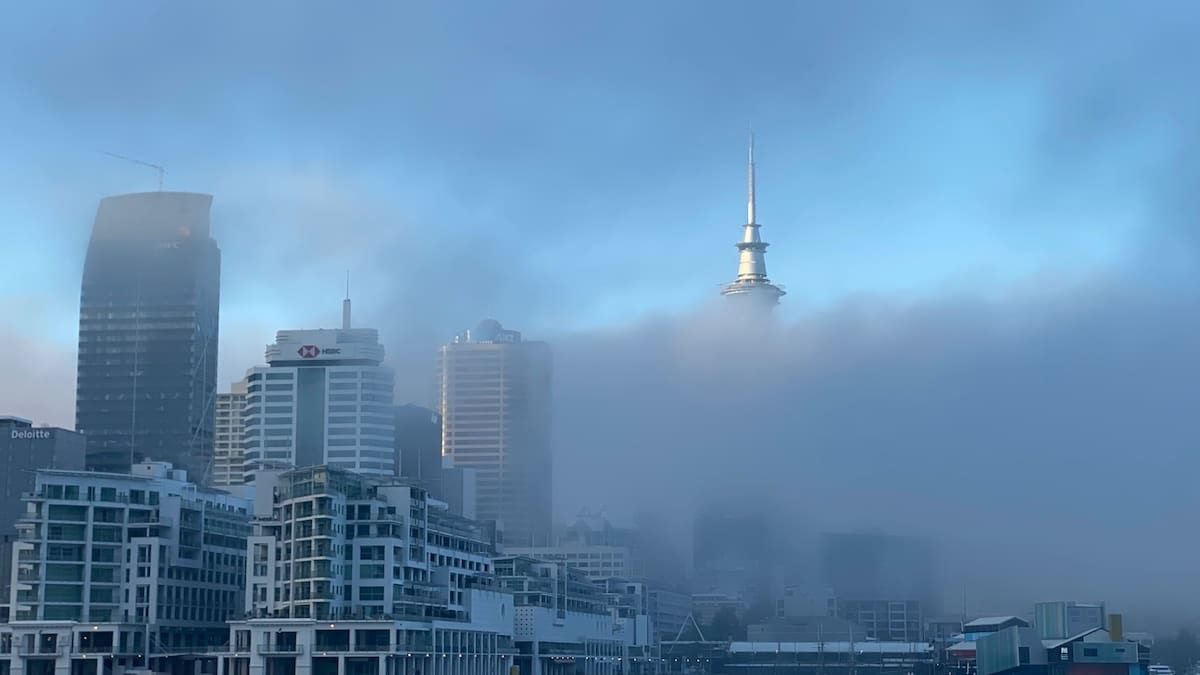
Yellow warning in force through Tuesday morning
According to publicly available guidance from the Met Office, a yellow fog warning was issued at around 03:48 on Tuesday 3 November 2026, covering all six counties of Northern Ireland. The alert is valid until 10:00, with forecasters highlighting a high likelihood of dense fog causing moderate impacts during the morning travel period.
The warning notes that areas of fog, locally dense, are expected particularly in western parts of Northern Ireland. In the hardest-hit pockets, visibility is indicated to be reduced to less than 100 metres, creating hazardous driving conditions on rural and higher routes as well as on approaches to larger towns and cities.
Met Office assessment tools classify this alert as yellow, the lowest of three warning colours, but still advise that people consider the potential for disruption to normal routines. Yellow warnings are used when weather could affect travel networks and day-to-day activities, even if the overall risk to life is assessed as low.
Weather information from partner services indicates that the fog is expected to thin and clear gradually through the morning, with conditions likely to improve from late morning onward. However, low cloud and lingering mist may persist in some valleys and inland locations into the early afternoon.
Impact on roads, public transport and air travel
Travel bulletins from TrafficWatchNI for Tuesday 3 November report that the yellow fog warning applies between 04:00 and 10:00, coinciding with the busiest part of the morning commute. The advisory highlights the potential for slower journey times, particularly where dense patches form suddenly along stretches of motorway and dual carriageway.
Publicly available information suggests that bus and rail services across Northern Ireland may be affected by speed restrictions or cautious driving conditions, adding extra minutes to commuter journeys. While there is no blanket suspension of services, planners are urging travellers, via online updates, to allow for possible delays when making connections in Belfast and regional hubs.
The same guidance points to a chance of delays or cancellations to flights, especially on early departures from airports such as Belfast International, Belfast City and City of Derry. Airlines generally make decisions on a flight-by-flight basis, depending on how the fog interacts with local visibility thresholds and instrument landing systems.
For drivers, online road-safety advice linked from regional travel pages stresses the importance of using dipped headlights and properly functioning front and rear fog lights, reducing speed and maintaining greater separation distances when visibility falls. Motorists are also being reminded not to rely solely on sat-nav instructions in thick fog, and to be prepared for sudden changes in conditions when moving between higher ground and low-lying routes.
What the warning means for visitors and local tourism
While the dense fog presents challenges for early travel, tourism bodies generally expect only short-lived impacts on day trips and excursions. With the current warning set to expire at 10:00, many outdoor attractions across Northern Ireland are likely to see improving conditions by late morning, although views from elevated lookouts and coastal headlands may remain limited for a time.
Visitors heading for popular scenic routes, including the Causeway Coastal Route in County Antrim or lakeside drives in Fermanagh, may encounter poor visibility at the start of the day. Travel information services advise checking live road updates before setting out, and allowing extra time when driving on narrow rural roads or when navigating unfamiliar town approaches.
City breaks in Belfast, Derry/Londonderry and other urban centres are expected to be less affected beyond early transport delays. Once the fog lifts, normal sightseeing schedules, walking tours and museum opening times are not currently reported to be under threat, although some operators may adjust the timing of morning departures for coach excursions or boat trips.
For travellers arriving by ferry, published timetables for crossings into Belfast and Larne were still operating on schedule at the time of the warning, though passengers are routinely advised to monitor operator channels for any short-notice adjustments if visibility at sea terminals deteriorates.
How the Met Office handles fog warnings
Fog is one of several weather hazards covered by the Met Office National Severe Weather Warning Service, alongside wind, rain, snow, ice and extreme heat. For Northern Ireland, warnings may be issued up to seven days in advance when forecast models suggest conditions capable of disrupting transport, utilities or everyday activity.
In this event, the Met Office has used the yellow category, which signals that the likelihood of impacts is at least 50 to 75 percent but with impacts assessed as moderate. The decision uses a risk matrix combining how likely a weather hazard is to occur with how disruptive it could be for communities, transport and infrastructure.
Guidance documents for community resilience across the UK note that fog can disrupt every major transport mode, from local roads and regional railways to major ferry routes and air travel. Even when warnings are in the lowest category, individuals and organisations are encouraged to review travel plans, check forecasts frequently and consider alternative timings if journeys are not essential during the highest-risk period.
In Northern Ireland, public information from government and meteorological services is typically disseminated through forecast pages, travel information portals and local media. Travellers are encouraged to rely on these official channels for the latest status of warnings, as the spatial extent, timing and intensity of fog can change as atmospheric conditions evolve.
Practical advice for travellers caught in the fog
For anyone travelling in Northern Ireland on Tuesday morning, regional travel briefings emphasise a few simple steps that can reduce risk and stress. Drivers are advised to check vehicle lights and wipers before departure, clear all windows thoroughly, and avoid starting a journey with partially obscured windscreens or mirrors.
Road users are also encouraged to reduce speed, avoid sudden braking and use road markings to help maintain lane discipline where visibility is particularly poor. In the worst patches, guidance suggests considering a safe place to pull over until conditions improve, rather than pressing on at normal speeds.
Rail and bus passengers are advised to build additional time into connections, especially for services that feed into airport departures or cross-border routes. Keeping a close eye on operator alerts through apps and station noticeboards can help minimise disruption if timetables are adjusted while the fog persists.
For air travellers, the current situation reinforces the value of checking flight status before leaving home or hotel, and staying in touch with airlines for rebooking options if delays or diversions arise. With the warning expected to lapse by mid-morning and fog forecast to lift gradually, many services may still operate, albeit with schedules under short-term pressure while visibility remains limited.