


More news on this day
After a fourteen year absence from the rails, Ontario’s storied Northlander passenger train is edging toward a 2026 return, signaling a major shift in how travelers will once again move between Toronto and Northern Ontario.
Get the latest news straight to your inbox!
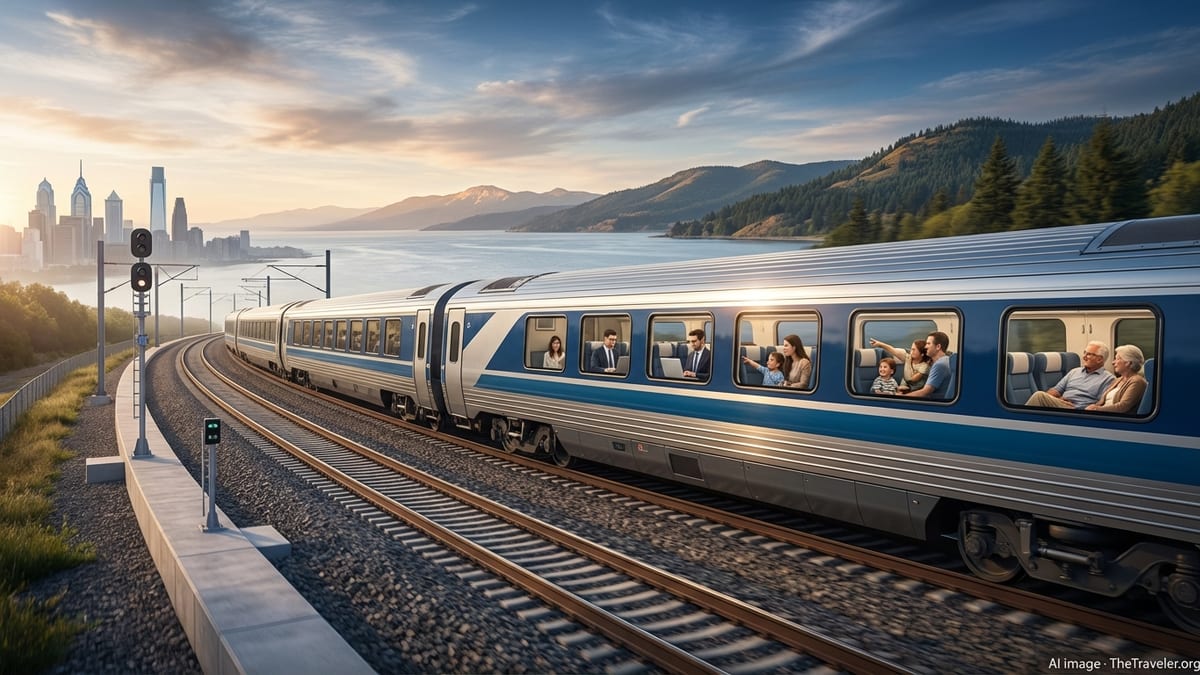
A Flagship Northern Route Comes Back Into Focus
The Northlander passenger service, cancelled in 2012, is being restored as part of a broad push to reconnect Northeastern Ontario with the Greater Toronto Area by rail. Publicly available information shows that the revived route will stretch roughly 740 kilometers between Timmins and Toronto, with a connection north to Cochrane and a total of 16 stops along the corridor. The line is intended to serve both everyday travelers and visitors heading into cottage country and resource-based communities.
The project has moved from planning into visible implementation over the past year. Provincial budget documents and rail industry coverage indicate that passenger rail service is slated to restart later in 2026, following extensive testing on the full route. The return is framed as part of a multibillion-dollar investment in public transit aimed at supporting jobs, reducing travel times, and offering an alternative to long-distance driving or motor coach travel in the province’s north.
For travelers, the restoration of the Northlander is expected to reintroduce overnight and long-haul rail options in a region that has relied heavily on buses and private vehicles since 2012. Tourism operators and municipal leaders in Northeastern Ontario have promoted the project as a way to make the region more accessible to visitors from Southern Ontario and international markets who are accustomed to rail-based itineraries.
New Trains, New Tracks, Old Name
The returning Northlander will look markedly different from the train that last ran in 2012. Reports indicate that three new Siemens-built Venture trainsets have been ordered for the service, with the first arriving in Ontario in early 2026. These modern, corridor-style trains are already in use elsewhere in North America and are designed for higher accessibility, improved onboard comfort, and more efficient operations than the legacy fleet they replace.
Infrastructure work along the route has also accelerated. The province has completed the North Bay Rail Bypass, a nearly one-kilometer new section of track designed to route passenger trains around a busy freight yard and cut travel times by about 15 minutes into North Bay. Renovations at key stations, including North Bay and Timmins-Porcupine, as well as new heated shelters and upgraded platforms at smaller communities, are intended to bring facilities in line with contemporary accessibility and safety expectations.
In parallel, Ontario has acquired approximately 205 kilometers of railway between North Bay and Washago from a freight operator, consolidating control of a significant portion of the future Northlander corridor. Industry publications describe this purchase as a strategic step that allows the province and Ontario Northland to better manage scheduling, maintenance and potential future service increases without being constrained by third-party ownership along critical stretches of track.
Testing Phase and Timeline for Launch
As of spring 2026, the Northlander project has entered a critical testing period. Government news releases and transportation trade coverage describe trial runs now taking place along the full route from Cochrane and Timmins south to Toronto’s Union Station. These tests are focused on training crews, checking signaling and safety systems, and verifying that the new trainsets perform reliably over long distances and in varied weather conditions typical of Northern Ontario.
Reports consistently describe the service as scheduled to return “later this year,” reflecting a cautious approach to setting an exact launch date. Officials have indicated through public statements that a firm in-service date will only be announced once testing milestones are met on all three trainsets. This staged process is intended to ensure that the Northlander can operate a full, reliable timetable from day one, rather than launching at reduced frequency.
The testing phase also allows Ontario Northland to refine the service pattern, including frequency and timing. Planning documents and previous business cases have outlined scenarios ranging from four to seven weekly round trips depending on the season, with schedules designed to link Northern communities to Toronto for medical appointments, education, business trips and leisure travel. Final timetables, however, have not yet been publicly confirmed.
Fares, Accessibility and the Traveler Experience
Prospective passengers have been given an early look at pricing. Background material released alongside the testing announcement shows that anticipated launch fares are expected to be set at roughly 10 percent above the standard rate on existing Ontario Northland bus services along the same corridor. The structure is intended to position the train as a slightly premium but still accessible option, reflecting the higher operating costs and comfort associated with rail travel.
Accessibility and comfort appear central to the redesign of the Northlander experience. The new Venture trainsets are described in technical specifications as featuring fully accessible washrooms, level boarding at improved platforms where feasible, and modern seating with power outlets and Wi-Fi capability. These upgrades are meant to make overnight journeys more comfortable while also better serving passengers with mobility challenges who currently face long highway bus rides.
For travelers planning future trips, the return of the Northlander is expected to open up new itinerary combinations. Timed connections with local buses and regional transportation networks could facilitate one-ticket journeys from small Northern communities into Toronto’s downtown core, and onward by intercity rail or air. Tourism agencies are already highlighting the future possibility of rail-based trips that combine urban stays in Toronto with access to lakes, parks and small towns along the route.
Regional Impact and What Comes Next
The reintroduction of the Northlander is being closely watched across Northeastern Ontario, where the loss of passenger rail in 2012 was widely seen as a setback for regional mobility. Public discussions in municipal forums and transportation circles frame the project as both a symbolic and practical investment in the north, signaling renewed attention to long-distance services outside the province’s largest cities.
Economic expectations tied to the train’s return range from increased tourism spending to better access for workers commuting to job sites or training programs. By offering an alternative to long winter drives and overnight bus trips, the Northlander may also appeal to older travelers and students who prefer the comfort and predictability of rail. How quickly that demand materializes will be one of the key indicators of the service’s long-term viability.
Looking ahead, transportation advocates and regional planners are already debating what a successful launch might mean for future expansions. Some commentary has pointed to potential extensions or feeder services that could connect additional Northern communities or link with other intercity rail corridors. For now, the immediate focus remains on completing testing, finalizing schedules and confirming the 2026 start date, as Ontario moves toward bringing one of its most storied passenger trains back into service.