


More news on this day
Dozens of flights across Canada were cancelled and hundreds more delayed as a new wave of disruption swept through airports from Ottawa and Hamilton to Toronto and Halifax, impacting operations at Air Canada, Jazz, WestJet, PAL Airlines and Pacific Coastal Airlines.
Get the latest news straight to your inbox!
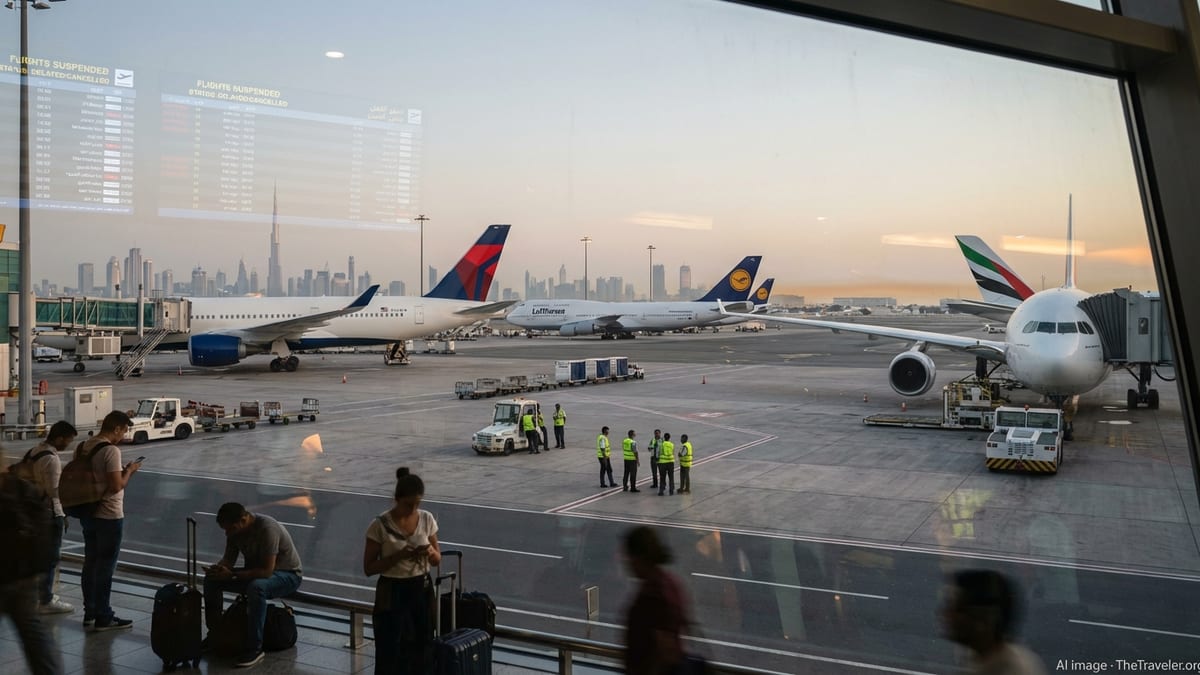
Disruptions Spread Across Multiple Canadian Airports
Publicly available flight tracking data and airport status boards show 46 flight cancellations and around 350 delays affecting routes across Canada, with notable impacts reported in Ottawa, Hamilton, Kelowna, Powell River, Toronto and Halifax. The pattern reflects a broader strain on domestic air travel, where relatively small schedule adjustments can ripple across regional and national networks.
Toronto Pearson, Ottawa and Halifax stand out as key pressure points because they serve as connection hubs for both mainline and regional carriers. When even a short sequence of departures is removed or pushed back, passengers in smaller markets such as Powell River or Kelowna often experience extended waits or forced overnight stays as aircraft and crews fall out of position.
Regional airports also feel the impact acutely. At Powell River and other smaller locations, a single cancelled or heavily delayed rotation may represent the majority of daily departures. Travellers can find themselves effectively stranded until a replacement aircraft is ferried in or a new schedule is constructed, sometimes many hours after the original departure time.
Industry data compiled over recent months indicates that such clustered pockets of disruption have become more frequent, particularly during periods of challenging weather and tight crew availability. Even when the raw number of cancelled flights is limited to several dozen, the knock-on effect across the day’s schedule can be significant.
Major and Regional Carriers Under Pressure
The latest figures capture disruptions affecting Air Canada and its regional partner Jazz, along with WestJet, PAL Airlines and Pacific Coastal Airlines. These carriers collectively operate the bulk of domestic and short-haul regional flying in Canada, meaning any operational stress is quickly felt by passengers across the country.
Air Canada and Jazz operate extensive hub-and-spoke networks out of Toronto, Montreal and other large airports, feeding smaller cities through tightly timed connections. Reports indicate that delays on early waves of departures can cascade through the day, particularly on routes that rely on the same aircraft cycling between multiple airports.
WestJet and its regional operations have faced their own challenges, with publicly available performance statistics and previous coverage pointing to elevated cancellation and delay rates on certain days this year. When WestJet trims flights in one region, travellers often must be rebooked through alternative hubs such as Calgary or Vancouver, lengthening journey times and adding pressure to already busy corridors.
PAL Airlines and Pacific Coastal Airlines provide essential connectivity for Atlantic Canada and parts of British Columbia, linking remote communities to larger centres. Travel advisories from these carriers frequently highlight how weather, runway conditions and infrastructure limitations at smaller airports can quickly force schedule changes, contributing to the national tally of disrupted flights.
Weather, Crewing and Network Complexity Drive Chaos
While the exact causes of each of the 46 cancellations and 350 delays vary, recent Canadian and North American operating patterns point to a familiar blend of factors: winter weather, ground operations constraints and crewing challenges. Heavy snow, freezing rain, low visibility and high winds have periodically reduced airport capacity this season, prompting airlines to pre-emptively cut schedules in an attempt to stabilize operations.
Operational analyses and previous incident reports show that a delay in one part of the network can quickly disrupt flights hundreds or even thousands of kilometres away. An aircraft that departs late from Halifax or Ottawa may arrive late into Toronto or Hamilton, missing its scheduled turnaround window and triggering additional delays on subsequent sectors.
Crewing rules add another layer of complexity. Flight and duty time limits mean that pilots and cabin crew cannot always extend their shifts to accommodate rolling delays. When teams reach legal limits while aircraft are still out of position, airlines sometimes cancel later rotations entirely rather than risk compounding knock-on disruptions for the following day.
Although large-scale weather systems often serve as the initial trigger, recent regulatory decisions and investigations into Canadian airline performance highlight that staffing, maintenance planning and network design also influence how severely a given storm or operational issue affects passengers.
Passenger Rights Under Canada’s APPR Rules
The latest wave of cancellations and delays once again draws attention to Canada’s Air Passenger Protection Regulations, which set out minimum standards of treatment and, in certain cases, financial compensation. Guidance from the Canadian Transportation Agency explains that eligibility depends on factors such as the length of the delay, whether the issue was within the airline’s control and the size of the carrier.
Under these rules, travellers may be entitled to assistance such as food vouchers, hotel accommodation or rebooking when flights are significantly disrupted. For some cancellations or long delays within an airline’s control, compensation payments may also be available, especially when arrival at the final destination is pushed back by several hours.
Advocacy groups and passenger-rights specialists encourage travellers to document boarding passes, notifications and receipts whenever disruptions occur. Publicly available guidance suggests that written complaints submitted directly to the airline, referencing the specific provisions of the regulations, can help clarify whether a delay or cancellation qualifies for compensation.
However, the process can be time-consuming. Previous inquiries into delay and cancellation complaints in Canada show that many cases hinge on how the reason for disruption is categorized, with disputes arising over whether an event was within or outside a carrier’s control.
What Travellers Can Do When Flights Are Disrupted
For passengers caught up in the latest cancellations and delays, aviation experts recommend acting quickly once disruption is confirmed. Rebooking options are often most plentiful in the first hour after a schedule change, particularly on busy domestic routes where seats on alternate departures can sell out rapidly.
Airlines increasingly encourage customers to use mobile apps and self-service tools to select new flights, track baggage and request vouchers. Publicly available information from the major Canadian carriers indicates that digital channels are typically updated more quickly than airport departure boards, giving travellers a head start on securing alternative arrangements.
At the same time, consumer advocates note that passengers should monitor flight status directly with the operating carrier rather than relying solely on generic travel portals or third-party booking sites. During complex disruptions, only the airline operating the aircraft has an up-to-the-minute view of crew, maintenance and weather constraints affecting a particular service.
With Canada’s air travel system experiencing recurring pockets of disruption this year, analysts suggest that travellers build additional buffer time into itineraries, particularly when connecting through major hubs or when flying to or from smaller regional airports. As the latest cancellations and delays demonstrate, even a relatively modest number of affected flights can create a challenging day for passengers across the country.