


More news on this day
Flights at Manchester Airport on 3 August experienced a mix of cancellations and moderate delays, with live departure and arrival boards showing disruption across several European and domestic routes despite generally stable local weather.
Get the latest news straight to your inbox!
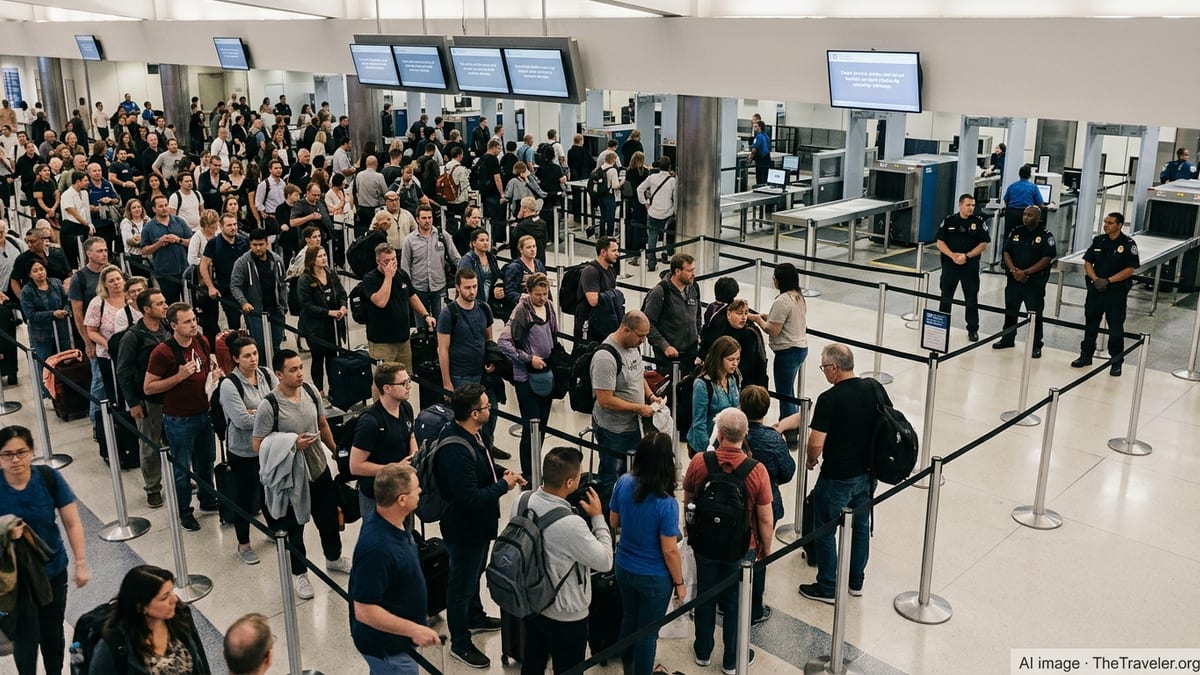
Patchy disruption across departures and arrivals
Live departure and arrival boards for Manchester Airport on 3 August indicated that the day began with a relatively normal early morning schedule before a growing number of delays emerged on short‑haul services through late morning and early afternoon. Publicly available tracking information showed several departures leaving 30 to 60 minutes behind schedule, particularly on popular leisure routes around the Mediterranean and selected domestic services.
Arrival data reflected a similar pattern, with some inbound flights from European hubs arriving significantly late and causing follow‑on disruption to their return legs. This knock‑on effect was visible where aircraft were scheduled for quick turnarounds, resulting in a cluster of delayed afternoon departures even when local conditions at Manchester remained calm.
Compared with recent peak‑summer weekends, overall traffic levels remained high, and the combination of busy terminals and a modest number of operational disruptions added pressure for airlines and ground handlers. While many services continued to operate close to schedule, the live boards pointed to a noticeably uneven picture, with some passengers moving through the airport with little disruption and others facing extended waits at gates.
Cancellations concentrated on selected European routes
Flight information services tracking 3 August operations showed that outright cancellations at Manchester Airport were limited but focused on a small number of European and UK domestic routes. These included isolated services operated by low‑cost carriers and flag carriers, where rotations to and from hub airports had already been affected by earlier delays or wider network issues.
In several cases, cancellations appeared linked to aircraft or crew being out of position after earlier disruption at other airports, rather than specific problems at Manchester itself. Industry data for the summer season has highlighted how tightly scheduled fleets can be vulnerable when earlier flights overrun, leaving little margin for operational recovery later in the day.
For affected passengers, options typically involved same‑day rebooking onto later Manchester departures, connections via alternative UK airports, or travel on the following day. Timetables also showed that on some heavily served leisure routes, airlines were able to consolidate passengers onto remaining services, while thinner routes provided fewer immediate alternatives.
Weather stable as wider network pressures play a role
Meteorological data for Manchester on 3 August pointed to largely settled conditions, with no major storms or low‑visibility events that would normally trigger widespread disruption. The absence of severe local weather suggests that most delays and cancellations stemmed from broader network pressures, air traffic flow restrictions elsewhere in Europe, and routine operational challenges.
Across the continent, summer 2026 has seen periodic congestion around key hubs, with air traffic control capacity, staffing constraints and aircraft availability all contributing to slower‑than‑planned rotations. When delays build up during the day, airports such as Manchester often feel the secondary impact as inbound aircraft arrive late and scheduled departure times slip.
Published analysis of recent seasons at Manchester has also pointed to the complexities of managing peak‑hour demand with limited spare runway and gate capacity. Even relatively small deviations from schedule during busy waves can lead to temporary bottlenecks, reinforcing the importance of robust contingency planning and clear communication with travelers.
Impact on passengers and what travelers experienced today
For passengers moving through Manchester Airport on 3 August, the practical effects of the disruption varied widely by flight and time of travel. Travelers on early‑morning departures often experienced minimal issues, while those booked on mid‑day and afternoon flights to popular summer destinations encountered queues at check‑in and boarding as departure times slipped.
Social media and traveler forums reflected a blend of experiences, with some passengers reporting routine journeys and others describing waits at gates as crews awaited aircraft arriving late from previous sectors. In a number of instances, rolling departure estimates on airport information screens shifted in small increments, indicating attempts to keep turnaround operations on track despite earlier slippage.
For inbound passengers, late arrivals translated into longer evenings and, in some cases, missed onward rail or coach connections from Manchester to surrounding cities. However, rail and coach frequencies from the airport remained relatively high, helping to absorb some of the disruption for those arriving later than planned.
Rights, rebooking options and practical advice
Under UK and European passenger rights regulations, travelers whose flights from Manchester on 3 August were significantly delayed or cancelled may be entitled to assistance such as refreshments, hotel accommodation and, in certain circumstances, financial compensation. The specific entitlement depends on factors including flight distance, length of delay on arrival and the underlying cause of the disruption.
Consumer guidance notes that when disruption is caused by factors within an airline’s control, such as crew or scheduling issues, compensation may be available once delays exceed defined thresholds. Where delays are attributed to extraordinary circumstances, such as severe weather or air traffic control strikes, airlines are generally required to provide care and assistance even if compensation is not payable.
Travel industry advice for passengers flying from Manchester later in the summer season continues to emphasize checking live flight status before leaving for the airport, arriving with sufficient time for security screening, and monitoring airline notifications for any last‑minute schedule changes. For those with critical connections or events at their destination, building additional buffer time into travel plans remains a prudent response to the patterns of intermittent disruption seen on busy days like 3 August.