


More news on this day
Operations at Hartsfield–Jackson Atlanta International Airport were disrupted on July 6 as multiple airlines, including Delta Air Lines, JetBlue, Endeavor Air, Frontier and Republic, canceled 59 flights and logged 378 delays, affecting a mix of domestic and international routes from Atlanta to destinations such as Lexington, Harrisburg, Barcelona, Las Vegas and Daytona Beach.
Get the latest news straight to your inbox!
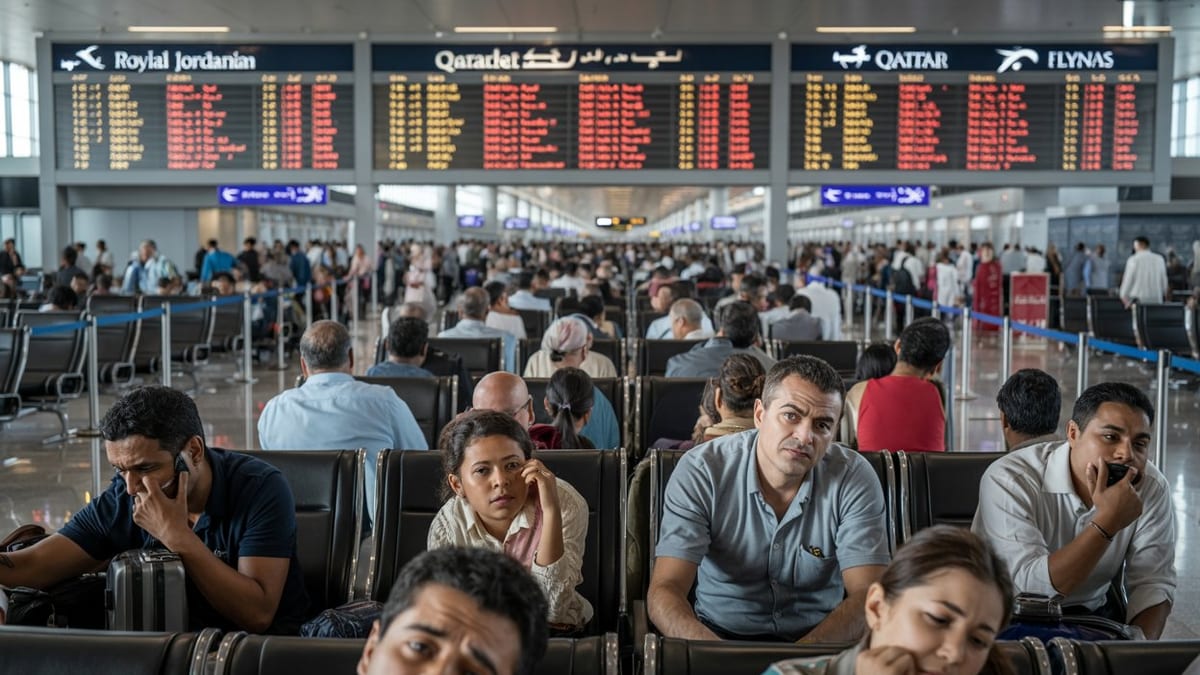
Wide-Scale Disruptions Across Carriers and Routes
Publicly available flight-tracking data for Monday, July 6, indicate that Hartsfield–Jackson Atlanta International Airport experienced a notable wave of cancellations and late departures, with 59 flights canceled and 378 delayed over the course of the day. The disruption cut across major and regional carriers, hitting passengers traveling on Delta Air Lines, its regional affiliates such as Endeavor Air and Republic, and low-cost operators including Frontier. JetBlue flights were also affected as schedules tightened and turnaround times stretched.
The pattern of disruption was visible on several core routes that funnel traffic through Atlanta. Delta and its partners operate frequent connections from Hartsfield–Jackson to regional cities such as Lexington and Harrisburg, which serve as important spokes in the airline’s domestic network. On July 6, these short-haul services were among those showing late departures and schedule changes, complicating onward connections for travelers using Atlanta as a transfer point.
Longer routes were not spared. Flights between Atlanta and Las Vegas, a high-volume leisure market, saw knock-on effects from earlier delays, while services tied to Florida beach destinations, including Daytona Beach, also reflected irregular operations. Data for transatlantic services showed disruptions reaching into international schedules, with Atlanta to Barcelona among the routes affected by the broader slowdown.
The elevated number of delayed flights suggests that the impact went beyond isolated cancellations. Rolling delays across multiple banks of departures meant that aircraft and crew positioning became more challenging as the day wore on, putting additional strain on already busy operations at what is consistently ranked as one of the world’s busiest passenger airports.
Legacy Hub Under Pressure During Peak Travel
Hartsfield–Jackson serves as Delta Air Lines’ primary hub and a critical transfer point for partner carriers and low-cost competitors alike. Airport traffic reports for 2026 show Delta and its affiliates accounting for the majority of passenger movements at the facility, with Frontier, JetBlue and other carriers contributing a smaller but significant share of domestic and international traffic.
When irregular operations occur at such a dominant hub, even a limited number of cancellations can quickly translate into widespread disruption. A single missed departure on a regional connection may strand travelers trying to reach larger domestic gateways or international flights. On July 6, this dynamic appeared to be in play as Atlanta’s delays cascaded onto routes serving cities like Lexington and Harrisburg, which often have fewer alternate options and less frequent service.
Recent months have underscored how sensitive Atlanta’s system can be to weather, staffing pressures and technical issues. Earlier in 2026, storms and temporary traffic management initiatives around Hartsfield–Jackson led to ground delays and flight diversions, while previous holiday periods have seen busy weekends complicated by crew shortages and aircraft reassignments. The July 6 disruptions fit into this broader pattern of operational strain during heavy travel windows.
Because Atlanta functions as both an origin and connecting point for millions of passengers, any slowdown ripples far beyond the city itself. Travelers bound for Las Vegas resorts, European holiday destinations such as Barcelona or regional vacation spots in Florida can all feel the impact of irregular operations originating at the Georgia hub.
Passenger Experience: Missed Connections and Overnight Rebookings
For travelers, the most immediate consequence of July 6’s cancellations and delays was uncertainty around departure times and missed connections. Real-time tracking platforms showed schedules shifting repeatedly through the day, with some services moving from on time to delayed and, in certain cases, to canceled as crews and aircraft fell out of sequence.
Domestic routes from Atlanta to regional airports such as Lexington and Harrisburg are particularly important for connecting itineraries, and schedule disruptions there can leave passengers facing lengthy rebooking processes. Similarly, delays to high-demand leisure destinations, including Las Vegas and Daytona Beach, increased the likelihood of missed hotel check-ins and lost prepaid reservations for events or tours.
International travelers encountered their own challenges. With transatlantic flights generally departing in concentrated late-afternoon and evening banks, even moderate delays earlier in the day on feeder flights into Atlanta can lead to tight connections or forced overnight stays. When a long-haul segment such as Atlanta to Barcelona falls behind schedule or is pulled from service, options for same-day rebooking are often limited, especially during peak summer demand.
Travelers monitoring social media and online forums on July 6 reported extended waits in terminal areas, changing gate assignments and crowded customer service lines as airlines worked to reassign seats and reissue tickets. While some passengers were able to secure alternative routings, others faced overnight stays and arrival times pushed into the following day.
Operational and Systemic Factors Behind the Disruption
Publicly available reporting and historical patterns suggest that a mix of operational and systemic factors likely contributed to the July 6 disruption at Hartsfield–Jackson. Weather across key airspace corridors, crew availability, high summer demand and ongoing pressure on airline scheduling systems can all interact to produce the type of elevated cancellation and delay counts recorded at the airport.
Industry data from recent years show that major U.S. carriers, including Delta and its regional partners, have periodically struggled with aligning aggressive summer schedules with available staffing and aircraft. When thunderstorms, ground-delay programs or technical issues emerge on top of tight timetables, airlines often respond with rolling delays that later turn into cancellations once crew duty limits or maintenance windows are reached.
Regional affiliates such as Endeavor Air and Republic are frequently on the front line of these adjustments. Their flights connect smaller cities to large hubs like Atlanta, but they also operate on finely tuned schedules that leave limited room for recovery when disruptions occur. If one early regional leg is late or canceled, it can cascade across multiple subsequent departures tied to the same aircraft or crew.
Low-cost carriers such as Frontier and network competitors like JetBlue operate with their own constraints, including high aircraft utilization and leaner spare-capacity margins. When hub congestion builds, these airlines may have fewer backup aircraft or crews immediately available in Atlanta, increasing the risk of cancellations or lengthy delays even when only a modest number of flights are directly affected.
What Travelers Can Do on High-Disruption Days
The July 6 operational challenges at Hartsfield–Jackson highlight steps travelers can take when flight-tracking services show mounting cancellations and delays at a major hub. Publicly accessible aviation dashboards and airline apps often register disruption trends early, giving passengers a chance to adjust plans before reaching the airport.
For those connecting through Atlanta on routes to cities such as Lexington, Harrisburg or Daytona Beach, building longer connection windows during peak summer periods can provide a buffer against rolling delays. Travelers bound for long-haul destinations like Barcelona may benefit from monitoring their inbound feeder flights closely and contacting their airline as soon as indicators suggest a risk to the onward segment.
Same-day flexibility can also be crucial. On days when dozens of flights are already delayed or canceled, rebooking options diminish rapidly as aircraft fill up. Using airline mobile tools to request alternative routings, including connections via other hubs, can sometimes secure earlier arrivals than waiting in terminal queues alone.
While Hartsfield–Jackson’s scale and connectivity typically offer many options for rerouting, the July 6 experience shows that even the world’s largest hubs are vulnerable to systemic stress. For passengers, awareness of emerging disruptions and a proactive approach to rebooking remain key to navigating days when cancellations and delays at Atlanta reach into the hundreds.