


More news on this day
Fresh rounds of flight cancellations at Frankfurt and Munich are disrupting travel across Germany and beyond, with services on Lufthansa, United, KLM and other carriers affected on key routes to Berlin, Rome, Naples, Amsterdam, Keflavik, Washington and additional destinations.
Get the latest news straight to your inbox!
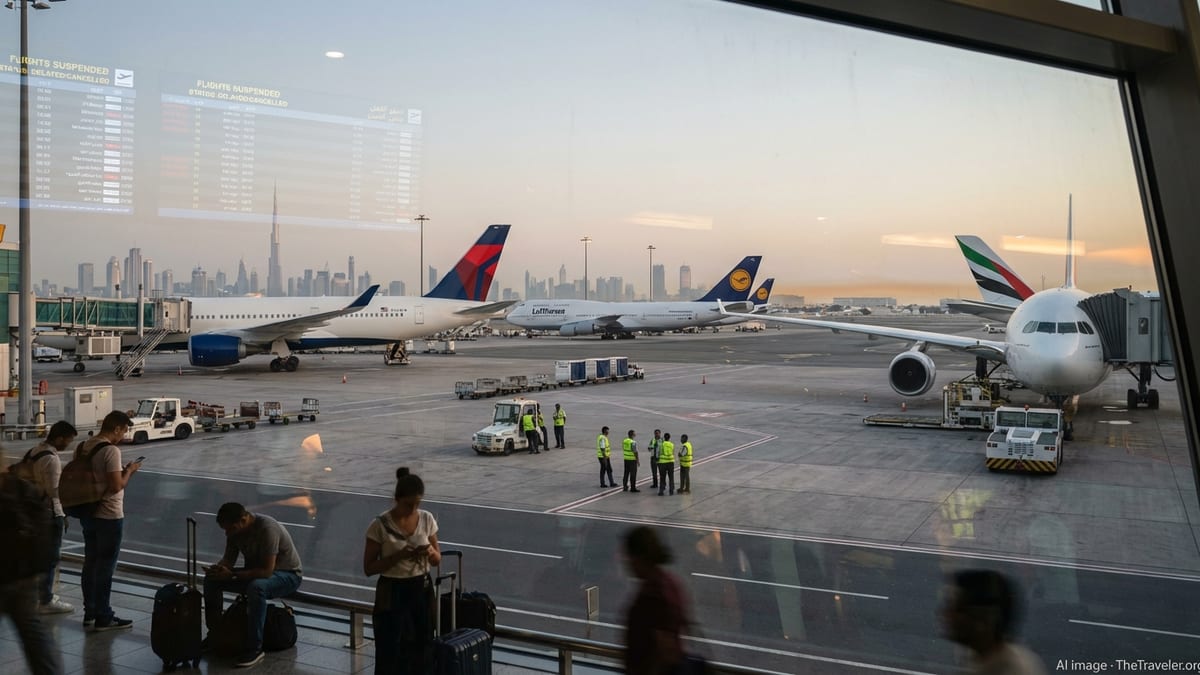
Targeted Cancellations Hit Germany’s Busiest Hubs
Reports from schedule trackers and airport information screens on May 12 indicate that more than a dozen flights have been withdrawn from the daily timetables at Frankfurt and Munich, two of Europe’s busiest connecting hubs. While most flights continue to operate, a growing pattern of isolated cancellations is creating significant knock-on disruption for passengers connecting through Germany.
The latest round of disruption comes on top of a wider capacity reduction program by Lufthansa Group, which has already announced plans to remove tens of thousands of short haul services from its summer schedule through October 2026 across its main hubs, including Frankfurt and Munich. These structural cuts, designed to manage higher fuel costs and a reshaped network, mean that even a relatively small cluster of day-of-travel cancellations can have an outsized effect on itineraries that rely on tight banked connections.
Flight history data for recent days shows that flights linking Frankfurt and Munich with other European cities have been among those affected, with some services cancelled on one day and operating normally the next. This creates uncertainty for travelers planning near term trips, particularly those who depend on specific departure times to meet onward long haul connections.
Travel forums and social media posts from passengers transiting Germany in recent weeks describe short notice cancellation emails, automatic rebookings to later flights and, in some cases, rerouting via alternate hubs when suitable replacement services through Frankfurt or Munich are unavailable.
Routes to Major European Cities Among Those Affected
Among the flights impacted are services linking Frankfurt and Munich with other major European cities such as Berlin, Rome, Naples and Amsterdam. These routes are typically served several times per day by Lufthansa and partner airlines, forming a core part of the feeder network that supplies long haul departures.
Recent flight records show, for example, that selected Lufthansa services between Rome Fiumicino and Munich have seen cancellations on individual days, sandwiched between normally operating flights on the same route. On other days, flights between the two cities have operated to schedule, illustrating the patchwork nature of the current disruption rather than a blanket suspension of specific routes.
Connections to Italian leisure destinations, including Naples, have also featured in the evolving cancellation lists, according to publicly available schedule data and passenger reports. For many travelers, this has meant last minute adjustments to holiday or business plans, especially where alternative departures on the same day are already heavily booked.
To the north, services to Amsterdam continue to run as part of the dense corridor of flights between German hubs and the Dutch capital, but some departures have been trimmed from future schedules. Passengers booked on affected flights report being rebooked either earlier in the day or onto alliance partner services, sometimes involving an additional change of planes.
Transatlantic Links and Codeshares See Knock-On Effects
Disruption is not limited to intra European traffic. Transatlantic links, including Frankfurt’s key connection to Washington Dulles, are experiencing indirect pressure as feeder flights into Germany are thinned out or rescheduled. While most long haul departures remain on the boards, passengers whose regional flights are cancelled can find themselves misconnecting and needing rerouting on later services.
According to published coverage on recent schedule changes, Lufthansa has been prioritizing the protection of its long haul flying program while reshaping the short haul network that feeds it. This means that flights such as Frankfurt to Washington may continue to operate broadly as planned, but travelers originating in secondary European markets could find that the once straightforward one stop connection now requires an earlier departure or an overnight stay.
United, KLM and other alliance and codeshare partners are also drawn into the disruption when their customers hold tickets that involve a German hub. Travel advisories issued in recent weeks by partner carriers have highlighted temporary waivers on change fees for itineraries touching Frankfurt and Munich during previous strike periods, and passengers now face a similar need to check whether their current bookings are still operating as ticketed.
In some cases, long haul passengers report being rebooked away from Lufthansa operated flights altogether and placed instead on partner services that bypass Germany, such as nonstop options from other European hubs to North America. While this can preserve the overall journey, it often alters departure times and seat selections and may require fresh security and immigration checks at unfamiliar transit points.
Ongoing Impact of Earlier Strikes and Structural Cuts
The latest cancellations come against a backdrop of industrial action and structural network changes that have been reshaping Lufthansa Group’s operations since early spring. Cabin crew and pilot strike actions in April prompted several days of significant disruption at Frankfurt and Munich, and although those strike windows have closed, the knock-on scheduling adjustments and aircraft rotations continue to ripple through May.
In parallel, Lufthansa has been implementing a wide ranging capacity reduction on short haul services, linked to higher fuel costs and the retirement or restructuring of regional subsidiaries. Publicly available analyses of the airline’s plans describe thousands of flights being removed from the timetable through late 2026, particularly on thinner point to point routes that feed into the major hubs.
For travelers, this means that some of today’s cancellations are not isolated operational hiccups but part of a broader pattern in which marginal flights are more vulnerable to being cut when aircraft or crews are in short supply. Once a flight is removed from the schedule, neighboring departures can become heavily loaded, reducing flexibility for same day rebooking.
Industry observers note that the resulting network is more concentrated on core trunk routes and peak time bank structures, offering efficiencies for the airline but potentially less resilience for passengers when irregular operations occur. Delays or cancellations during busy morning and evening waves at Frankfurt and Munich can now cascade more quickly across connecting banks.
What Travelers Through Germany Should Expect Now
For passengers scheduled to travel through Frankfurt or Munich in the coming days, publicly available guidance from consumer groups and travel advisors emphasizes frequent monitoring of itineraries. Airlines are continuing to update schedules and issue rebookings, sometimes only a day or two before departure, meaning that confirmed flights can shift with relatively little warning.
Travel experts recommend building in additional buffer time for connections through German hubs, particularly for journeys that rely on a single daily long haul departure. Where possible, travelers may wish to select earlier feeder flights into Frankfurt or Munich or explore routing options that avoid tight same day connections.
Reports from affected passengers underline the importance of checking both the operating carrier and the marketing carrier for the most current information, especially on itineraries involving United, KLM and other alliance partners. A flight that appears on time in one system may already have a schedule change pending in another, and codeshare numbers can mask changes to the underlying operating service.
With the summer travel season approaching and Lufthansa’s broader capacity reductions still unfolding, observers expect intermittent cancellations at Frankfurt and Munich to remain a feature of the European travel landscape. Travelers heading to or from cities such as Berlin, Rome, Naples, Amsterdam, Keflavik and Washington are being advised to stay alert to updates and to prepare contingency plans in case their chosen flights are among those trimmed from the schedule.