


More news on this day
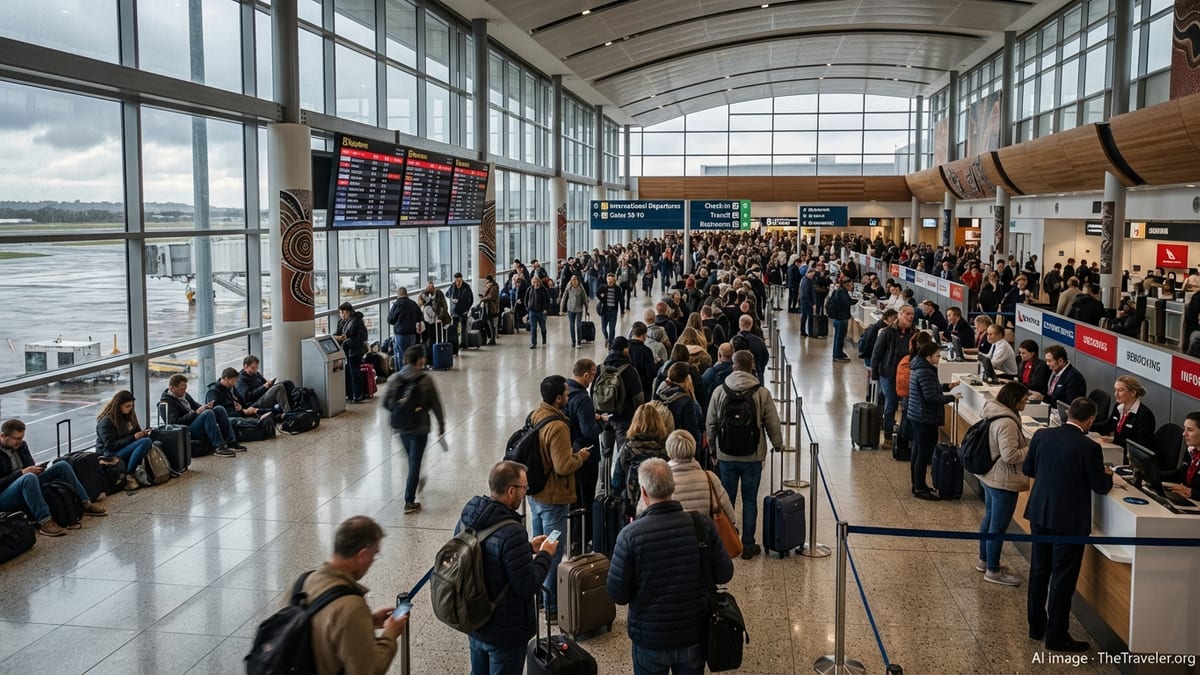
Vancouver International Airport experienced a fresh wave of disruption as 35 departures were delayed and eight were cancelled, affecting services operated by Jazz, Korean Air, Air Canada and other carriers across key routes including Calgary, Montreal and San Francisco.
Get the latest news straight to your inbox!
Network Strain Triggers New Round of Irregular Operations
Real-time tracking data for Tuesday, May 12, indicates a clustered pattern of delays emerging through the late morning and early afternoon departure banks at Vancouver International Airport. The bulk of affected services involve short and medium haul flights, where even modest schedule slippage can cascade into wider network disruption.
Operational analysts point to a familiar mix of contributing factors: late inbound aircraft from other Canadian and transborder hubs, tight turn times at Vancouver, and minimal spare capacity in peak periods. When one or two aircraft miss their slots, knock-on effects can spread quickly across the departure board, particularly on heavily trafficked domestic corridors.
On this latest day of disruption, 35 flights departed later than scheduled, in many cases by more than 45 minutes, while eight services were cancelled outright. These irregular operations are concentrated on routes linking Vancouver with major Canadian cities and several U.S. West Coast gateways, underscoring the sensitivity of these corridors to even localized schedule pressure.
Recent weeks have already seen heightened operational volatility at Vancouver, with publicly available coverage describing more than 60 disrupted flights over the preceding weekend as airlines grappled with network congestion and resource constraints rather than severe weather.
Jazz, Air Canada and Partner Operations Hit on Core Domestic Routes
Among the most visible impacts at Vancouver are services operated by Jazz under the Air Canada Express banner. These regional flights connect Vancouver with cities such as Calgary and Montreal, feeding passengers into the wider Air Canada network and acting as critical links for communities that rely on frequent short-haul service.
On Tuesday’s departure board, Jazz-operated flights showed a disproportionate share of the delays, particularly on shuttle-style frequencies to Calgary and other Western Canadian destinations. In several cases, aircraft assigned to these routes arrived late from earlier rotations, leaving crews with compressed turnaround windows and little room to recover schedule time.
Air Canada’s mainline operation also experienced disruptions, with select departures to major hubs like Montreal and Toronto leaving behind schedule or being withdrawn from service. Publicly available flight-status data points to a pattern where one cancelled or heavily delayed domestic leg can unsettle onward connections, forcing airlines to consolidate loads or reposition aircraft later in the day.
The interplay between mainline and regional operations is especially important at Vancouver. When a regional feeder is delayed, passengers booked onto long-haul departures can miss their connections, while the aircraft itself may be scheduled for multiple subsequent legs. This structural interdependence means that regional disruptions can quickly scale into network-wide challenges.
Korean Air and International Links Feel Downstream Effects
International operators are also exposed when Vancouver runs tight on schedule. Korean Air’s service between Seoul and Vancouver, which typically operates on a mid-day arrival and departure pattern, is synchronized with a series of North American connections. Any congestion in the domestic and transborder banks can therefore reduce connection times or leave transfer passengers stranded.
On the day of disruption, departures data show that long-haul flights including Korean Air’s operation to Seoul were boarding and turning around in an environment of elevated gate and taxiway congestion. While some international services still departed close to schedule, the cumulative effect of delayed feeder traffic complicated connections for travelers linking from cities such as Calgary, Edmonton or Montreal via Vancouver.
International partner airlines depend heavily on smooth handovers from regional and national carriers at Vancouver. When those feeder flights are delayed or cancelled, carriers can see a last-minute reshaping of their passenger loads, with some flights leaving with empty seats while others are over-subscribed due to rebooked passengers from disrupted services.
Industry observers note that these dynamics are particularly challenging in the current environment of constrained capacity and high fuel costs. Airlines have been cautious about maintaining buffer capacity, leaving less flexibility when irregular operations flare up at major hubs like Vancouver.
Routes to Calgary, Montreal, San Francisco and Beyond Affected
The 35 delayed and eight cancelled flights at Vancouver are spread across a diverse set of destinations, but several corridors stand out. Short-haul shuttles to Calgary and longer domestic sectors to Montreal saw recurring schedule pressure, reflecting their role as trunk routes within Canadian aviation.
Transborder operations to the United States, including San Francisco, also featured among the affected services. These flights are vital links for both leisure and business travelers, and disruptions can reverberate across connecting itineraries that range from intra-Canada trips to long-haul journeys onward to Asia and Europe.
Services to other Canadian cities, including secondary Western destinations and smaller regional airports, were not spared. For some of these communities, a single cancelled frequency from Vancouver can represent the loss of a key daily connection, forcing travelers to overnight or reroute through alternative hubs.
Travel data aggregators indicate that this latest episode comes amid a longer stretch of softening air travel volumes between Vancouver and some U.S. destinations. In that context, each irregular-operations day carries added weight, potentially shaping traveler perceptions at a time when airlines and airports are working to rebuild confidence.
What Travelers Can Expect and How to Minimize Disruption
For passengers passing through Vancouver on days marked by elevated delays and cancellations, the immediate impact is felt in longer waits at gates, missed connections and abrupt changes to travel plans. Airlines generally respond by rebooking travelers on later flights, consolidating lightly loaded departures, or arranging accommodation and meal vouchers in line with their policies and applicable regulations.
Public guidance from airport authorities and consumer advocates stresses the importance of monitoring flight status closely through airline apps and airport information displays. Real-time updates can allow passengers to adjust their arrival time at the terminal, rebook proactively when irregular operations begin to build, or explore alternative routings before remaining seats are taken.
Canada’s Air Passenger Protection Regulations set out minimum standards of treatment and, in some cases, compensation when flights originating in Canada are delayed or cancelled for reasons within an airline’s control. While each case depends on the specific cause of disruption and the size of the carrier, the framework gives affected travelers a clearer basis for requesting assistance or reimbursement.
As spring travel ramps up, operational experts anticipate that Vancouver and other Canadian hubs will continue to face episodic pressure from tightly wound schedules, weather variability and constrained resources. For now, the latest tally of 35 delays and eight cancellations at Vancouver serves as another reminder that even on clear-weather days, the air travel system can remain vulnerable to rapid, network-wide disruption.