


More news on this day
Unexpected Icelandair cancellations on routes linking the United States, Denmark, and Iceland in early May have left passengers stranded in airports from Seattle to Keflavik, raising fresh questions about the reliability of one of the North Atlantic’s most important transit hubs.
Get the latest news straight to your inbox!
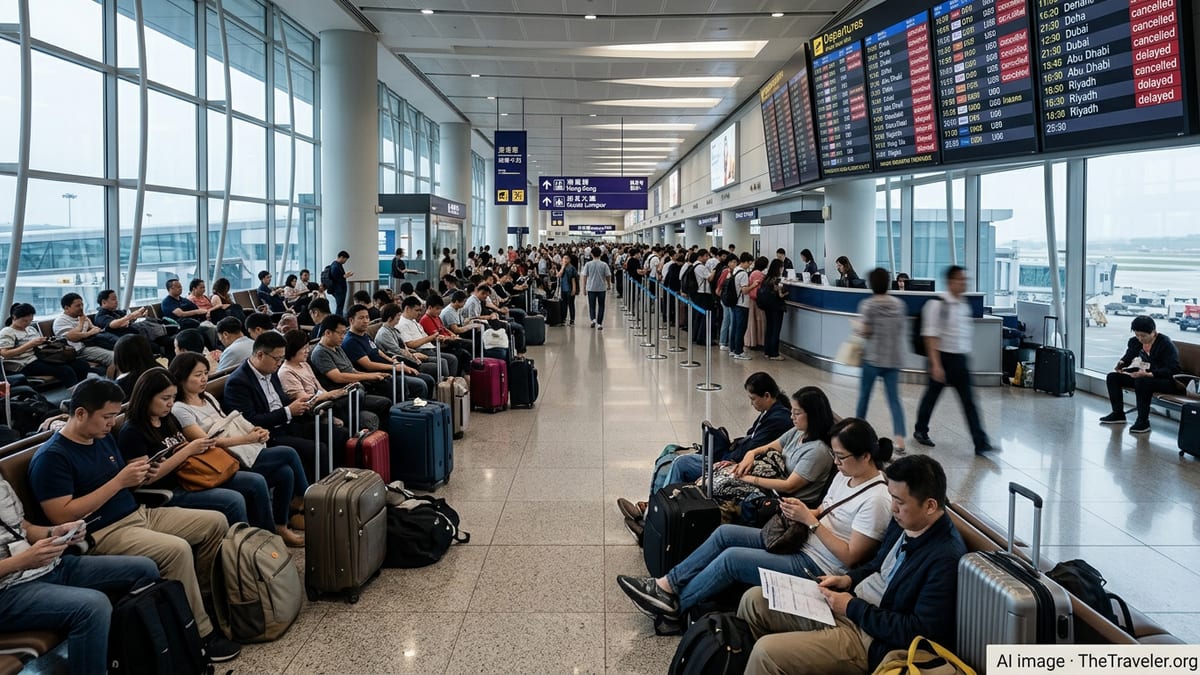
Key Seattle–Reykjavik Flight Abruptly Pulled
Flight tracking data show that Icelandair service FI680 between Seattle Tacoma International Airport and Keflavik International Airport, a core transatlantic link for travelers from the U.S. West Coast to Europe, experienced a sudden cancellation over the weekend of May 9 to May 10. Publicly available schedules indicate that the May 9 departure, which normally leaves Seattle in mid afternoon and arrives in Iceland the following morning, was marked as cancelled after operating as normal earlier in the week.
The move left passengers relying on Iceland as a connection point facing last minute changes. Travelers using Seattle as their gateway to European destinations such as Paris, Milan, or the Nordic capitals typically depend on the overnight Seattle to Reykjavik leg to reach Iceland in time for morning banks of onward flights. When that service is removed at short notice, many itineraries unravel, with passengers forced into overnight waits or lengthy reroutes through other hubs.
Additional flight history records show that the same route operated as scheduled on May 8 and earlier dates, underscoring how sharply conditions changed for the affected weekend departure. For many passengers, the sudden nature of the disruption is likely to be more significant than a one off schedule reduction, since alternative options from the U.S. Pacific Northwest to Europe remain relatively limited outside the largest coastal hubs.
Seat maps and airline communications frequently describe the Seattle link as part of Icelandair’s broader strategy to pull traffic from secondary North American cities into its Reykjavik hub. That design enables one stop connections to dozens of European cities, but it also concentrates risk. When a single transatlantic leg is cancelled, disruption can cascade across multiple itineraries in both directions.
Connecting Banks Through Keflavik Under Pressure
The recent cancellation in Seattle coincides with a period of intensified scrutiny on Iceland as a mid Atlantic connector. Published accounts from travelers over the past several weeks describe a series of schedule adjustments, occasional last minute changes, and shorter notice rebookings on Icelandair services across Europe and North America, including itineraries intended to link through Keflavik on the way to Copenhagen and other major capitals.
One recurring theme in these reports is the fragility of carefully timed layovers. Passengers describe cases in which revised routings from one European city into Copenhagen no longer align with onward departures from Denmark back to Iceland, effectively severing the connection that made the itinerary workable. In practice, this can strand travelers in an intermediate city or require entirely new tickets via different hubs such as Amsterdam, London, or Frankfurt.
Keflavik’s role as a spoke and hub system means that Icelandair typically concentrates departures and arrivals in waves. When one or more flights in those waves are withdrawn, passengers may be unable to continue their journeys until the next bank, sometimes a full day later. Travel forums and social media posts in recent months have highlighted missed connections that led to overnight hotel stays, bus transfers between Keflavik and Reykjavik, and protracted efforts to secure compensation.
While no single factor has been publicly identified as the cause of the latest round of cancellations, historical patterns suggest that a mix of operational constraints, aircraft availability and seasonal demand adjustments can all trigger short notice changes. For passengers, the distinction matters less than the fact that a missed bank at Keflavik can quickly ripple across an entire continent’s worth of onward flights.
Copenhagen Links and Summer Schedule Shifts
The disruptions are particularly sensitive on the corridor between Iceland and Denmark, where Reykjavik and Copenhagen serve as gateways for Nordic and Baltic travel. Schedule data show that Icelandair’s FI217 service between Copenhagen and Keflavik is slated to operate in the peak summer period from early June through early September, making it a key seasonal connector for travelers planning multi country itineraries that combine Iceland with Denmark or Sweden.
However, in the weeks leading up to the full launch of the summer schedule, passengers on related routes have reported cancellations and time changes that complicate travel planning. In some cases, travelers originally booked on direct or well timed flights have been shifted to itineraries that require longer waits in Copenhagen or new routings through other European cities in order to rejoin the Iceland network.
These adjustments come at a time when publicly available traffic figures show Icelandair moving hundreds of thousands of passengers per month as it rebuilds its network. Industry summaries for March 2026 reported more than 340,000 travelers carried across the airline’s routes, underscoring how central its operations are to tourism and business travel into and out of Iceland. Any turbulence in the Denmark link therefore has implications beyond a single point to point route.
Travel planners note that Copenhagen is not only a destination in itself but also a major Star Alliance and regional hub. When Icelandair flights feeding into or out of that hub face disruption, travelers may lose carefully constructed combinations of tickets across multiple airlines. Reconstructing those journeys on the day of travel can be challenging, particularly during late spring and early summer when load factors are high and remaining seats on alternative departures are limited.
Passenger Rights, Rebooking, and Compensation Landscape
The recent wave of cancellations has renewed interest in what protections travelers can rely on when flights involving Iceland are disrupted. Publicly available guidance on European air passenger regulations indicates that many Icelandair services, particularly those departing from European Union or European Economic Area airports such as Copenhagen, may fall under EU style compensation and care rules in the event of certain cancellations and long delays not linked to extraordinary circumstances.
Travel advice circulating in consumer forums emphasizes that passengers on affected itineraries should keep records of their original schedule, written notices of cancellation, and receipts for meals or accommodation incurred while stranded. These documents are often required when submitting claims for reimbursement or compensation. Some accounts from earlier in 2026 describe successful claims leading to hotel coverage in Reykjavik and monetary compensation when disruptions were deemed within the airline’s control.
For U.S. based travelers starting their journeys in cities such as Seattle, the framework is different. Domestic regulations focus primarily on refund rights when a flight is cancelled and the passenger chooses not to travel, rather than automatic cash compensation. In practice, this means that itineraries that mix U.S. departures with European connections can be governed by a patchwork of rules depending on where each leg originates and which carrier is responsible for a given segment.
Consumer advocates often recommend that travelers booking complex transatlantic trips through Iceland consider flexible tickets, comprehensive travel insurance, and itineraries that allow extra time between critical connections, especially during shoulder seasons when schedules are still ramping up. The latest disruptions between the United States, Iceland, and Denmark are likely to reinforce that message, as they illustrate how one cancelled overnight transatlantic flight or a missed Copenhagen connection can upend plans across multiple countries in a single day.
Outlook for Travelers Planning Upcoming Trips
Looking ahead to late spring and summer, Icelandair’s published schedule continues to position Keflavik as a linchpin between North America and Europe, with an expanded roster of seasonal destinations joining year round mainstays. New or returning routes into southern Europe and additional North American cities are expected to funnel even more traffic through the Icelandic hub at peak travel times.
At the same time, recent incidents involving cancellations on high profile services from Seattle and adjustments affecting Copenhagen connections have reminded travelers that hub and spoke systems can be vulnerable when any individual link weakens. As bookings grow, even a small number of short notice cancellations can leave aircraft fully booked for days, constraining rebooking options and increasing the likelihood that passengers will need overnight accommodation or entirely new routings.
Publicly available performance data for Icelandair over the early months of 2026 show generally solid on time metrics on many routes, but also pockets of volatility where individual flights experience delays or cancellations over short periods. Combined with anecdotal reports of schedule thinning on some European sectors, this has created a perception among some travelers that extra caution is warranted when planning tight transatlantic connections through Iceland.
For now, travel specialists and experienced passengers alike are urging those with upcoming trips between the United States, Iceland, and Denmark to monitor flight status closely in the days leading up to departure, verify minimum connection times through Keflavik and Copenhagen, and prepare contingency plans where possible. As the latest disruptions demonstrate, a sudden cancellation on a single Icelandair flight can have outsized consequences across the wider web of transatlantic and European connectivity that many travelers rely on.