


More news on this day
Travelers at Nashville International Airport on June 20 faced a fresh wave of schedule disruptions as American Airlines and Air Canada canceled multiple departures and reported cascading delays, affecting itineraries across the United States, Canada, Mexico, Puerto Rico, the Dominican Republic and the United Kingdom.
Get the latest news straight to your inbox!
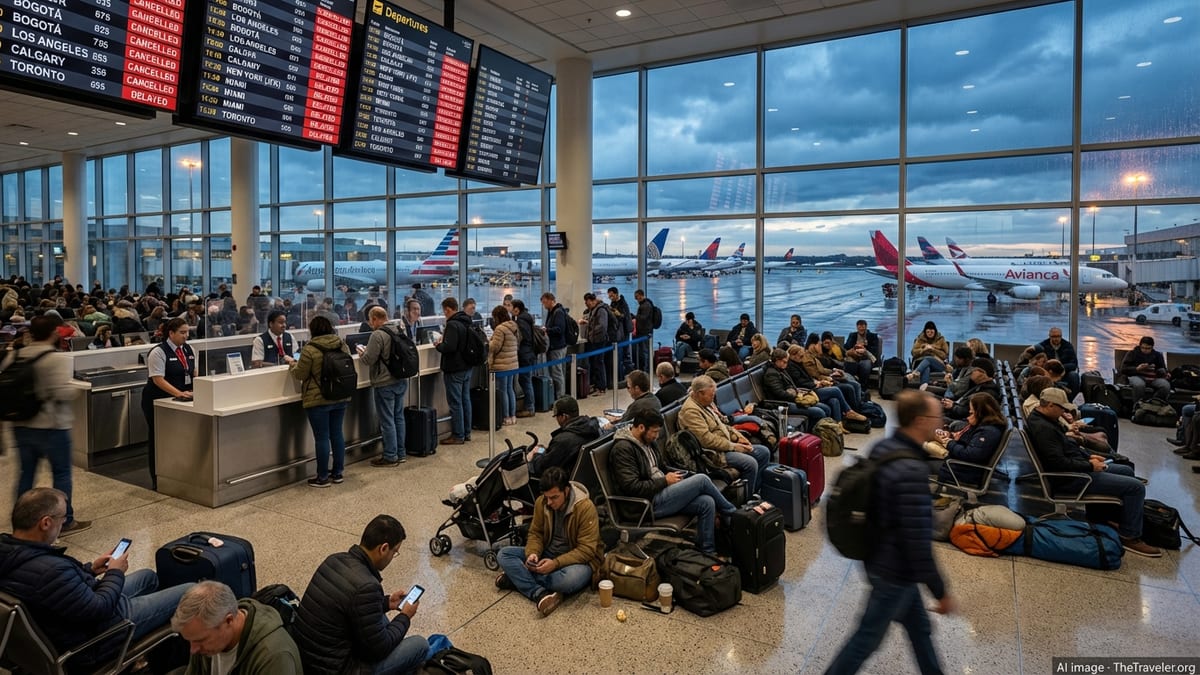
Cluster of Cancellations Hits Key Departures
Publicly available tracking data and schedule boards for Nashville International Airport on Saturday indicate that at least three departures operated by American Airlines and Air Canada were canceled, with several additional flights facing rolling delays. The disruptions were concentrated in the late afternoon and evening periods, when connecting traffic to major hubs is typically heaviest.
The affected flights include services that normally route passengers from Nashville into large North American and transatlantic networks, making the impact wider than a simple point to point cancellation. While operational details vary by flight, the net effect has been to strand some travelers in Nashville and force others into unplanned overnight stays or complex rebooked routings.
In some cases, delays stretched late into the evening before ultimately resulting in cancellations, a pattern that has been seen in other recent operational snags across the industry. Travelers at Nashville reported through social platforms and travel forums that departure times were repeatedly pushed back before flights were finally removed from the departure boards.
The disruptions come at a time when Nashville International has been handling near record passenger volumes in the run up to the busy summer travel period, increasing pressure on airlines and airport infrastructure when irregular operations occur.
Ripple Effects Across US, Canada and Transborder Hubs
Because the canceled and delayed flights were tied to major hub airports, the operational impact extended well beyond Nashville. American Airlines flights from Nashville into hubs such as Miami, Dallas Fort Worth and Charlotte connect to a dense web of domestic and international routes, including onward services to Mexico, Puerto Rico and the Caribbean. When one or more of these feeders is canceled, passengers on through tickets can miss onward departures even if the long haul legs operate as scheduled.
Similarly, Air Canada’s Nashville services link into the carrier’s hubs at Toronto and Montreal, which handle flows to destinations across Canada, as well as transatlantic markets including the United Kingdom. A single canceled transborder sector can therefore create difficulties for travelers booked to continue on to London or connecting Canadian cities, particularly on busy summer weekend dates when rebooking options are limited.
Travel industry analysis in recent months has highlighted how tightly interconnected route networks can magnify the effect of relatively small clusters of cancellations. With aircraft and crew already operating close to capacity during peak periods, even a handful of missed rotations at an airport like Nashville can trigger aircraft and staff imbalances that are felt at multiple hubs several hours later.
Weather, air traffic control programs in congested corridors, and day of operations staffing constraints have all been cited in recent coverage as contributing factors that can tip a single airport disruption into a multi city event. Early summer thunderstorm patterns over parts of the eastern United States and southern Canada, in particular, have been associated with ground delay programs and holding patterns that complicate hub connectivity.
Knock On Impact for Mexico, Caribbean and UK Holiday Routes
The timing of the Nashville disruptions is particularly sensitive for leisure travelers heading to sun and city destinations. Flights from Nashville into American’s and Air Canada’s main hubs feed onward departures to popular resort markets in Mexico and the Caribbean, including Puerto Rico and the Dominican Republic, as well as summer city breaks in the United Kingdom.
When a Nashville to hub sector is canceled, passengers may find that their once daily long haul or island bound flight has already departed, leaving limited alternatives the same day. Some travel advisories and consumer resources note that, during peak months, downstream flights to resort areas and transatlantic destinations often run near full, which leaves little spare capacity for accommodating disrupted passengers from multiple feeder airports.
The result can be a chain of rebookings that push travelers onto next day flights, reroute them through alternate hubs, or split groups across different connections. Families heading to vacation properties, cruises or time sensitive events are among those most exposed, especially when minimum change windows or strict check in cutoffs apply at their final destination.
Published guidance from airline and airport sources also underscores that disruptions on inbound flights to the United Kingdom can intersect with slot and curfew restrictions at major airports there, limiting the ability to add extra sections or retimed operations at short notice. This can further slow the recovery of schedules after a day of upstream cancellations in North America.
What Travelers Are Experiencing at Nashville
Reports from passenger forums and social media posts on Saturday described crowded gate areas at Nashville International, with many travelers watching departure times shift incrementally across the display boards. Some passengers referenced waits of several hours as airlines attempted to recover schedules or source aircraft and crew to operate delayed flights.
Crowding in customer service lines and at self service kiosks is a familiar feature of disruption days, and Nashville appears to have been no exception. Travelers shared accounts of rebookings through alternate hubs, same day standby attempts, and in some cases last minute decisions to rent cars and drive to other airports or onward destinations when overnight stays loomed.
Airport operators and aviation observers have previously noted that Nashville’s rapid growth in recent years has challenged gate availability and processing capacity during peak waves. When combined with irregular operations, this can translate into longer waits for assistance and fewer same day alternatives from the same carrier.
Some travelers benefit from automated rebooking messages and app based notifications that can provide updated itineraries without the need to queue, but others, including those on complex multi city tickets or separate reservations, often still need in person assistance, adding to the strain on airport customer service facilities.
Rebooking Options, Rights and Preparation Tips
Publicly available customer commitments from American Airlines outline that, in the event of a cancellation or significant delay that risks a missed connection, the carrier will attempt to rebook travelers on the next available flight at no additional fare, subject to seat availability. Air Canada publishes similar guidance for its customers, and in some jurisdictions additional protections may apply if disruptions are within a carrier’s control.
Travel advocates regularly advise that passengers monitor their bookings closely on busy travel days, use airline apps for real time updates, and proactively search for alternative routings when the first signs of irregular operations appear on departure boards. For those connecting onwards to Mexico, Puerto Rico, the Dominican Republic or the United Kingdom, checking the status of both the Nashville departure and the onward long haul segment can provide early warning of potential missed connections.
Consumers are also encouraged by various advisory organizations to keep receipts for unexpected expenses such as meals, hotels and ground transport incurred during disruptions, as these may support later claims where compensation or reimbursement policies apply. Credit card travel protections and standalone travel insurance can, in some cases, supplement what airlines offer directly.
For upcoming travel through Nashville, experts generally recommend building in longer connection times when planning itineraries that rely on a single feeder flight to reach a once daily long haul or resort departure. In a season where thunderstorms, staffing constraints and heavy demand all play a role, extra time between flights can provide a crucial buffer when unexpected cancellations and delays occur.