


More news on this day
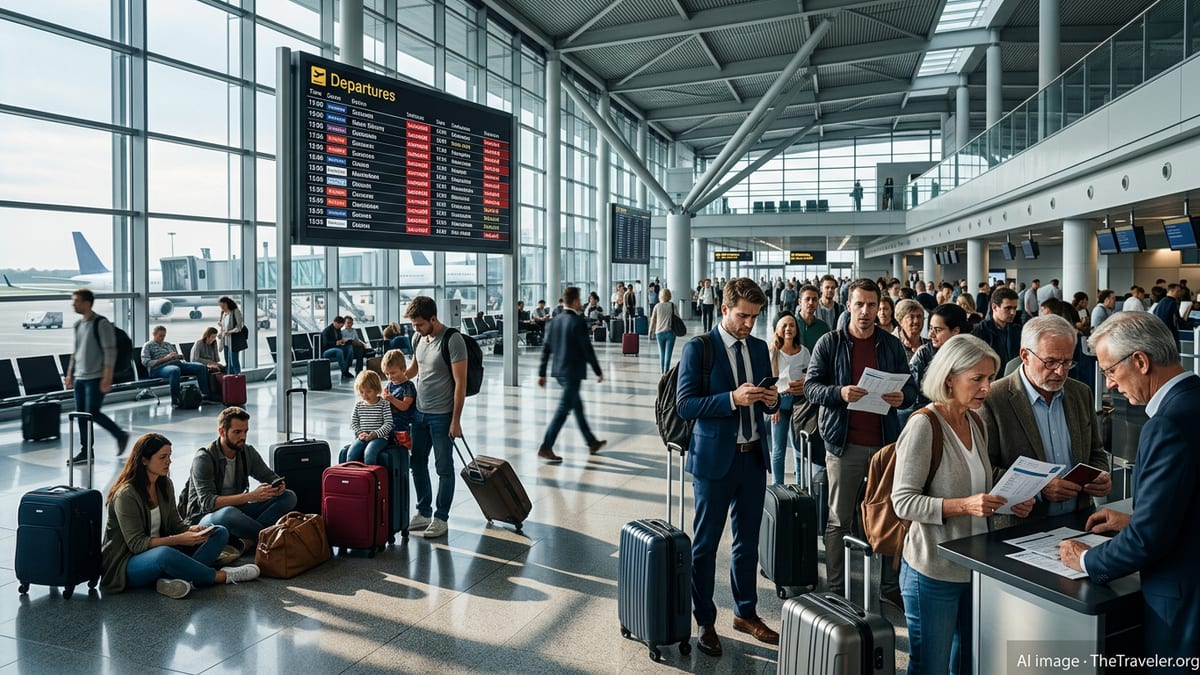
Thousands of WestJet passengers were left stranded across Canada, the United States and overseas after a brief strike by the airline’s flight attendants triggered hundreds of flight cancellations during a busy summer holiday weekend.
Get the latest news straight to your inbox!
Strike halts operations at height of summer travel
Reports indicate that WestJet flight attendants initiated a walkout on Sunday, August 2, following a breakdown in contract talks focused largely on pay and duty time. The job action affected WestJet’s mainline and some regional services, disrupting travel across its network just as many Canadians were heading out for the August long weekend.
According to published coverage, the work stoppage led to the cancellation of hundreds of flights over a period of roughly two days, forcing the airline to ground a substantial portion of its schedule. The impact rippled through major hubs such as Calgary and Vancouver, as well as transborder and transatlantic routes, stranding passengers far from home or delaying the start of vacations.
Travelers reported last minute cancellations, limited rebooking options and difficulty obtaining information as the situation evolved. Social media posts and online forums described families stuck in airports overnight and holidaymakers unable to depart from sun destinations after their return flights were removed from schedules.
The industrial action followed weeks of mounting tension, during which the union representing cabin crew had signaled its willingness to strike if negotiations did not produce a new agreement. Publicly available information shows that the strike notice coincided with one of the busiest travel periods of the Canadian summer, increasing the scale of the disruption once flights were pulled.
Tentative deal reached but recovery will take days
By Monday, August 3, WestJet and the flight attendants’ union announced a tentative agreement that paved the way for the gradual restoration of service. News reports indicate that the deal came after intensive bargaining aimed at resolving disputes over compensation, scheduling and the way unpaid duties are accounted for in crew pay structures.
Despite progress at the bargaining table, the immediate impact for passengers remained significant. Canceled flights could not be reinstated quickly, and aircraft and crews were out of position across the network. Industry analysts note that even a short strike can take several days to unwind as airlines reposition planes and staff, clear backlogs and rebook displaced travelers.
WestJet began operating a reduced schedule while working to stabilize operations. Publicly available statements from the airline, reported in Canadian media, indicate that the carrier prioritized key domestic and transborder routes while assessing demand and resource availability. Passengers on previously canceled flights were offered new itineraries where space allowed, or the option to request refunds.
Travel forums remained active with accounts from passengers who arrived at airports to find their flights still canceled or significantly delayed, even after the tentative agreement was announced. Some travelers reported being rebooked on partner airlines, while others said they were advised to make their own arrangements and seek reimbursement later, highlighting the uneven experience across the network.
Frustrated passengers describe being stranded in multiple cities
Online discussion boards and social media posts painted a picture of widespread frustration among WestJet customers caught in the disruption. Travelers reported being stranded in destinations ranging from major North American hubs to European and Caribbean cities as the carrier worked through its cancellations and limited rebooking capacity.
Some passengers described getting notification of flight cancellations only hours before departure, leaving little time to adjust plans or secure alternate routes. Others said they learned of cancellations while already en route to connecting hubs, resulting in unexpected overnight stays far from their final destinations.
Reports indicate that families returning from vacations in sun destinations faced particular challenges securing prompt alternatives, as peak-season flights were already heavily booked. In online posts, travelers described scrambling to find hotel rooms, paying out of pocket for meals and transfers, and attempting to reach customer service lines that were reportedly overwhelmed.
Travel rights advocates point out that passengers stranded abroad or at intermediate points often bear substantial additional costs during such disruptions. While many travellers eventually reached their destinations, some indicated they chose to abandon or substantially delay trips after multiple rebookings and schedule changes.
Flexible policies and passenger rights under scrutiny
In response to the strike and flight cancellations, WestJet introduced a temporary flexible change policy allowing affected customers to alter or cancel itineraries without the usual penalties. According to published coverage and publicly available airline information, this waiver applied to trips scheduled over several days encompassing the strike period.
Passengers who no longer wished to travel were offered the option of a full refund, while those willing to adjust plans could move to later dates without change fees, subject to availability. However, comments from travelers suggest that limited seat inventory on alternative flights, especially during peak season, reduced the practical benefit of these options for many.
The disruption has renewed attention on Canada’s Air Passenger Protection Regulations and the obligations carriers have when flights are canceled due to labour disputes. Consumer advocates emphasize that when cancellations are within an airline’s control, passengers may be entitled to compensation and assistance such as food vouchers, hotel accommodation and rebooking on other carriers, depending on the circumstances.
Legal specialists note that the classification of a strike and the timing of cancellations can influence what support passengers receive. With thousands of travelers affected over the weekend, there is likely to be continued scrutiny of how rebookings, refunds and out of pocket expenses were handled in the days surrounding the work stoppage.
What travelers should know for upcoming WestJet flights
Although flights are gradually resuming, industry observers recommend that WestJet passengers with upcoming trips remain proactive over the coming days. Schedules may continue to shift as the airline works through residual effects of the strike, and some routes could operate with reduced frequency while aircraft and crews are repositioned.
Travel experts advise monitoring flight status frequently, especially within 24 hours of departure, and ensuring contact details are up to date in airline bookings for timely notifications of any changes. For those with essential or time sensitive travel, purchasing flexible fares or maintaining backup options on other carriers may help mitigate risk in the event of further disruption.
Passengers whose trips were affected are also being encouraged by advocacy groups to keep detailed records of expenses incurred while stranded, including hotel stays, meals and transportation. Such documentation may be important when seeking compensation or reimbursement through the airline, travel insurance providers or credit card protections.
As WestJet continues its recovery from the strike, the episode underscores the vulnerability of peak season travel to labour disputes and operational shocks. For thousands of stranded passengers, the experience has become a reminder of the importance of contingency planning, clear communication from carriers and robust passenger protections when air travel plans suddenly unravel.