


More news on this day
Cape Town International Airport has resumed normal operations after a Kenya Airways flight experienced a tyre failure on landing this week, temporarily closing the main runway and forcing multiple international services to divert or delay.
Get the latest news straight to your inbox!
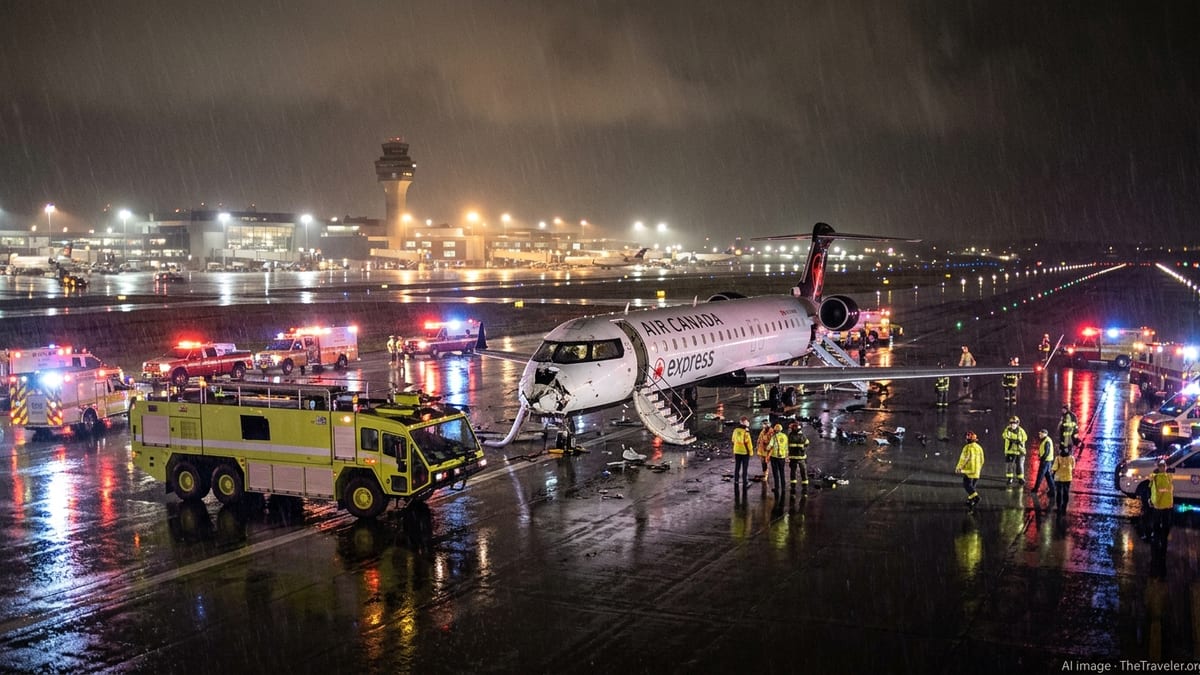
Runway Closure Follows Kenya Airways Tyre Failure
According to published coverage and flight-tracking data, a Kenya Airways aircraft landing at Cape Town International Airport earlier this week suffered a tyre-related problem on the main runway. The incident occurred on Tuesday, 4 August 2026, during the morning arrivals wave, when long-haul and regional flights typically converge on the airport.
Reports indicate that the aircraft came to a safe stop on the runway, but was unable to vacate under its own power while ground crews assessed the extent of the tyre damage. No injuries have been reported in publicly available information, and the event is being described as an operational disruption rather than a safety emergency.
Because Cape Town International has a single primary runway for larger aircraft, the disabled Kenya Airways jet effectively blocked most heavy-jet movements. A shorter cross runway remained available for some domestic and regional operations, but it could not accommodate all affected flights, particularly widebody aircraft arriving from intercontinental destinations.
Publicly accessible discussion among passengers and aviation enthusiasts shows that the affected flight had already experienced weather-related disruption on its route, highlighting how a single technical issue on the ground can compound earlier delays in a tightly scheduled network.
Diverted Flights and Knock-on Disruptions
Flight-tracking platforms and traveler accounts show that the runway blockage triggered an immediate wave of diversions. Several international services that were on approach to Cape Town, including at least one long-haul flight from North America, diverted to Johannesburg’s OR Tambo International Airport. Other inbound aircraft routed to regional alternatives such as Port Elizabeth and George to await reopening.
Passengers on diverted flights reported extended holding patterns before flight crews announced changes of destination, as air traffic controllers and airline operations centers worked through limited options in the region. Cape Town’s geography and airspace layout mean there are few large, fully equipped alternate airports within short flying distance for widebody aircraft that are already nearing the end of long intercontinental sectors.
Within Cape Town, publicly shared accounts from the terminal describe a rapid build-up of queues at airline service desks as passengers sought rebooking, hotel accommodation, or new connections. Some domestic departures continued from the secondary runway, but the loss of the main strip reduced overall capacity and slowed the flow of traffic on the ground.
Published information on airport performance notes that even short-term runway closures at Cape Town can have outsized effects, as turnaround times lengthen and aircraft, crews, and slots fall out of their planned sequence. The Kenya Airways tyre incident added to that pattern, temporarily straining an already busy winter-season schedule.
Runway Reopens and Operations Stabilise
Local news coverage indicates that engineering and recovery teams were able to remove the disabled Kenya Airways aircraft from the runway within hours, allowing the main strip at Cape Town International to reopen later the same day. Once the jet had been towed clear and the surface inspected for debris or rubber deposits, the airport gradually resumed normal arrival and departure patterns.
Airlines began working through a backlog of operations, with additional flights scheduled from Johannesburg and other diversion points to return displaced passengers to Cape Town. Some carriers opted to consolidate services or upgauge aircraft to move larger numbers of travelers once slots became available again.
Travelers departing Cape Town in the day or two after the event reported longer lines and occasional delays as the effects of the disruption rippled through crew scheduling and aircraft rotations. However, publicly available flight data suggests that by Thursday, 6 August 2026, most services were operating close to their planned times, with only residual knock-on delays remaining.
Kenya Airways has not publicly detailed the specific technical cause of the tyre failure, but industry observers note that modern commercial aircraft are designed to withstand such events, and tyre issues are typically contained without serious damage to the airframe or threat to passengers.
Spotlight on Single-Runway Vulnerability
The incident has renewed attention on Cape Town International’s reliance on a single primary runway for large commercial aircraft. Airport planning documents and previous tenders highlight that closures caused by landing-gear problems, tyre bursts, or disabled aircraft have periodically forced traffic diversions and delays, underlining the operational vulnerability created by this configuration.
In recent years, aviation and infrastructure reports have pointed to long-term plans to realign and upgrade Cape Town’s main runway to handle larger aircraft and increase capacity. A substantial capital programme announced earlier this year aims to improve terminal facilities and airfield infrastructure, but construction staging will need to carefully balance capacity with the risk of additional constraints during building phases.
Local aviation commentary around this week’s disruption has also revived discussion about complementary projects such as the proposed Winelands Airport, which is being positioned as an additional commercial gateway for the region. Proponents argue that a second major airport near Cape Town would give airlines more flexible alternates in cases of runway closures, severe weather, or air traffic control constraints.
For now, Cape Town International remains the dominant hub in the Western Cape, which means even relatively minor runway incidents can quickly escalate into a regional air traffic challenge. The Kenya Airways tyre failure has become another example used in debates about long-term resilience and redundancy in South Africa’s airport network.
Advice for Affected and Future Travellers
For passengers whose plans were disrupted by the runway closure, airline policies and local regulations will determine what compensation or assistance may be available. In similar events, carriers typically offer rebooking on the next available flights, overnight accommodation where necessary, and support with missed connections, although entitlements can differ between domestic and international tickets.
Travel specialists often recommend building additional buffer time into itineraries that rely on same-day connections out of Cape Town, particularly during busy seasonal periods. The combination of a single main runway, occasional fog or winter weather, and high international demand can leave little margin when an unforeseen incident affects airfield operations.
Observers suggest that travelers monitor flight status closely through airline apps or flight-tracking services on days when disruptions are reported, as schedules can change rapidly in response to runway availability. Early information can help passengers adjust ground transport, tour bookings, and hotel check-in times around any revised arrival or departure windows.
While the Kenya Airways tyre incident appears to have been managed without injuries and with relatively swift restoration of service, it has provided a fresh reminder of how dependent major tourist gateways like Cape Town are on the smooth functioning of a single stretch of tarmac, and how quickly that dependence can be tested when a single aircraft runs into trouble.