


More news on this day
Carnival Cruise Line is reshaping its food and beverage strategy with The Next Course, a newly unveiled culinary program that introduces fresh restaurant concepts, reimagined menus and fleetwide dining upgrades scheduled to roll out over the next two years.
Get the latest news straight to your inbox!
Flagship Restaurants Head to New Vessels
According to published coverage and company releases from June 2026, The Next Course centers on a slate of new restaurants and bars debuting first on Carnival Festivale in 2027 and Carnival Tropicale in 2028. The two upcoming ships are being positioned as testbeds for concepts that mix destination-inspired cooking with Carnival’s long-standing focus on casual, social dining at sea.
Information released this month indicates that the culinary lineup will feature a Parisian-style venue, a Hawaiian-influenced kitchen and additional eateries tied to the line’s partnership with chef Emeril Lagasse. Reports highlight a bistro concept evoking classic French cuisine in a relaxed, music-filled setting, alongside a seafood-focused restaurant that builds on existing Emeril-branded venues already sailing within the fleet.
Early descriptions point to menus that lean into regional flavors and fresh seafood, with design details that echo Carnival’s broader effort to make dining rooms feel more like standalone restaurants than traditional shipboard banquet halls. Observers note that the company is aligning new venues with its entertainment zones, aiming to keep guests close to both live music and late-night snacks.
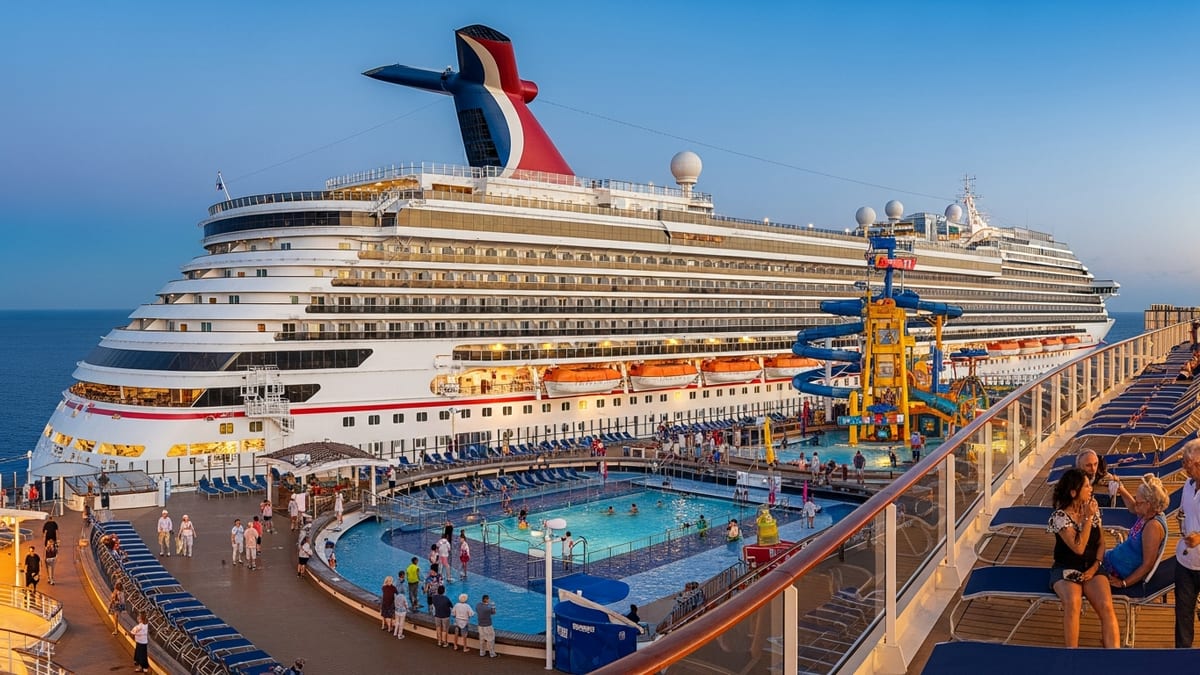
Cruise industry analysts say the push reflects a competitive landscape in which major lines increasingly promote culinary variety as a core part of the onboard experience. By anchoring The Next Course on its newest ships, Carnival is signaling that its next generation of hardware will be defined as much by dining as by waterslides or top-deck attractions.
Fleetwide Menu Refresh and Casual Upgrades
Beyond the newbuilds, The Next Course is designed as a fleetwide overhaul. Publicly available details outline updated main dining room menus, expanded options in casual venues and rotating specials across popular fast-casual outlets, with changes starting to appear on select ships in 2026.
Reports indicate that the main dining rooms are introducing refreshed breakfast, brunch and dinner offerings, with an emphasis on globally inspired dishes and a wider range of vegetarian choices. Casual buffet areas, often branded as Lido Marketplace, are slated to feature a family-style menu concept at set times, giving groups the option to share platters of familiar favorites rather than navigate multiple buffet stations.
Quick-service venues across the fleet, including Mexican and Italian-inspired counters, are expected to see more frequent menu rotations and destination-themed specials tied to the ship’s itinerary. Industry coverage suggests that the strategy is intended to encourage guests to dine in different spots throughout their voyage rather than relying on the same venue each day.
These incremental changes follow earlier tests of new menus on individual ships, where guest feedback on portion size, pacing and variety has informed the final rollout. Observers say the staged approach allows Carnival to make adjustments before standardizing menus across its larger fleet.
Technology and Speed Shape the Dining Experience
The culinary revamp also incorporates operational changes intended to reduce wait times and give travelers more control over when and how they eat. A key component is the expansion of an Express Dining option in main dining rooms, which offers a streamlined, time-bound meal service for guests who want a full restaurant experience without a lengthy evening sitting.
Cruise industry reports from earlier in 2026 describe Express Dining as a preselected service that moves guests more quickly from appetizer to dessert through a simplified series of choices and coordinated table-side timing. The program is designed to coexist with traditional dining and flexible schedules, giving passengers the ability to choose the pace that best fits their plans.
Digital tools also play a growing role. Across the cruise sector, lines are increasingly using mobile apps and QR codes to manage virtual queues, preview menus and handle specialty reservations. Coverage of Carnival’s broader technology initiatives suggests that dining features are being integrated into its existing app ecosystem, allowing guests to secure tables, place certain orders and track opening hours from their phones.
Analysts note that these changes reflect a wider shift in hospitality toward friction-reduced service, particularly in environments where thousands of guests must be accommodated within defined meal windows. For Carnival, the goal appears to be balancing the theater of sit-down dining with the convenience of fast-casual service, without overburdening galley operations.
Private Destinations and Sustainability in Focus
The Next Course is launching alongside parallel updates to Carnival’s food and beverage footprint at private destinations, where new beachfront grills and bars have opened in recent months. At the company’s exclusive Bahamian island experiences, reports describe expanded buffet pavilions, shaded seating and bar concepts serving island-inspired dishes and frozen drinks aimed at day trippers coming off the ships.
These shore-based venues are being positioned as extensions of the onboard dining program, with menus that blend local flavors with the comfort dishes familiar to Carnival guests. Industry coverage points out that private destinations have become key showcases for cruise-line culinary brands, allowing chefs to experiment with open-air cooking, barbecue concepts and grab-and-go snacks tailored to beach days.
Underlying the culinary push is an emphasis on reducing food waste, a focus that has been highlighted across the wider Carnival Corporation portfolio. Recent corporate fact sheets describe data-driven planning systems designed to forecast demand more precisely, along with practices that make fuller use of ingredients across multiple menus.
Observers say that tying menu innovation to waste reduction efforts may help the company respond to both rising guest expectations and regulatory scrutiny around environmental performance. By emphasizing portion control, menu engineering and repurposed ingredients, the cruise operator aims to deliver more variety while limiting what is discarded at the end of each service.
Broader Competitive Context at Sea
The unveiling of The Next Course comes as cruise lines across the industry race to introduce new specialty venues, chef partnerships and food-forward itineraries. Coverage in travel and trade outlets notes that rival brands have enlisted celebrity chefs, launched test kitchens at sea and built itineraries around culinary excursions in port.
Within this context, Carnival’s program marks a notable escalation for a brand historically associated with casual, value-oriented fun. Travel media reports suggest that while the line is unlikely to abandon its approachable image, it is working to ensure its culinary offerings keep pace with evolving guest expectations, especially among repeat cruisers who have sampled competing products.
Analysts following the sector say that how quickly Carnival can implement its new concepts across a large, geographically dispersed fleet will be a key measure of success. Early rollouts on select ships in 2026, followed by the debut of Carnival Festivale and Carnival Tropicale later in the decade, are expected to provide insight into how travelers respond to the expanded dining choices.
For now, the introduction of The Next Course signals that the competition to win guests through their appetites is intensifying at sea, with Carnival positioning its next generation of menus and venues as central elements of the vacation experience rather than background amenities.