


More news on this day
Carnival Cruise Line has appointed its first-ever female staff captain, a milestone that industry observers say reflects both the growing presence of women in senior maritime roles and the company’s wider push to diversify leadership on its bridges.
Get the latest news straight to your inbox!
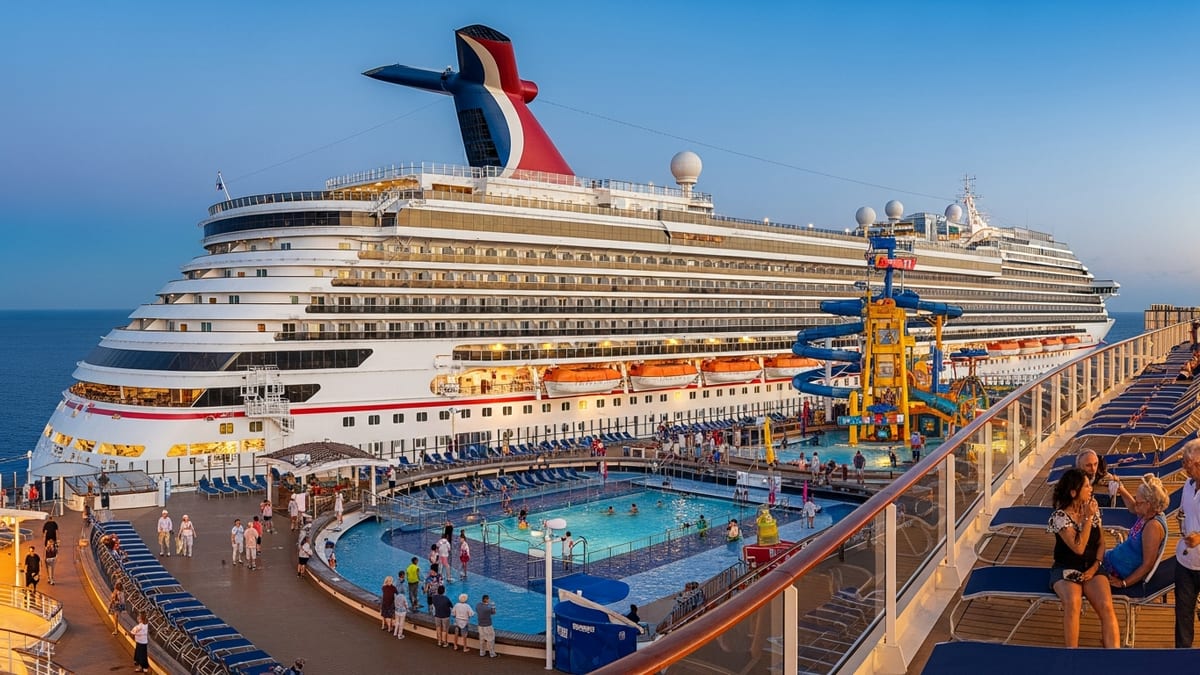
A Historic First for Carnival’s Bridge Team
The staff captain role is one of the most senior positions on any cruise ship, responsible for supporting the master in navigation, safety and daily operations. Publicly available company information and recent trade coverage indicate that this latest appointment marks the first time a woman has held the staff captain title within the Carnival Cruise Line brand.
While Carnival Corporation highlighted its first female captain within the Cunard operating line more than a decade ago, reports centered on Carnival Cruise Line itself have typically focused on female officers in junior and mid-ranking bridge positions rather than in the second-in-command role. The promotion of a woman to staff captain on a Carnival ship therefore represents a notable step forward in the brand’s own leadership pipeline.
The appointment comes as Carnival continues to describe diversity and inclusion as a core element of its workforce strategy. Sustainability and corporate responsibility reports from the group over the past decade have pointed to incremental progress in representation among deck officers, but have also acknowledged that senior maritime posts remain disproportionately male.
Context within Carnival Corporation and the Wider Group
The move builds on a broader pattern across Carnival Corporation’s portfolio of brands. Earlier corporate reporting highlighted Captain Inger Klein Olsen as the first woman to command a vessel within the Cunard line, underscoring the group’s early steps in placing women at the very top of the bridge hierarchy. That milestone was initially framed within the context of the corporation as a whole rather than the specific Carnival Cruise Line brand.
Within Carnival Cruise Line, leadership gains for women have been especially visible on shore. Christine Duffy became the line’s first female president in 2015, taking charge of a fleet that now spans dozens of ships sailing from North America, Europe and Australia. Company biographies emphasize her advocacy for women’s leadership and her role in promoting a diverse workforce across both shipboard and shoreside positions.
The latest staff captain promotion brings that narrative more clearly onto the bridge of a Carnival-branded vessel. Industry analysts note that, while the corporation has celebrated women captains and senior officers in its European and luxury brands, similar appointments in the high-volume, North America–focused Carnival Cruise Line have particular symbolic weight because of the brand’s size and visibility.
Rising Numbers of Women in Senior Maritime Roles
The appointment also reflects a wider shift across the global cruise sector, where women are steadily moving into senior operational roles once regarded as out of reach. Over the past decade, several major lines have publicized their first female captains or first women to command large, modern cruise ships, drawing attention to changing norms on the bridge.
Reports on workforce composition show that women still make up a minority of deck officers overall, but that their share is growing, especially among junior and mid-ranking positions. Some cruise brands have highlighted increases in the proportion of women on the bridge over relatively short periods, crediting targeted recruitment, scholarship programs and mentoring initiatives.
Industry coverage also points to the role of high-profile pioneers in encouraging more women to pursue seafaring careers. Profiles of female captains and staff captains often emphasize the visibility of women in command, suggesting that each new appointment helps normalize the presence of women on the bridge and can influence hiring practices over time.
Operational Significance of the Staff Captain Role
Beyond the symbolic milestone, the staff captain position carries substantial day-to-day responsibility. On a large cruise ship, the staff captain typically serves as second-in-command to the master, overseeing navigation teams, coordinating safety drills, and managing many aspects of deck operations and maintenance.
Maritime training standards and international conventions outline rigorous qualification requirements for officers at this level, including advanced licenses, extensive sea time and specialized safety certifications. Industry observers note that reaching the staff captain rank usually involves years of progressive experience as officer of the watch, second officer and chief officer roles, often across several vessels and itineraries.
The presence of a woman in such a role on a Carnival Cruise Line ship is therefore not only a symbolic milestone but also a reflection of a long professional trajectory through the company’s or wider industry’s officer pipeline. Analysts say this may influence how future recruitment and promotion decisions are perceived by aspiring officers within the fleet.
What the Move Signals for Future Leadership
According to publicly available corporate documents and industry commentary, Carnival Corporation has linked its diversity goals with business performance, arguing that more varied leadership teams can improve decision-making and guest engagement. The elevation of a woman to staff captain within Carnival Cruise Line aligns with that narrative and may foreshadow further appointments at the captain level in the coming years.
Some maritime training programs and professional associations have described a growing interest among women in nautical studies, supported by scholarships and outreach campaigns that highlight seafaring as a viable long-term career. Observers suggest that as more women advance into senior roles such as staff captain, the bridge hierarchy could change more rapidly in the next decade than it has in the past one.
For now, Carnival’s first-ever female staff captain stands as a visible benchmark in that gradual transformation. Industry watchers will be assessing how the company and the wider cruise sector build on this moment, and whether future promotion patterns show a sustained shift in who wears the stripes on the world’s largest passenger ships.