


More news on this day
Port Canaveral has initiated a $95 million expansion and renovation of one of its primary cruise terminals, marking the latest phase in a broader investment program designed to accommodate larger vessels, improve passenger processing and keep pace with central Florida’s rapidly growing cruise market.
Get the latest news straight to your inbox!
Major Investment Targets Capacity and Efficiency
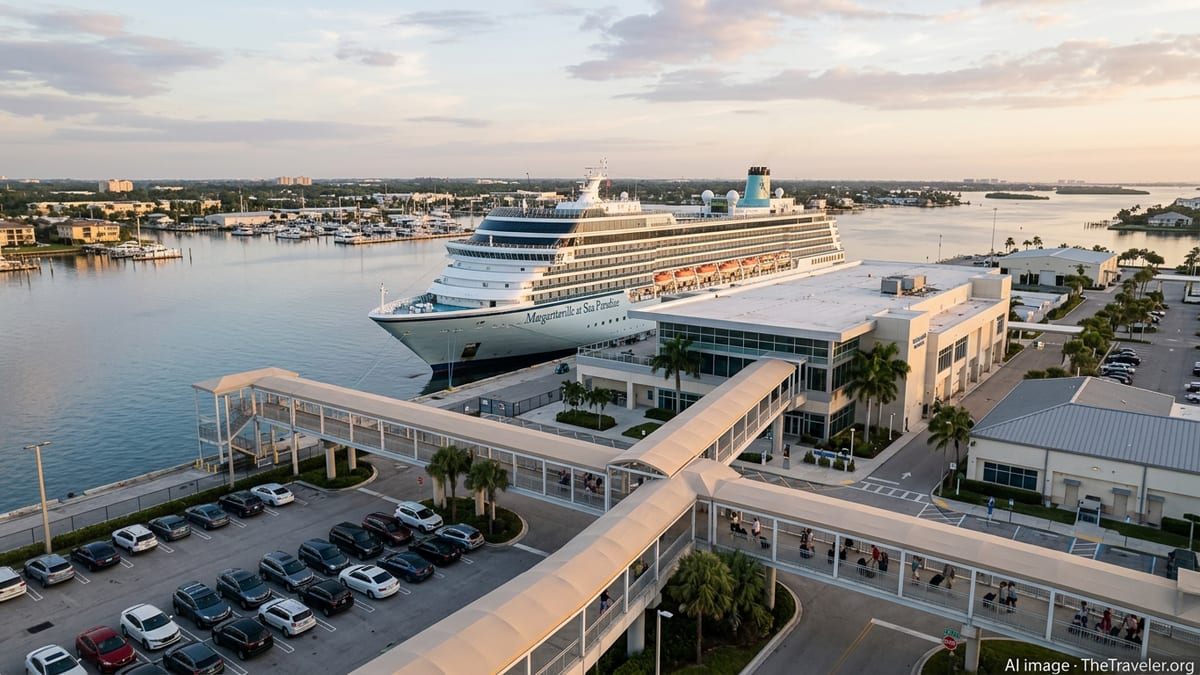
Publicly available planning documents and budget reports indicate that Port Canaveral has earmarked approximately $95 million for a comprehensive upgrade of an existing cruise terminal complex, including expanded processing space, improved traffic circulation and modernized security and screening areas. The project is structured to increase throughput during peak embarkation days, when multiple mega-ships can drive tens of thousands of passengers through the port.
The terminal work forms part of a multi-year capital program that has already delivered newbuild facilities such as Cruise Terminal 3 and ongoing improvements to Cruise Terminals 5, 8 and 10. Port development plans show that maintaining Florida’s leading position in the global cruise sector depends on continued investment in berths, terminals and supporting infrastructure, particularly as cruise lines homeport larger and more technologically advanced ships in the state.
Financial filings for the Canaveral Port Authority list construction in progress and capital budgets that align with the new cruise terminal expansion, describing upgrades to passenger bridges, parking and related systems. The $95 million figure for the new phase of work slots into a wider portfolio of projects spanning safety, cargo, digital systems and waterside improvements.
According to mission-planning documents for Florida’s seaports, Port Canaveral is already one of the world’s busiest cruise homeports by passenger volume. The terminal expansion is described as a necessary response to growth projections that see more year-round deployments by major cruise brands, including additional big-ship capacity scheduled to arrive over the next several years.
Scope of Work at the Cruise Terminal Complex
Port development brochures and project overviews describe the terminal expansion as encompassing both landside and building improvements. Inside the terminal, the plans call for reconfigured check-in halls, more queuing space, upgraded baggage handling areas and enhancements to Customs and Border Protection processing zones. This is intended to ease bottlenecks at the beginning and end of cruises, particularly when multiple ships turn around on the same day.
Outside, the project is expected to add or re-stripe parking capacity and create more efficient curbside layouts for private vehicles, ride-share services and motorcoaches. The goal is to separate traffic flows, reduce congestion at key intersections and shorten the time it takes for passengers to reach the terminal doors from nearby roadways and parking structures.
Technical solicitations for related work at Cruise Terminal 5 highlight the port’s preferred approach of using construction management at-risk contracts, which allow design and construction phases to overlap. This method is seen in publicly posted requests for proposals and is likely to be replicated or adapted for the $95 million terminal project to keep construction on schedule while minimizing disruption to ongoing cruise operations.
Port planning material indicates that improvements will also extend to utility systems, life-safety infrastructure and digital wayfinding. New signage, passenger information displays and upgraded communications networks are expected to support higher passenger volumes while giving cruise lines more flexibility in how they stage boarding and disembarkation.
Timeline, Phasing and Operational Impacts
Reports on the port’s cruise development strategy suggest that the expansion and renovation will be phased to allow the terminal to remain operational throughout most of the construction period. Work is expected to intensify during slower shoulder seasons, with particularly disruptive elements scheduled around ship movements where possible.
While precise dates may vary as contracts are awarded and final designs are confirmed, planning documents place the current round of cruise terminal projects within the port’s near-term capital window through the latter half of the decade. A recent media kit produced for the cruise industry notes that major guest-experience upgrades at Cruise Terminal 10 are set to begin in the coming months, illustrating how multiple terminal projects are advancing in parallel.
Travelers using Port Canaveral during the construction window may encounter re-routed traffic patterns, modified drop-off points and temporary interior layouts inside the terminal. Informal accounts shared by passengers online already describe active construction zones around certain berths, with detours and shifting curbside arrangements as crews prepare for the next phase of work.
Despite these impacts, the port’s published material emphasizes maintaining smooth day-of-cruise operations as a priority. Phasing plans seek to keep critical functions such as security screening, baggage intake and boarding bridges in service, using temporary facilities or alternate terminals when necessary to handle peak days.
Competition and Regional Cruise Growth
The $95 million expansion comes amid intensified competition among Florida’s major cruise ports, all of which are investing heavily to attract the newest tonnage from leading brands. Reports on infrastructure spending at other state ports highlight terminal projects exceeding $100 million, often customized around a single flagship vessel or cruise line partnership.
In Port Canaveral’s case, growth is being driven by a mix of deployments from large contemporary, premium and family-focused cruise operators, many of which rely on the port for three-, four- and seven-night itineraries to the Bahamas and Caribbean. Recent service patterns and ship assignments suggest that newer, larger vessels are being rotated into the Central Florida market, putting additional pressure on existing facilities to handle increased passenger counts.
Florida’s statewide seaport mission plan notes that sustaining the region’s cruise leadership requires not just new terminals but continuous upgrades to existing ones, particularly at high-volume homeports such as Port Canaveral. The $95 million project is positioned within that broader strategy as both an operational necessity and a competitive response to investments at rival ports.
Industry coverage also links terminal enhancements with environmental and safety objectives, including more efficient energy use, better traffic management and improved emergency response capabilities. Modern cruise ships carry thousands of passengers and crew, and ports are under pressure to ensure that landside infrastructure keeps pace with advances at sea.
What the Upgrade Means for Cruise Travelers
For passengers, the most visible outcomes of the $95 million expansion are expected to include larger, brighter terminal spaces, shorter queues and more intuitive wayfinding from curb to gangway. Renderings and planning notes for Port Canaveral’s recent terminal projects emphasize natural light, spacious waiting areas and modern furnishings designed to set a positive tone before guests even reach the ship.
Improved roadway access and parking layouts are likely to reduce stress at the start and end of a cruise, particularly for families traveling with luggage or groups arriving on motorcoaches from the Orlando area. The port’s continued investment in parking garages and multi-lane drop-off zones suggests an emphasis on smoother traffic flow and quicker transitions between land and sea travel.
Behind the scenes, upgraded baggage systems and security screening technology are intended to accelerate processing while maintaining stringent safety standards. For frequent cruisers, this may translate into more predictable boarding times and fewer delays caused by congestion inside the terminal building.
As Port Canaveral advances its $95 million expansion and renovation program, the terminal project reinforces the port’s role as a primary gateway to Caribbean and Bahamian cruises for the Central Florida tourism market, aligning physical infrastructure with the next generation of large cruise ships scheduled to call the region home.