


More news on this day
Cathay Life Insurance has introduced a new disruption benefit that offers airport lounge access to eligible policyholders when their flights are delayed by 60 minutes or more, reflecting how insurers and airlines are recalibrating support for travelers as flight disruptions persist across major hubs.
Get the latest news straight to your inbox!
New Lounge Access Threshold Set at 60 Minutes
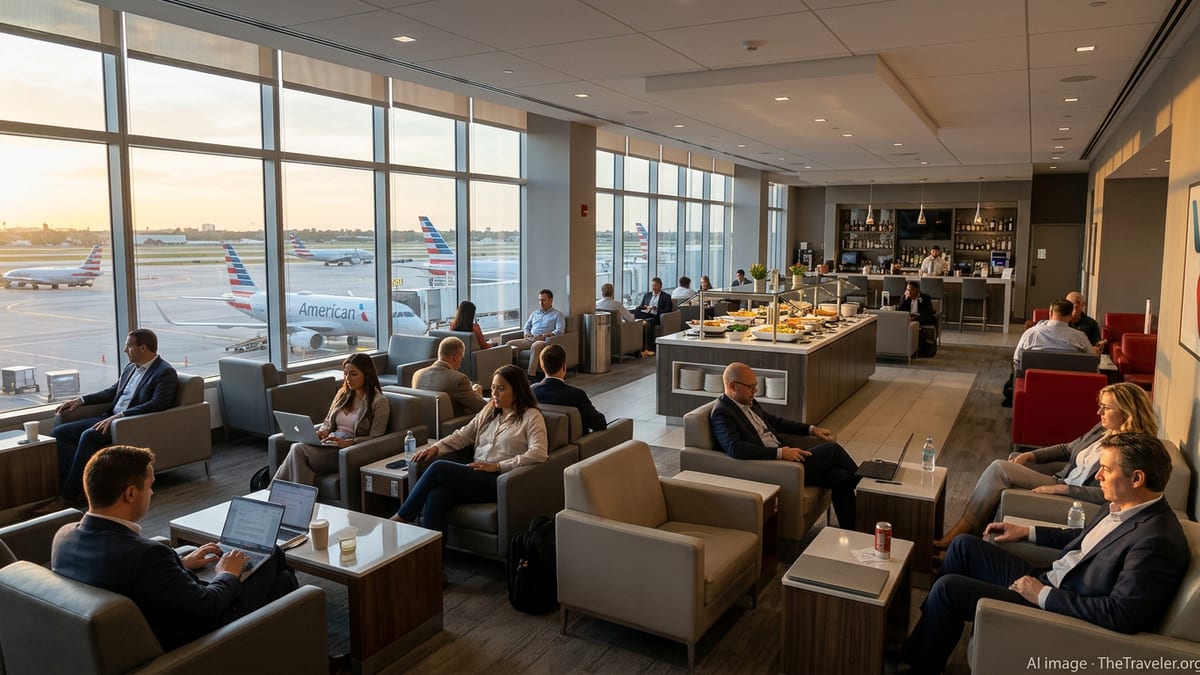
According to information released through Cathay Life’s product communications and local industry coverage, the insurer has added complimentary lounge access as a form of practical assistance once a covered flight delay reaches 60 minutes. The benefit is structured as a travel inconvenience feature, designed to provide a quieter space with seating, refreshments and connectivity while travelers wait for a new departure time.
The 60-minute trigger marks a relatively low threshold compared with many traditional travel insurance policies, which often start financial compensation or services after delays of several hours. By tying the lounge access benefit to a one-hour delay, Cathay Life is positioning the product as a convenience-focused perk rather than purely a post-disruption reimbursement.
Early descriptions of the offering indicate that access will be provided via designated partner lounges or voucher-style passes at select airports. Eligibility is expected to depend on holding an appropriate Cathay Life travel or bundled policy and on the delay meeting the insurer’s definitions of a covered event.
The move comes at a time when travelers in Asia and beyond are increasingly weighing not just reimbursement levels, but also what kind of real-time support they receive when itineraries are disrupted, from refreshments and workspace to reliable internet connections.
How the Benefit Fits into Existing Delay Protection
Publicly available information on Cathay Life’s broader travel inconvenience coverage shows that the company already offers monetary compensation when flight delays pass specified hour-based thresholds, often at four hours or longer. The new lounge access component appears to sit alongside, rather than replace, those traditional cash-style benefits.
Industry materials suggest that delay duration is calculated from the originally scheduled departure time to the actual departure of the original or replacement flight, mirroring the methodology used for cash benefits in many Taiwanese travel policies. Documentation typically required to confirm a delay includes boarding passes, flight certificates and evidence issued by the airline showing the length of the disruption.
By layering lounge access on top of existing coverage, Cathay Life is effectively splitting its response to delays into two phases. The lounge access addresses the immediate comfort of travelers once a delay passes the 60-minute mark, while the longer-delay compensation continues to focus on offsetting additional costs such as meals, transportation and, in more serious disruptions, overnight stays.
Market observers note that such a structure may appeal particularly to frequent leisure travelers and families, who are sensitive to the out-of-pocket costs and inconvenience created even by comparatively short delays.
Rising Demand for Comfort During Disruptions
Travel data from airports in East Asia and across the region in recent seasons has highlighted an environment of recurring delays and schedule changes linked to weather events, air traffic congestion and operational constraints. Online forums and consumer reports indicate that missed connections and multi-hour waits at hub airports remain a common feature of long-haul itineraries.
Against this backdrop, access to quiet seating, power outlets, food and showers has become a significant differentiator for travelers. Membership programs and co-branded credit cards tied to airlines such as Cathay Pacific already emphasize lounge access as a core perk for premium customers, reflecting the attractiveness of these facilities during disruptions.
Insurance-linked lounge access benefits, like the one Cathay Life is rolling out, extend that model to economy-class and non-elite travelers who may not otherwise qualify for entry based on ticket class or frequent-flyer status. For those passengers, the new benefit can effectively upgrade the ground experience during an unforeseen delay without requiring a change in cabin class.
Analysts following the travel insurance sector point out that this type of practical, service-based response is increasingly used by insurers aiming to differentiate themselves in a crowded marketplace, particularly in markets such as Taiwan where outbound leisure travel has recovered strongly.
Implications for Travelers and the Wider Market
For individual travelers, Cathay Life’s 60-minute lounge access threshold reinforces the importance of closely reviewing the non-financial benefits built into insurance products. While headline benefits often focus on medical coverage and trip cancellation, disruption services such as lounge entry can have a tangible impact on how a delay is experienced.
Travelers considering the policy will need to pay attention to several details, including which airports and lounges are covered, whether advance registration is required, how access is issued at the point of delay and whether there are caps on the number of uses per trip or per policy period. Many similar programs also specify that delays caused by certain events, such as strikes or extreme weather, may be treated differently from operational issues.
From a market perspective, Cathay Life’s move adds to a broader trend in Asia of insurers partnering with airport service providers and digital platforms to deliver lounge access, fast-track security and other ancillary services as part of travel coverage. Over time, such arrangements may pressure competitors to lower delay thresholds or expand comfort-related benefits to keep pace.
As airlines, airports and insurers all look for ways to manage the customer experience during disruptions, the introduction of lounge access after 60-minute delays positions Cathay Life as an early adopter of more traveler-centric solutions, tying financial protection together with on-the-ground comfort when schedules go off track.